What common problems can cause native plant landscapes to fail?
Plant mismatch is the leading issue when plant needs do not suit the bed. Invasive weeds can crowd new growth, while poor drainage can stress roots and overwatering can weaken plants. A site review checks soil, water flow, sunlight, and existing growth before we set the planting scope. Regular maintenance remains part of keeping the bed healthy.
How does the first consultation for native plant landscaping work?
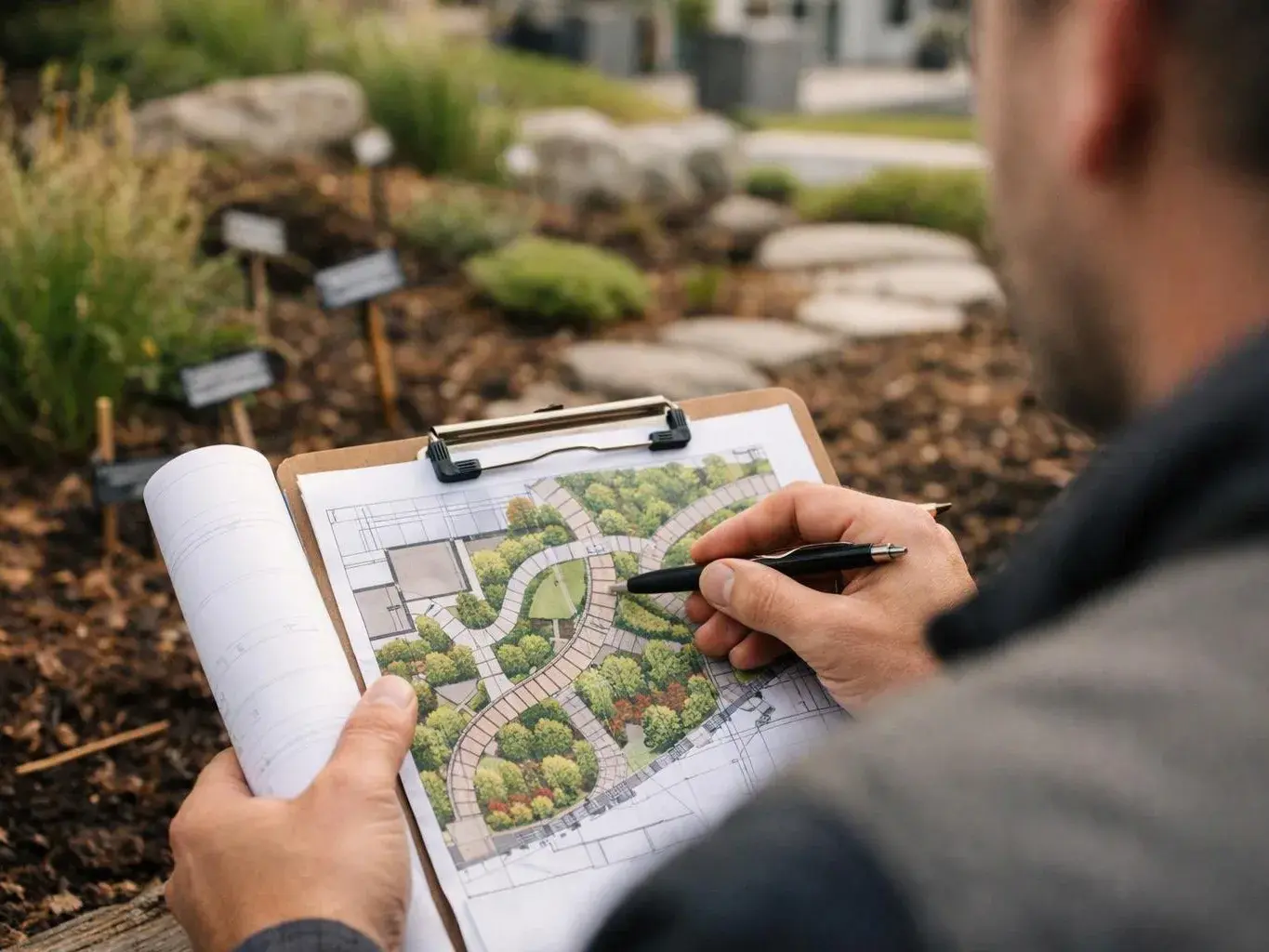
The first consultation starts with your goals and a review of the property areas involved. We discuss planting beds, soil, slopes, drainage, sunlight, access, and nearby hardscape. Customers can also point out places where weeds, standing water, or weak growth have caused concern. We then explain the next design and quote steps.
Which part of a property decides the planting scope?
The planting bed and its site conditions usually decide the scope. Soil, slope, drainage, sunlight, access, and nearby structures affect the work. A bed beside a retaining wall may need a different plan from an open lawn edge. We connect those findings to the home's layout before recommending construction or planting work.
Why does overwatering hurt native plant beds?
Overwatering reduces the air available around roots and can weaken plants in poorly drained soil. Water needs should match the plant group, soil, slope, and season of care. We review drainage and watering patterns when a bed shows stress. Customers should also check whether irrigation reaches every plant at the same rate.
What does a native planting quote include?
A native planting quote reflects the requested design and construction scope. Soil work, bed preparation, drainage changes, plant installation, access, and related hardscape can all affect the quote. Customers should describe the full area they want addressed, including paths, walls, lighting, or water features. We can then explain which work belongs in the requested project.
How can I tell whether this service fits my property?
Native plant landscaping fits properties that need planned planting areas connected to the home's outdoor use. The service works well for new beds, planting changes, and wider landscape construction. It is not a substitute for routine mowing or simple weed removal. We review the property goals and conditions before confirming the appropriate scope.
What is the difference between a landscape architect and a landscape designer?
A landscape architect has formal training in planning outdoor spaces, while a landscape designer may focus more narrowly on planting and layout. Our work combines landscape architecture education with hands-on construction experience. Customers who need planting coordinated with walls, patios, paths, water features, or lighting can discuss the full property during the design process.