Skip to content

Native Plant Landscaping in Bothell

Safe plant spacing supports flower succession in Bothell, so pollinators find food across the growing season. We design plantings that fit your home and outdoor goals.

5 · 36 Reviews29 Years in BusinessUpfront, Transparent PricingServing 123 Communities

Quick Summary: Native plant landscaping in Bothell, Washington

Native plant landscaping in Bothell covers planting design, pollinator plants, bird habitat, and host plants for homeowners across King County. The business combines landscape architecture education with hands-on construction experience and serves Bellevue, North Bend, Issaquah, Sammamish, Mercer Island, Kirkland, Snoqualmie, and other King County communities.

  • What we do: LandscaperBellevuewa.com provides Native Plant Landscaping for Bothell, Washington properties through planting design, site assessment, and installation planning.
  • What is included: Pollinator planting, flower succession, bird habitat, host plants, soil review, drainage review, and design-to-build planning.
  • What you get: The finished planting plan gives each plant a clear role in supporting wildlife and fitting the property.

Why do native plants stop attracting pollinators after the first bloom?

Flower succession supports pollinators by spreading blooms across more of the season. A planting area may attract insects during one bloom and offer little food afterward. We review bloom timing, plant placement, and available host plants so the garden supports pollinators beyond one short display. Regular maintenance also helps protect the planting plan as it matures.
Our Track Record

Years in Business
29
Average Rating
5
Customer Reviews
36

Native plant landscaping for Bothell wildlife gardens

Native plant landscaping fits homeowners who want more than a single row of flowering plants. The work connects pollinator plants with host plants, bird habitat, paths, patios, and the home's existing layout.

The main decision is how much of the property should support wildlife while still meeting your needs for access, views, lawn, and maintenance. We assess soil, slopes, drainage, materials, and the relationship between each planting area and the home before shaping the design.

This page focuses on wildlife value within a complete landscape plan. It isn't the right job when you only need routine mowing, a single replacement plant, or basic lawn care.

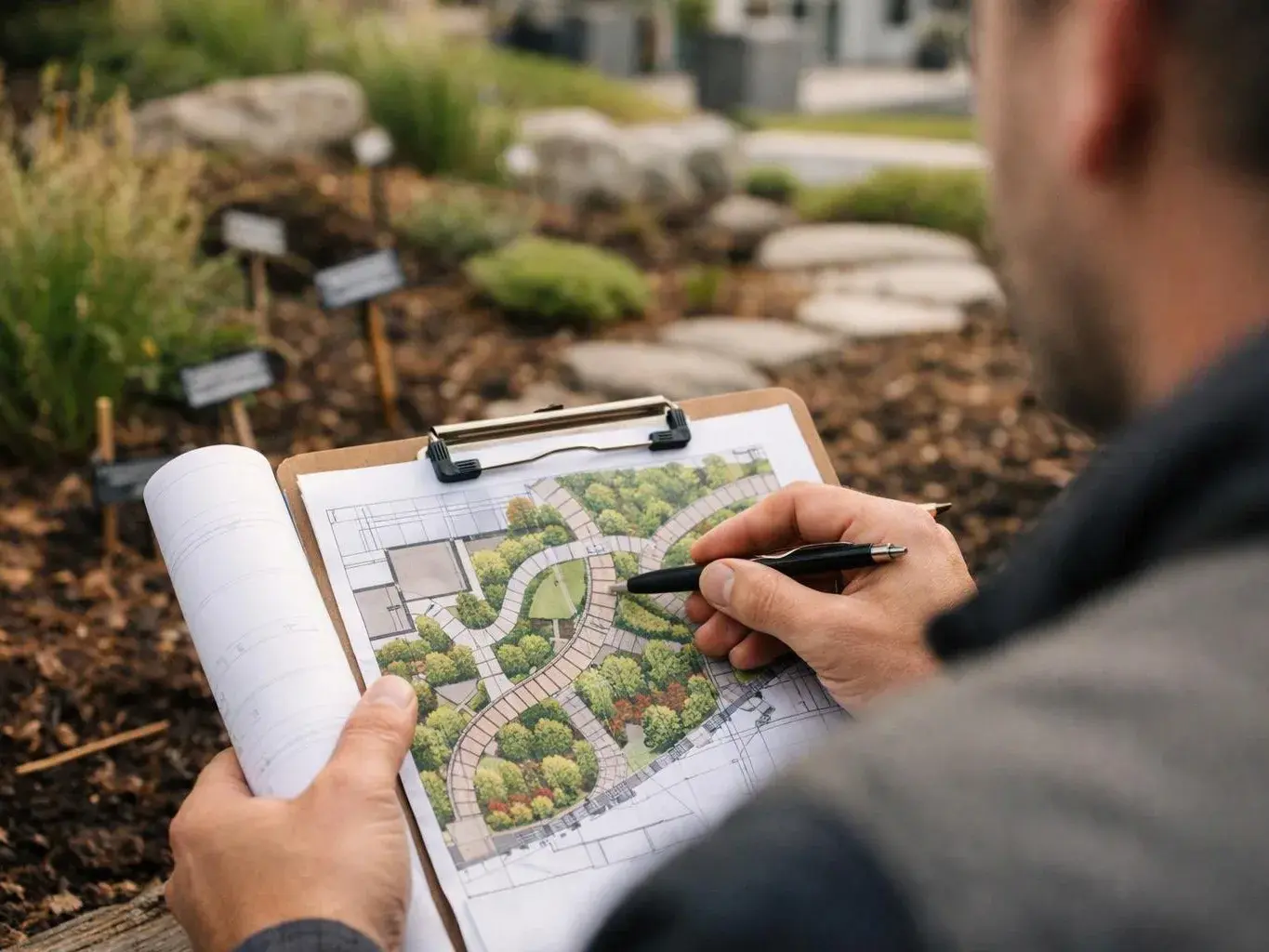
  • Review the existing soil, slopes, drainage, and planting areas.
  • Map bloom periods so pollinator food does not rely on one plant group.
  • Place host plants where they support wildlife without blocking paths or views.
  • Coordinate planting beds with patios, walkways, retaining walls, and lighting.
  • Set maintenance expectations for new and established planting areas.
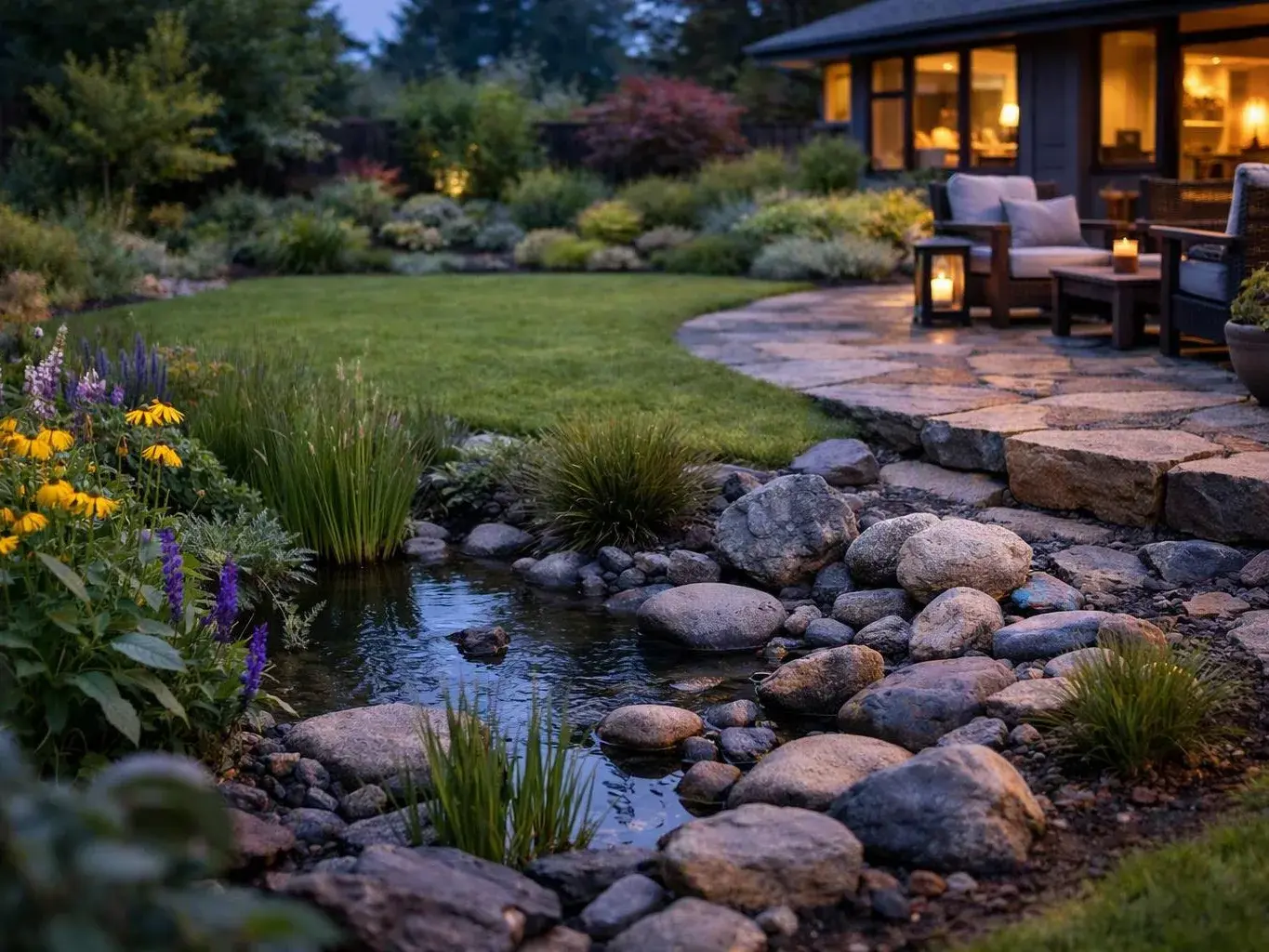
A landscaped backyard garden features a stone patio, glowing lanterns, a small pond, and lush flowers at dusk

Service Overview

Native plant landscaping is a planting service that uses regionally suitable plants to shape gardens for wildlife and home use.

  • Unlike a basic bed installation, the work considers bloom timing, host plants, bird cover, soil, drainage, and the garden's connection to the home.
  • We provide native plant landscaping in Bothell and throughout King County communities we serve.

What native planting plans include for your garden

LandscaperBellevuewa.com provides comprehensive Native Plant Landscaping in Bothell. Here's what you get:

  • The design includes plant selections that support pollinators, birds, and other local wildlife.
  • Planting areas are arranged around the home's paths, patios, lawn, and other outdoor features.
  • The plan considers soil, slopes, drainage, sunlight, and the space available for mature growth.
  • Host plants are placed where they add wildlife value without creating access problems.
  • Installation planning connects the planting work with related landscape construction when the project needs it.
  • Maintenance guidance explains how regular care supports the planting design over time.

What wildlife-focused planting changes for homeowners

A wider bloom period gives pollinators more chances to find food across the season.

Host plants support the life stages of insects that need specific plants.

Layered planting gives birds places to feed, rest, and find cover.

A planned bed can connect wildlife value with paths, patios, and views from the home.

Thoughtful plant placement helps reduce conflicts with access and routine maintenance.

The design gives you a clearer basis for choosing what to plant and what to preserve.

How to judge the right planting approach

Match wildlife goals to daily use

The planting plan should support pollinators and birds without blocking the path to a patio or making lawn access difficult. This service is the wrong fit when you only need one replacement shrub.

Connect plants with site conditions

Soil, slope, drainage, and available sunlight shape where each plant belongs. A plant list without site review can create upkeep problems later.

Plan for care after installation

New beds need thoughtful maintenance as plants establish. We explain the care that helps the design stay useful and attractive.

Process

Steps for planning a wildlife-supporting garden

1

Review the property

We assess soil, slopes, drainage, sunlight, existing plants, and the relationship between each planting area and the home.

2

Map plant roles

We assign roles for pollinator plants, host plants, bird cover, and flower timing within the available garden space.

3

Shape the planting layout

We place planting beds around paths, patios, lawn, views, and other landscape features that affect daily use.

4

Explain installation needs

We outline the planting work, related construction needs, and care points that support the plan after installation.

5

Guide project completion

Our design-to-build process carries the agreed landscape work through completion and maintenance guidance.

Planting roles for a wildlife-focused garden

Each planting role supports a different part of the garden's wildlife plan.

Planting rolePrimary purposeDesign consideration
Pollinator plantsProvide flowers for insectsPlan bloom timing and bed placement
Host plantsSupport insect life stagesFit plant care and daily access
Bird habitatProvide cover and resting spaceProtect views and keep paths usable

Our Standard

  • Collaborative Process
  • Site-Specific Planning
  • Documented Communication
  • Ecological Maintenance Planning

Customer Reviews for Native Plant Landscaping in Bothell

5(36 Customer Reviews)View our Google Business Profile
Amanda Stewart
Amanda Stewart
Local Guide3 years ago
Verified on Google
Adam and his team did a wonderful job on our backyard project- including adding a large paver area, building a pre-fab patio structure, a small retaining wall and various tree, shrub and flower plantings. Adam was incredibly helpful in giving ideas and vision to the project and addressing various changes along the way. We are very pleased with the results and would recommend Adam to others.
Lorraine Reigel
Lorraine Reigel
2 years ago
Verified on Google
If you are looking for a landscape designer with formal credentials and extensive practical experience, Adam is your guy. We couldn't be more pleased with his overall vision and individual plant and design recommendations for our backyard transformation. Thanks to Adam and his talented and hard working crew, our project was completed ahead of schedule, within budget, and to our utmost satisfaction.
Lisa K.
Lisa K.
4 months ago
Verified on Google
We recently had Adam help us with two big yard projects. For our primary home we had a goal of making our property lower maintenance so Adam designed a beautiful plan to bring in character with large rocks and appropriate ground cover and plants to replace all of the grass that we took out in the front yard and he and his team replaced our backyard grass with beautiful artificial turf that looks like perfectly cut grass. We are thrilled with the results and can’t say enough about how great Adam was to work with. He was very organized, had great communication and check ins and did exactly what he said he would do, and his team of workers were so respectful of property and easy to work with. After such a great experience we had him also help re design and improve our Suncadia yard to make it fit in more with the mountain landscape. All Projects were finished ahead of deadlines for some key entertaining events we had planned!

Questions about wildlife-focused native planting

How does flower succession support pollinators and local wildlife?

Flower succession supports pollinators by spreading bloom periods across the planting area. We review plant timing, host plants, and bird cover so the garden offers more than one short burst of flowers. The plan also considers paths, views, and maintenance. Regular care helps protect those roles as plants establish and mature.

What does the first site visit check before planting begins?

The first site visit checks soil, slopes, drainage, sunlight, existing plants, and access. We also look at how planting areas connect with the home, lawn, paths, and patios. Those findings guide plant placement and the design scope. A quote follows the discussion of your goals and the work the property needs.

Which plants create useful bird habitat?

Bird habitat comes from layered planting that offers food, cover, and resting places. We consider plant structure, mature size, views, paths, and maintenance before placing those layers. The right mix depends on the property and the role each bed must play. A wildlife plan can include bird habitat without making every area dense.

When should I request a planting assessment in Bothell?

A planting assessment helps when a bed has weak bloom coverage, poor plant placement, or no clear wildlife role. We inspect the existing conditions and discuss what you want the space to do. The assessment can cover one bed or connect the planting work with a larger landscape design and construction project.

Why do host plants matter in a wildlife garden?

Host plants support insect life stages that flowering plants alone cannot provide. We place them where they fit the garden's access, views, soil, and maintenance needs. The plan can balance host plants with pollinator flowers and bird cover. That balance matters when wildlife value must work alongside everyday use of the property.

How does the quote change for a wildlife-focused planting job?

The quote changes with the planting area, site conditions, design detail, access, plant scope, and related construction. A larger wildlife plan may also involve paths, patios, drainage work, or other landscape features. We discuss those parts before setting the scope. Requesting an assessment gives us the information needed to prepare a project quote.
Contact

Request a Native Plant Landscaping Quote in Bothell

Tell us which planting areas you want to improve and what wildlife you hope to support. We'll discuss your property, define the assessment scope, and prepare the next step toward a quote.

ZIP Codes We Serve in Bothell, Washington

9801198041
(425) 587-8011