Which conditions should guide garden plant selection?
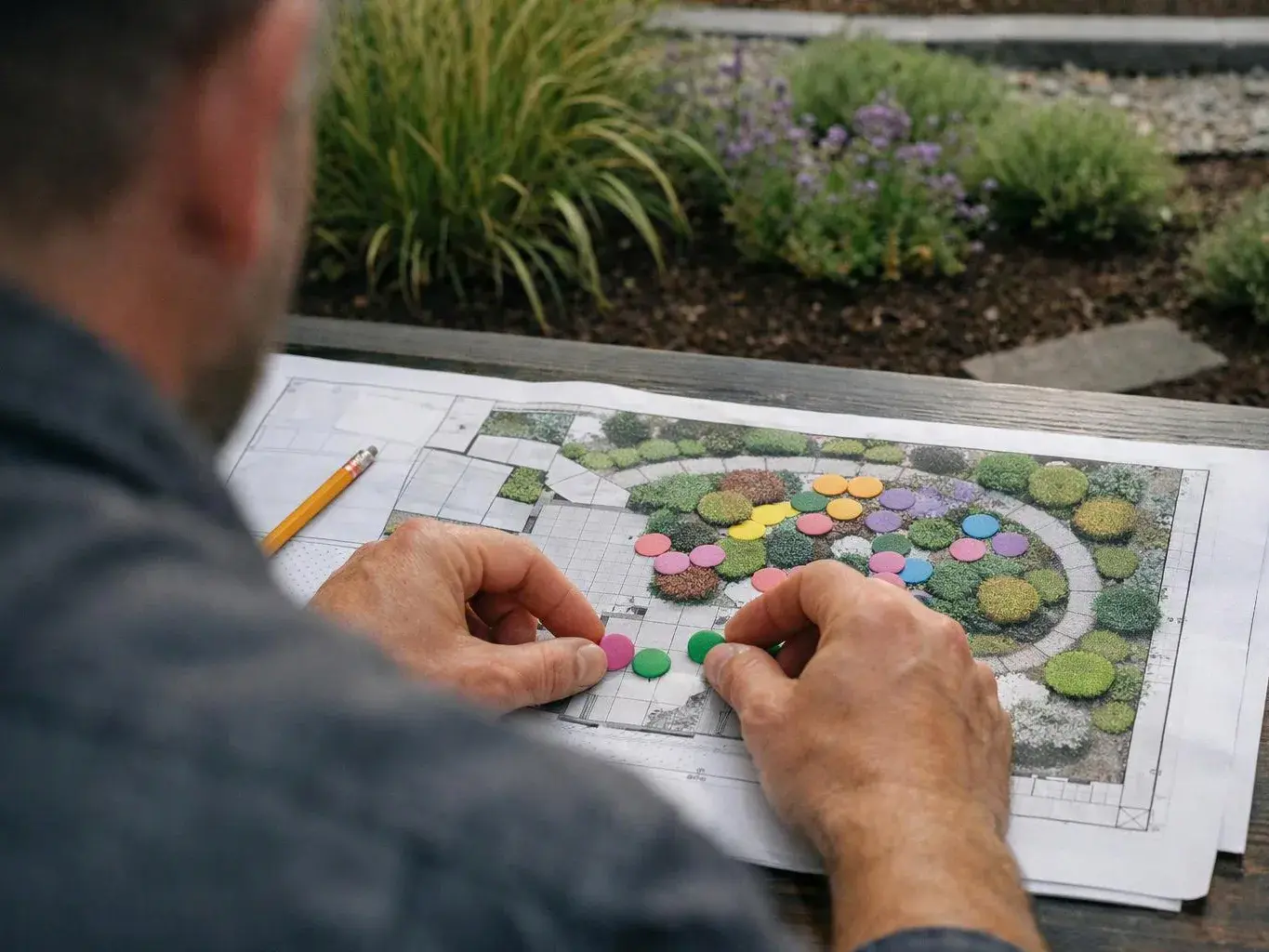
Water access, light levels, soil type, wind exposure, and mature height should guide plant selection. These factors affect plant health, spacing, irrigation needs, and maintenance. We review each planting area before setting the layout. Mature size also matters because a small plant can later block a path, window, wall, or view.
What happens during the first garden design visit?
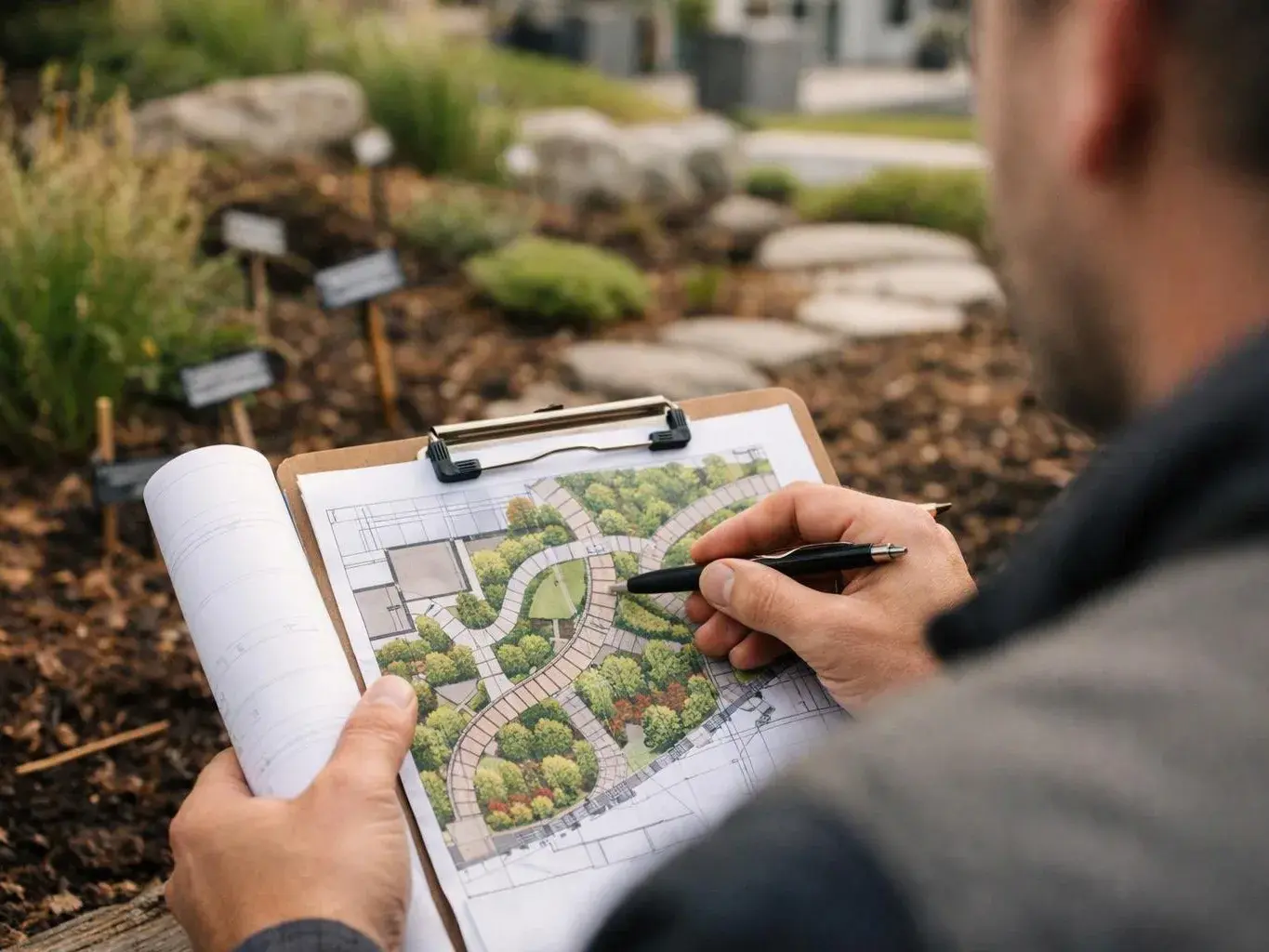
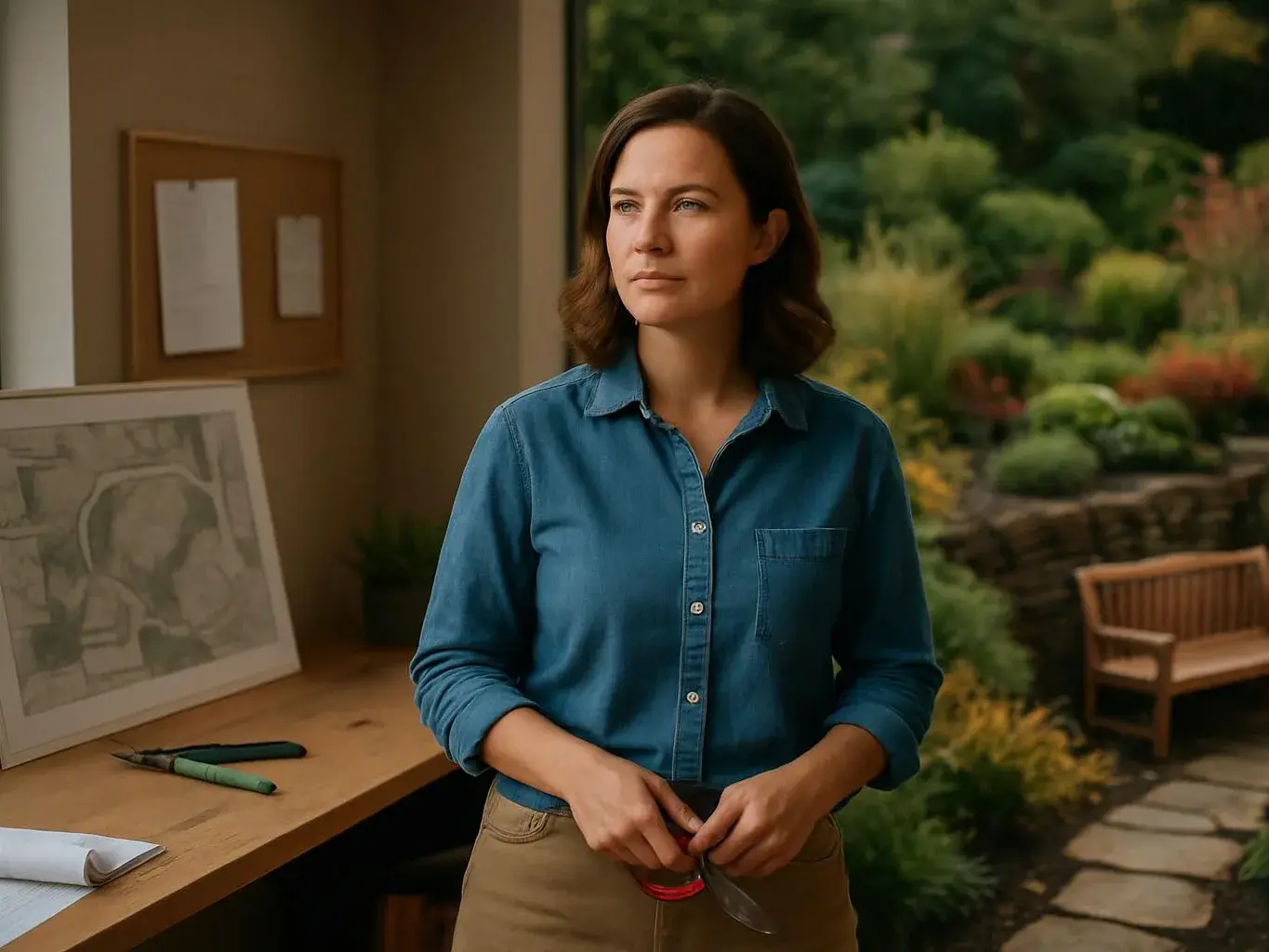
The first visit defines your goals and the parts of the yard that belong in the plan. We discuss planting beds, lawn, paths, patios, walls, lighting, and water features as needed. Site conditions then shape the next step. Bring any sketches, photos, or ideas that show how you want to use the outdoor space.
How does water access change the design scope?
Water access determines whether the plan needs irrigation changes, different plant choices, or both. Areas with limited access may need plants that suit the available care routine. Existing irrigation also needs review near new beds and lawn. The assessment helps separate a planting adjustment from a larger irrigation or construction need.
When is a planting plan not the right service?
Routine mowing, pruning, or seasonal care needs maintenance rather than a new garden plan. Garden design fits a property that needs plant selection, bed layout, or coordination with larger outdoor work. We can discuss the scope when the main concern involves patios, retaining walls, lighting, lawn installation, or water features.
Why does mature height matter near paths and windows?
Mature height protects clear paths, window access, sight lines, and maintenance space. A plant that fits today can crowd those areas as it grows. We use the expected size of each selection when placing it in the plan. This also helps keep shrubs and trees from competing with walls, patios, or lighting.
How does the design connect with landscape construction?
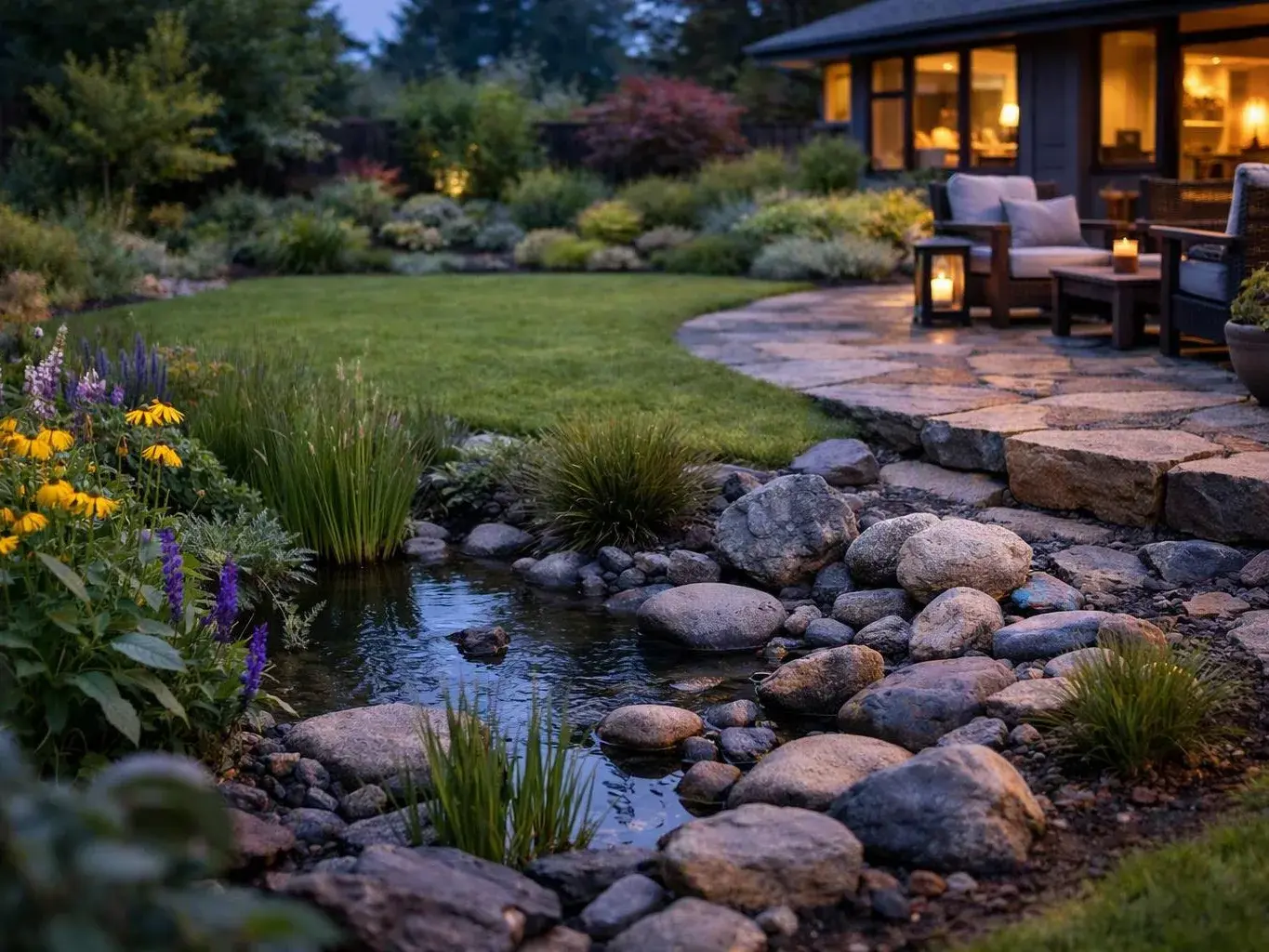
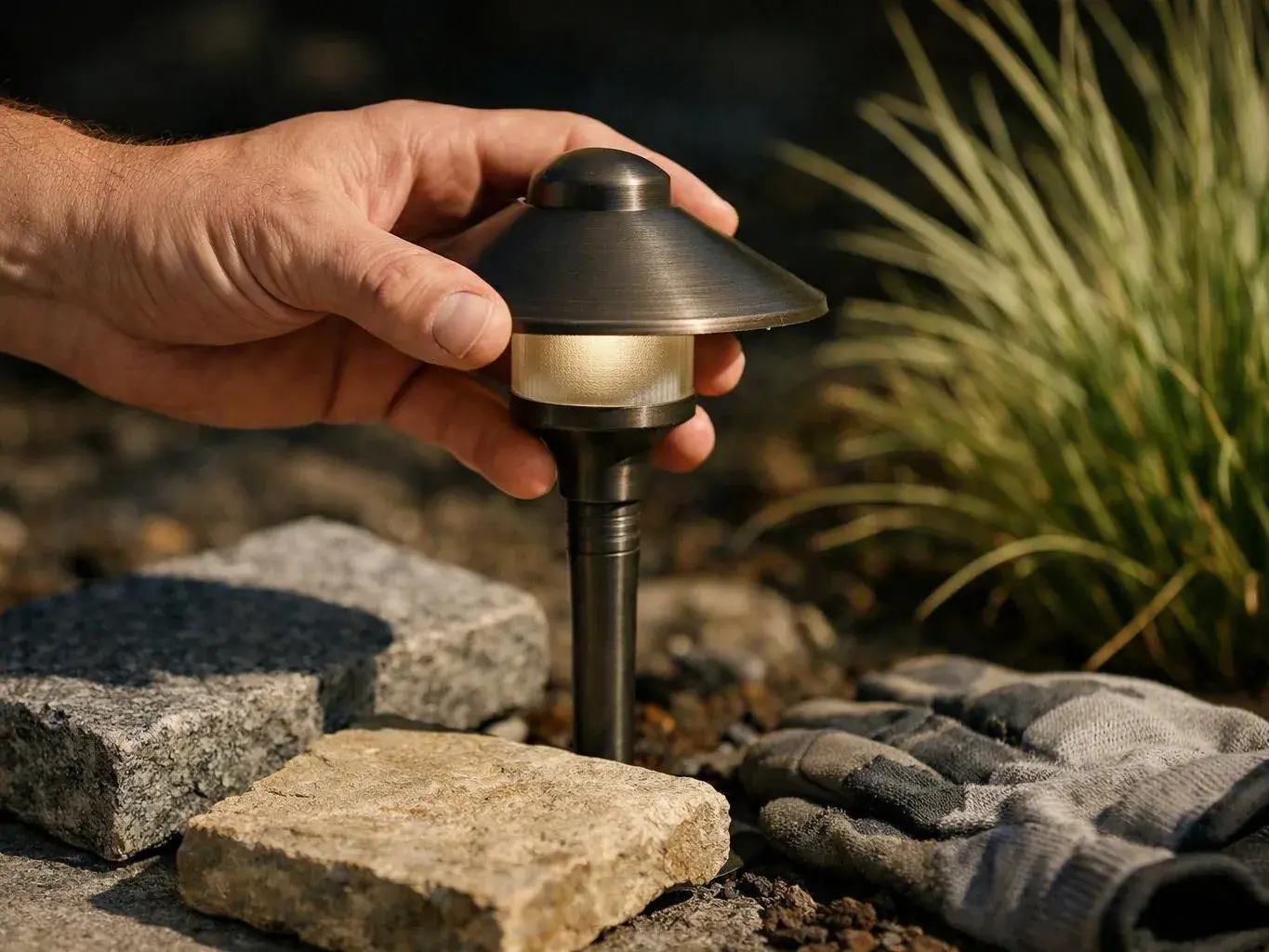
The design connects planting choices with the hardscape and installation work that the property needs. We can coordinate plants with patios, walkways, retaining walls, lawn areas, lighting, and water features. The design-to-build process keeps those elements in one working plan. Regular maintenance still matters after installation, especially as plants reach mature size.
What changes the quote for a garden planning project?
The quote changes with site size, planting complexity, requested features, and the amount of construction included. Soil review, lawn installation, patios, walls, lighting, and water features can each affect the work scope. We use the project discussion and property assessment to prepare upfront pricing. The quote reflects the requested plan and related installations.