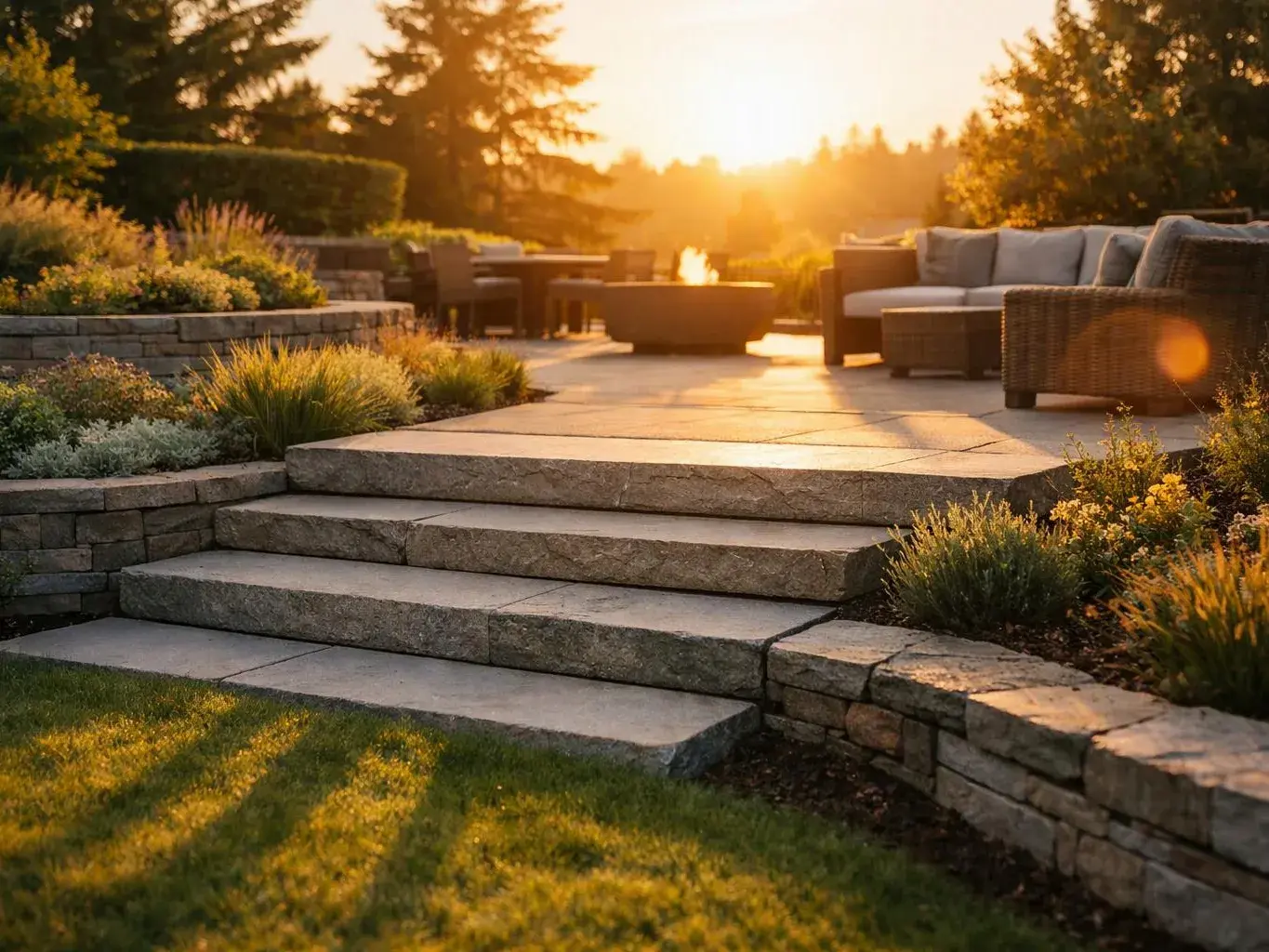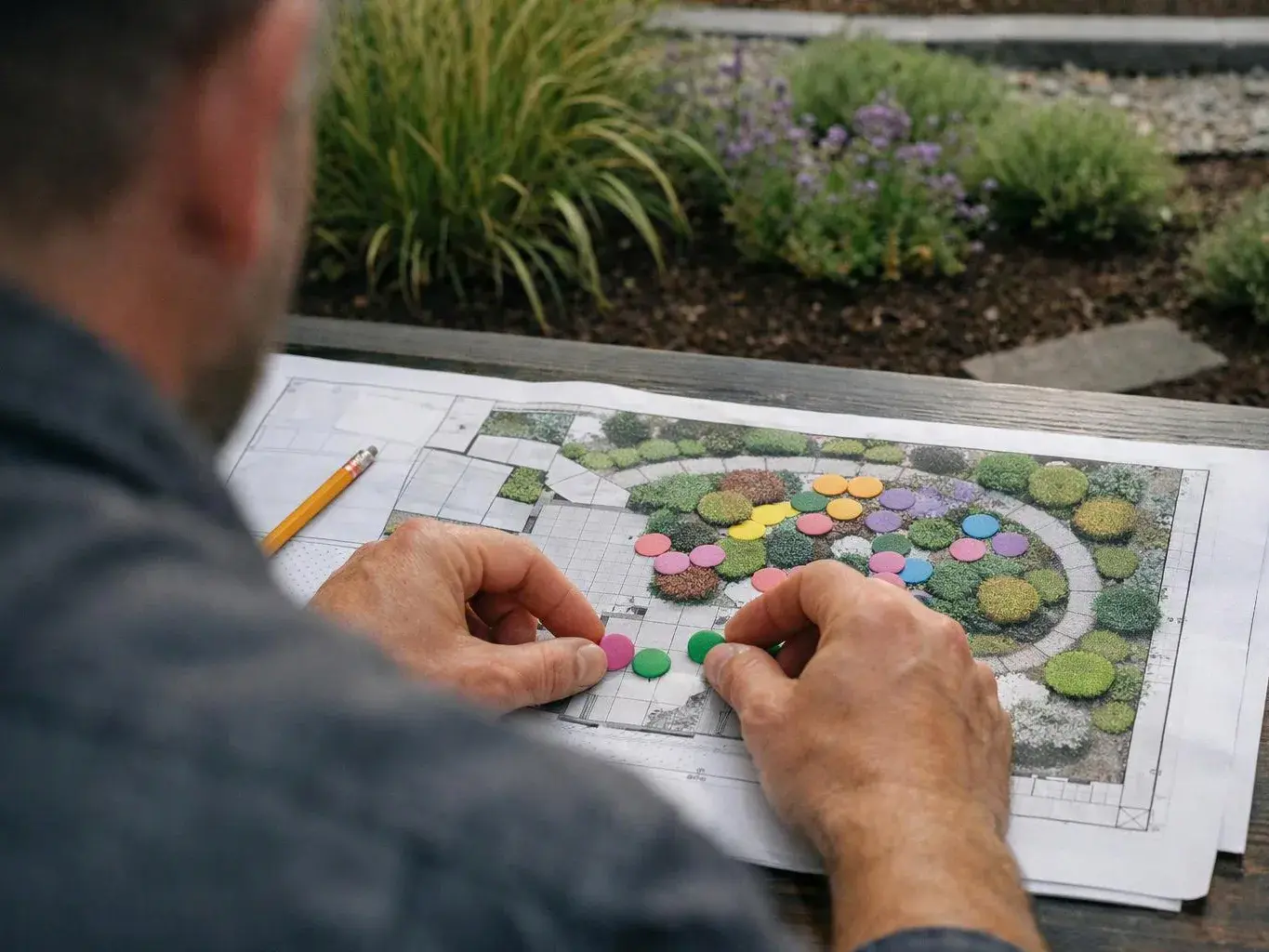
Discuss how you use the yard
We learn how you want to relax, entertain, move through, and care for the space.
We shape planting areas, paths, patios, and water features around your home. Our plans account for soil, slopes, drainage, and daily outdoor use.
Planting Design sets the location, grouping, and role of plants within the wider garden plan. It fits projects where plant choice, bed shape, seasonal interest, soil, light, and maintenance need close attention, while paths, patios, drainage, and other construction remain part of the broader design.
Planting areas fit the light, soil, drainage, and space available.
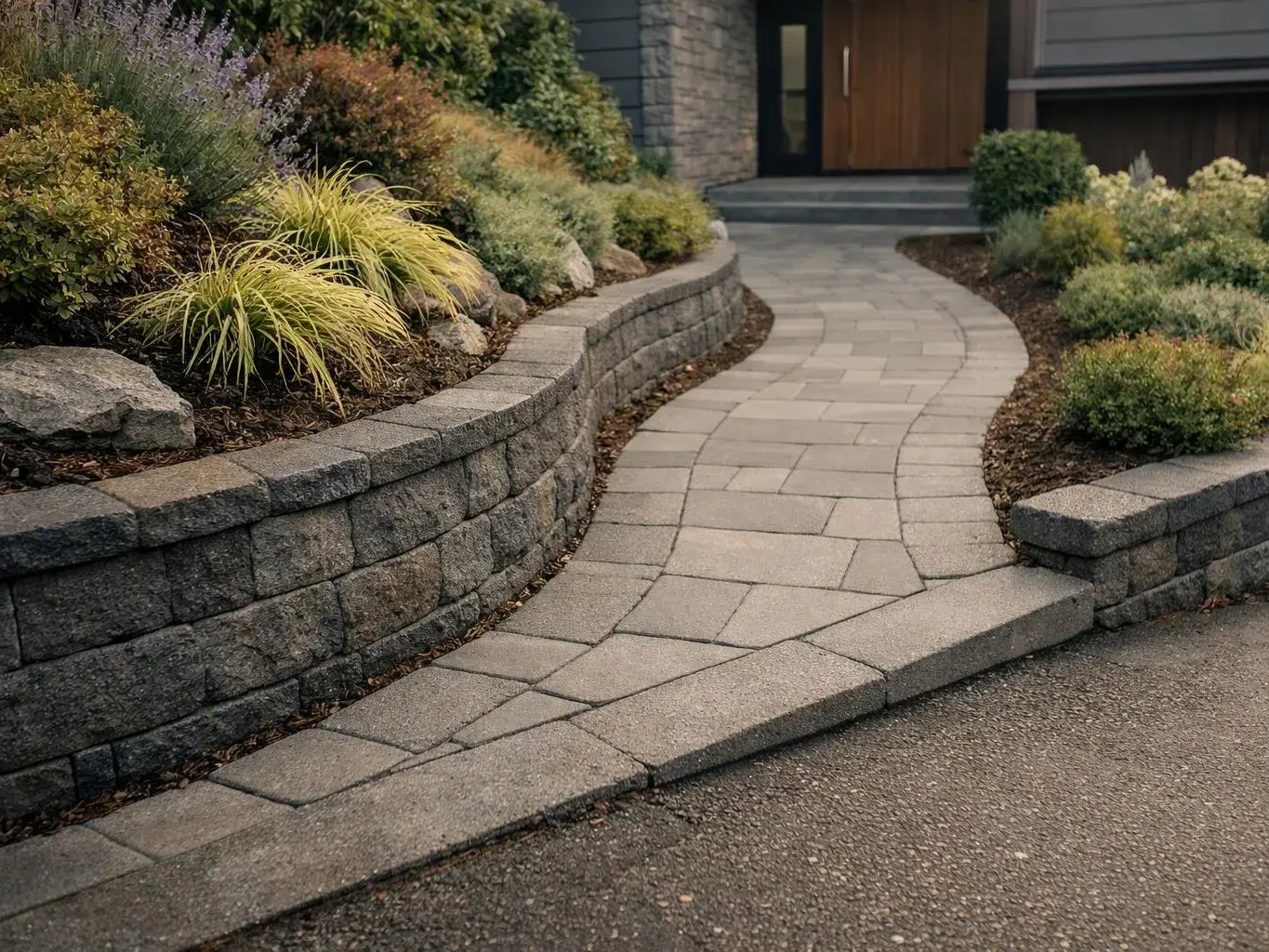
Paths and patios create a more natural connection between the home and yard.
A coordinated plan helps outdoor features work together instead of competing for space.
Maintenance needs become part of plant and layout choices from the start.
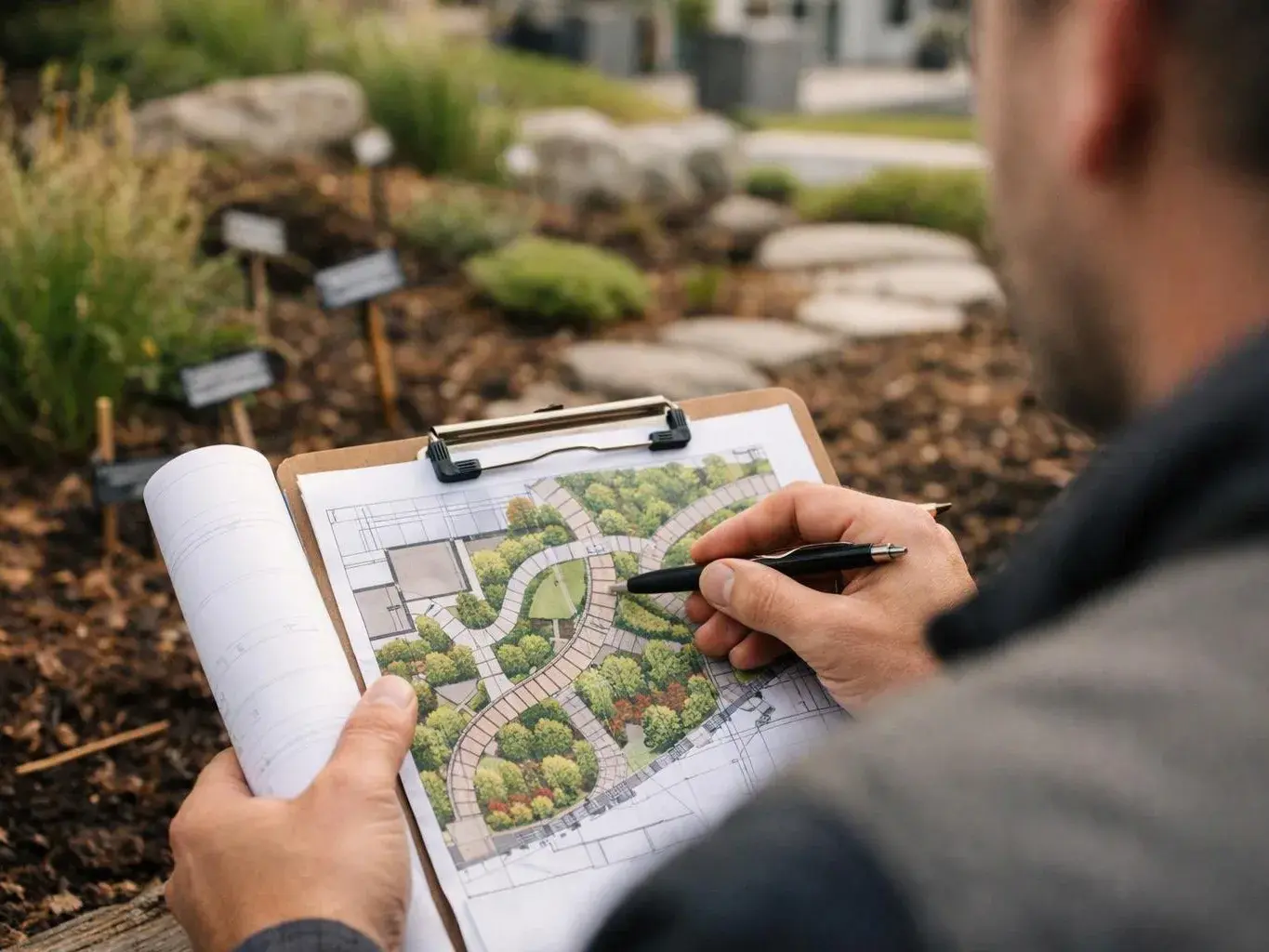
Garden Design links planting areas with the parts of the yard people use. We plan routes, beds, lawn areas, patios, water features, and other outdoor elements as one setting. The work begins with your goals and the site itself. Soil, slopes, drainage, materials, and the home’s position guide the layout. We also consider how the garden will look as plants grow and how regular maintenance will fit your routine. Our design-to-build process keeps the plan tied to construction. That matters when a garden includes retaining walls, walkways, lighting, or water features. The plan should show how each part meets the others before work moves ahead.
Garden Design is a planning service that arranges plants, paths, outdoor rooms, and site features around a property.
A few details about your property and daily use can make the first design discussion more useful.
We learn how you want to relax, entertain, move through, and care for the space.
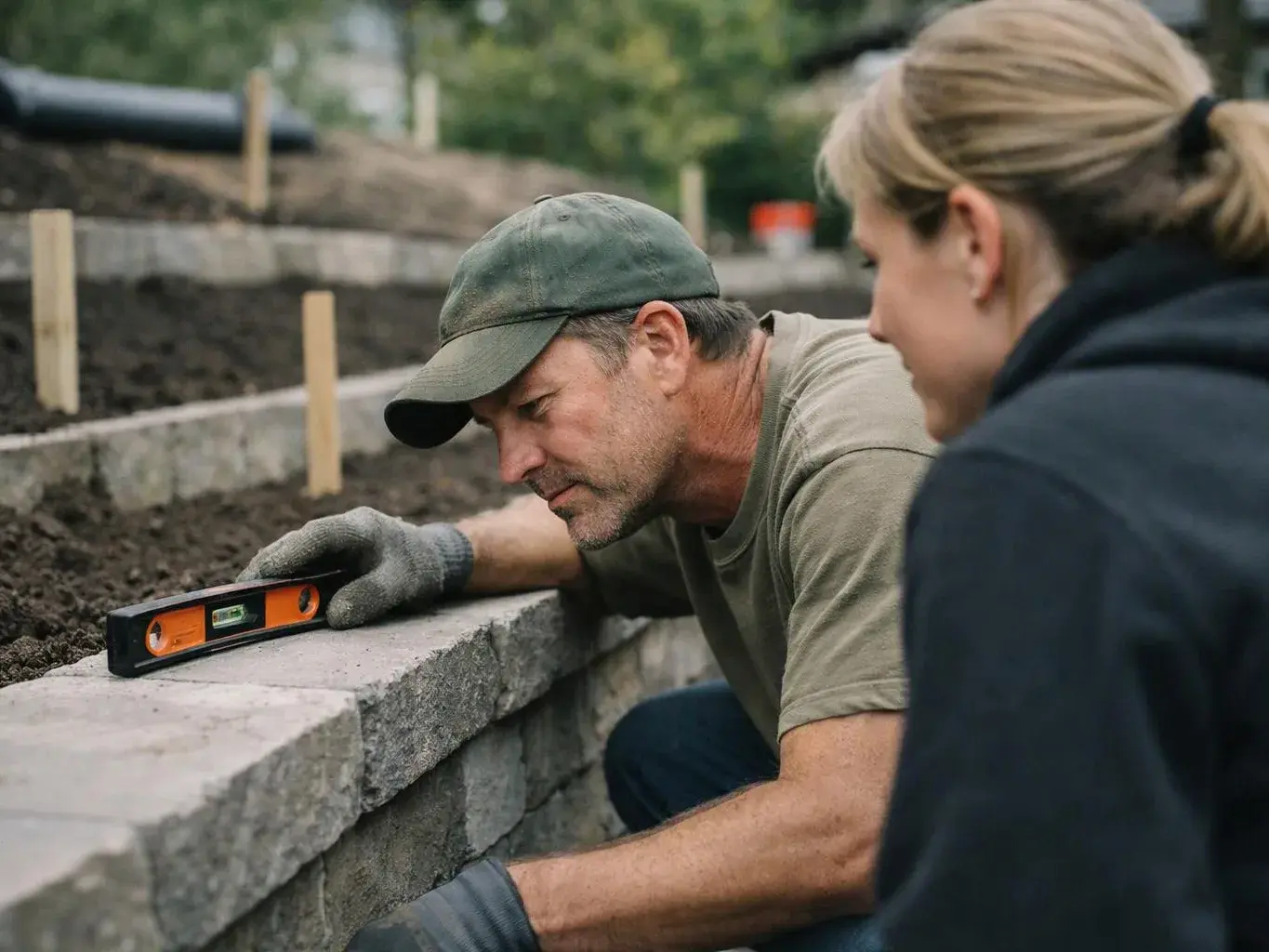
We assess soil, slopes, drainage, access, existing plants, materials, and the home’s connection to the yard.
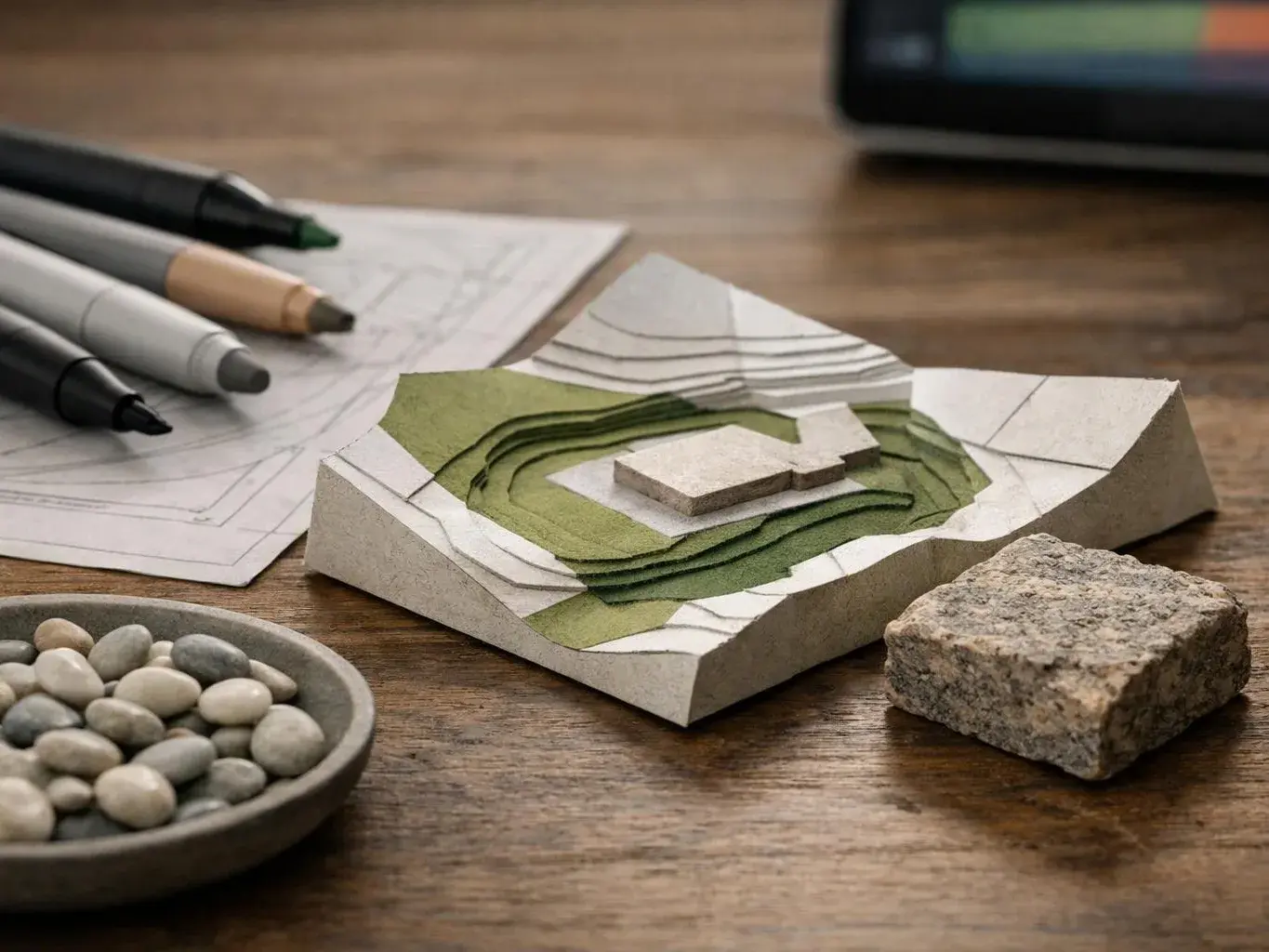
We place planting beds, lawn, paths, patios, water features, and other elements around the site and your goals.
We refine plant choices, hardscape materials, grading needs, and maintenance considerations through documented design feedback.
We guide the project through completion when the design includes installation, planting, or hardscape work.
We shape the garden plan with your input, then carry agreed choices through design revisions and project completion.
We connect grading, planting, drainage, patios, decks, and walkways so the garden plan fits the whole property.
We place native plants, gardens, patios, decks, and walkways according to your property, use goals, and care needs.

We now have a fabulous fenced garden where our local deer and elk cannot ravage. They created a beautiful patio and putting green next to the cedar river.

If you are looking for a landscape designer with formal credentials and extensive practical experience, Adam is your guy. We couldn't be more pleased with his overall vision and individual plant and design recommendations for our backyard transformation. Thanks to Adam and his talented and hard working crew, our project was completed ahead of schedule, within budget, and to our utmost satisfaction.

Adam and his team did an amazing job designing our garden in NorthBend! He was very knowledgeable and helpful in finding the right plants to thrive in our particular environment. His team was courteous, friendly, and considerate. From the beginning we didn’t know exactly what we wanted, but Adam helped us find the perfect plants to complement the space. We are very happy with the results and his expertise. Thank you again, Adam!
Tell us about your yard, drainage concerns, planting goals, and outdoor spaces. We’ll review the property needs and prepare the next quote step.
Water that collects near beds or paths can affect plant health and outdoor access. Garden planning must connect grading, drainage, soil, and plant placement before new work begins. Note where water gathers after rain, then share those observations during the site review so the plan addresses the cause.
A yard can contain useful spaces yet still feel hard to move through. The plan needs to link the home, paths, planting beds, patios, and sitting areas without wasting usable ground. Mark the routes you use most, and bring those priorities to the first design discussion.
Dense beds, misplaced lawn, and plants with mismatched needs can make upkeep tiring. A better plan matches plant selection and bed shape to the care you can give. List the tasks you want to reduce, such as mowing, pruning, or watering, before we review the property.