How can native planting support pollinators and local wildlife?
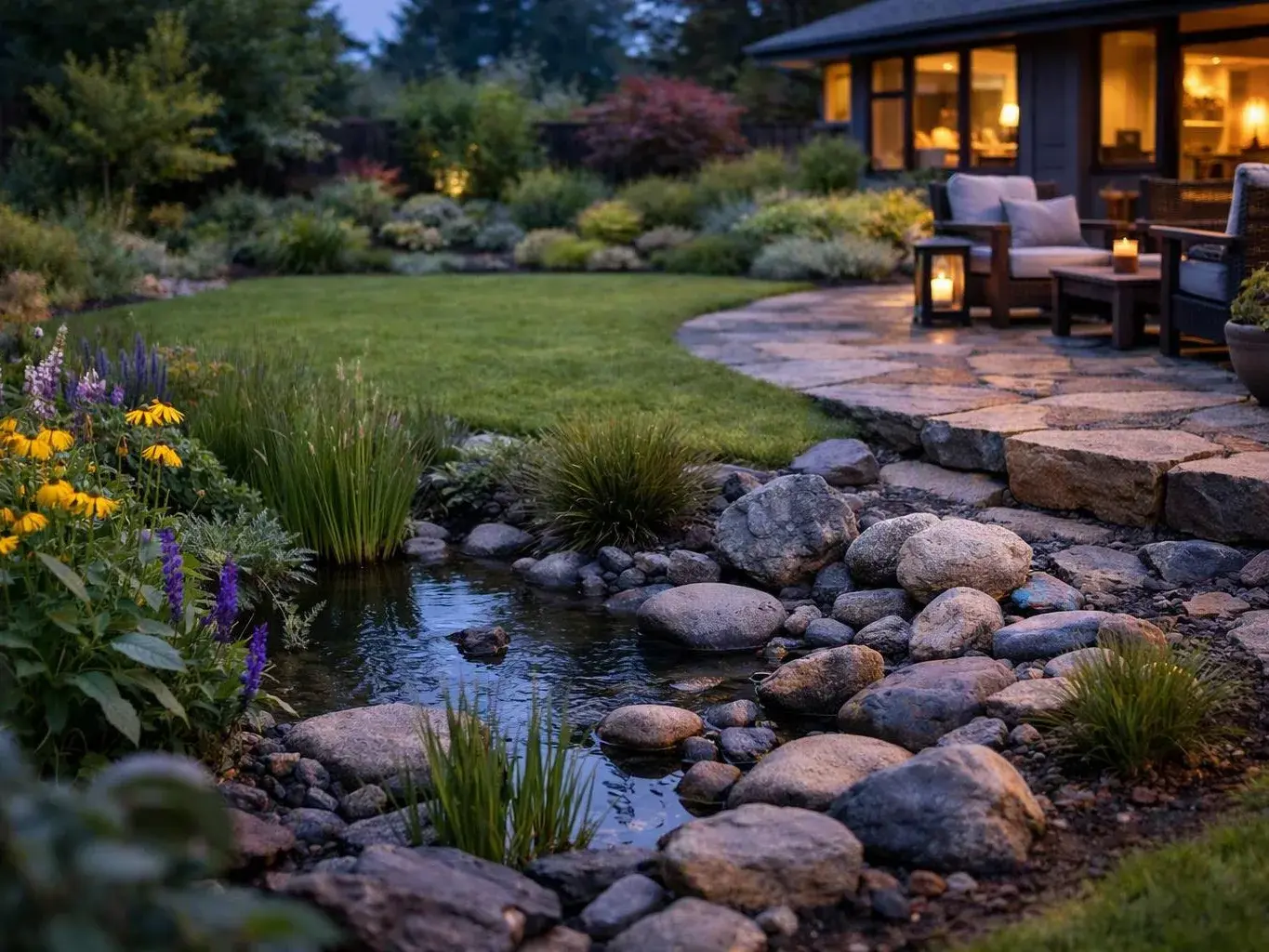
Flower succession supports pollinators by spreading flowers across the growing season. Pollinator plants provide nectar and pollen, while host plants support insect life at another stage. Layered planting can also add bird habitat and cover. We review bloom periods, soil, sunlight, drainage, and available space before setting the planting plan.
What does the first site visit cover?
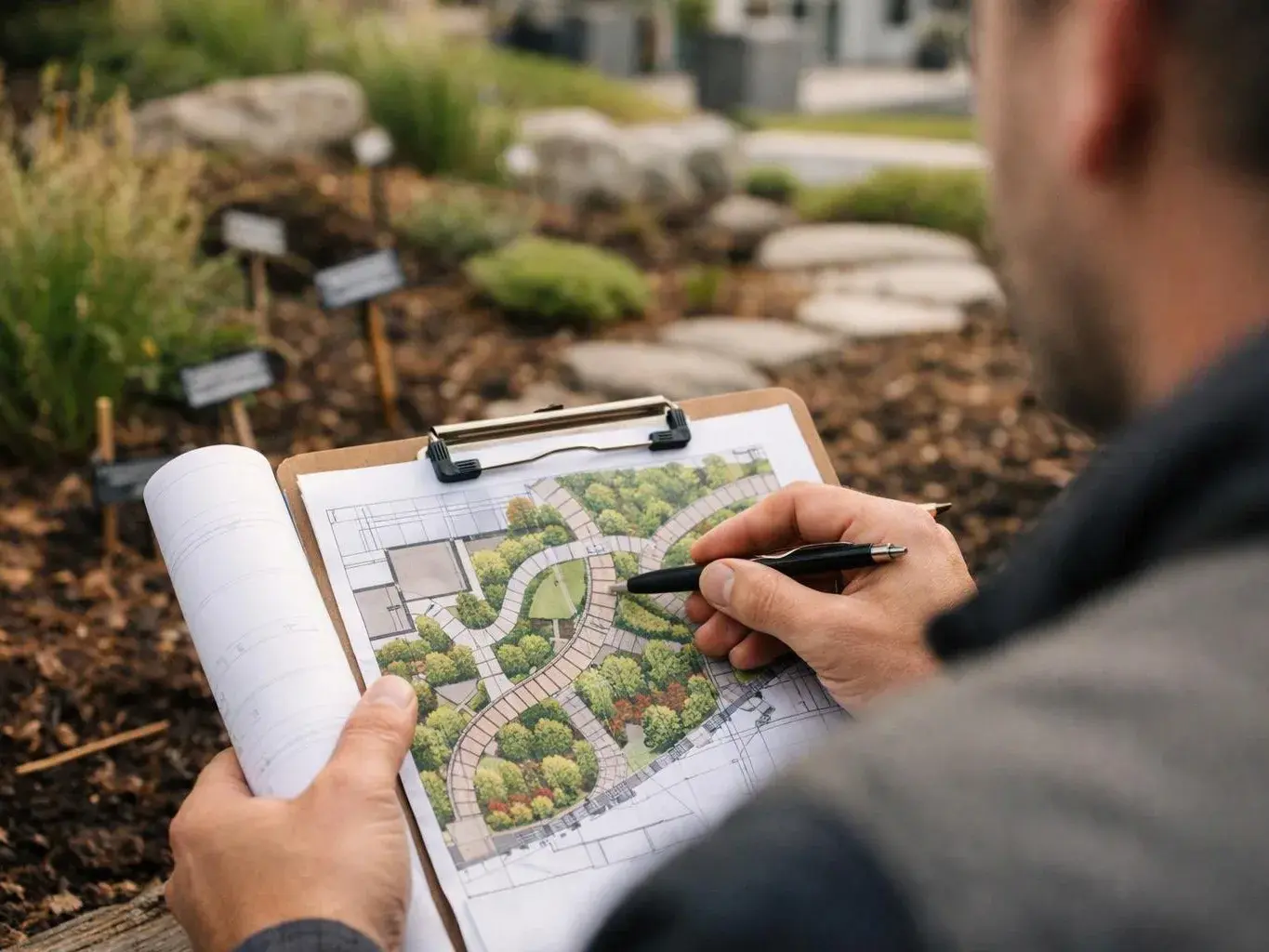
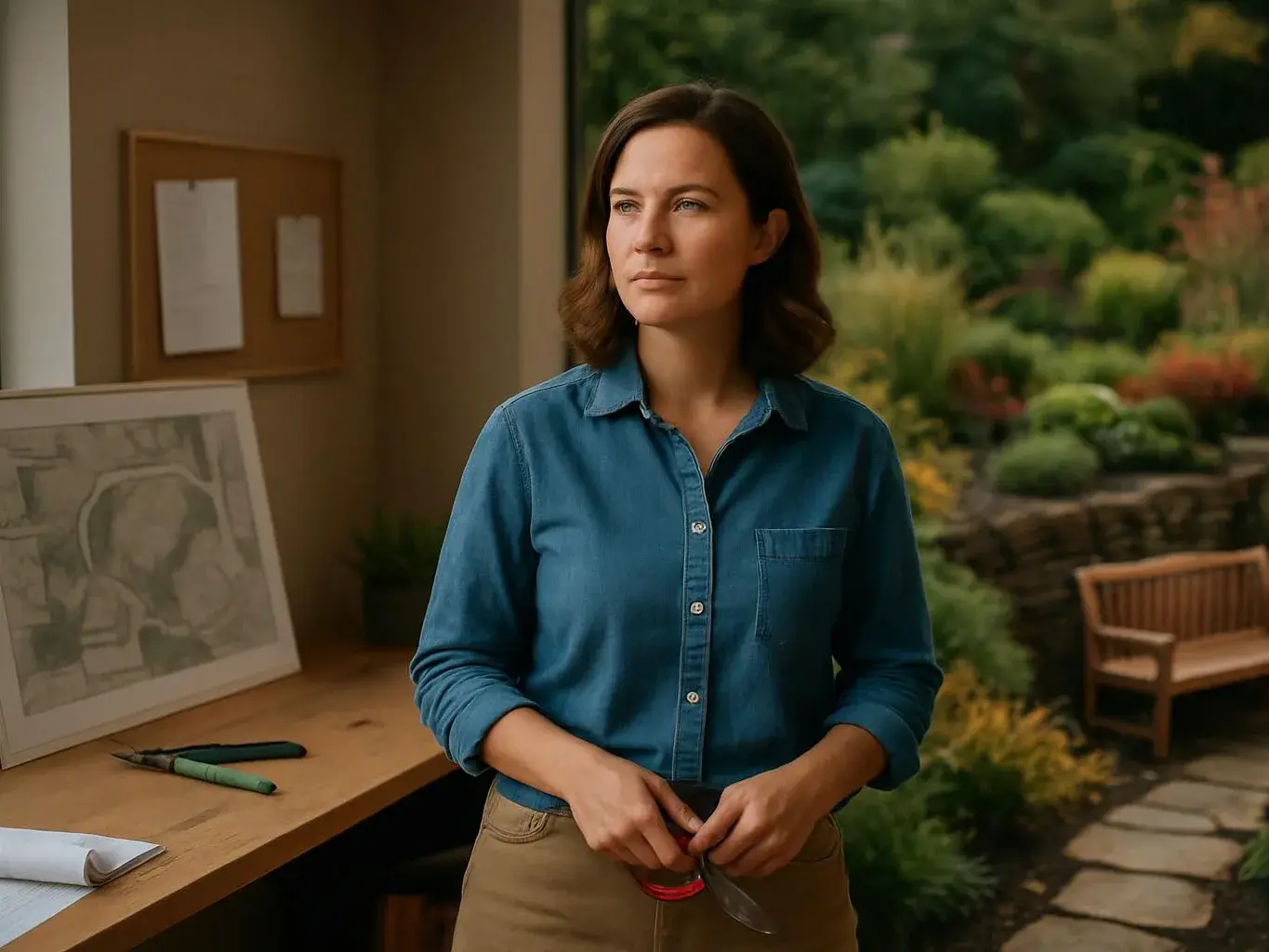
The first site visit covers the property conditions that shape the planting plan. We look at soil, slopes, drainage, sunlight, existing plants, access, and the home’s relationship to the yard. We then explain whether planting alone fits or whether paths, lawn, walls, lighting, or other landscape work belong in the scope.
Which parts of a habitat plan change the quote?
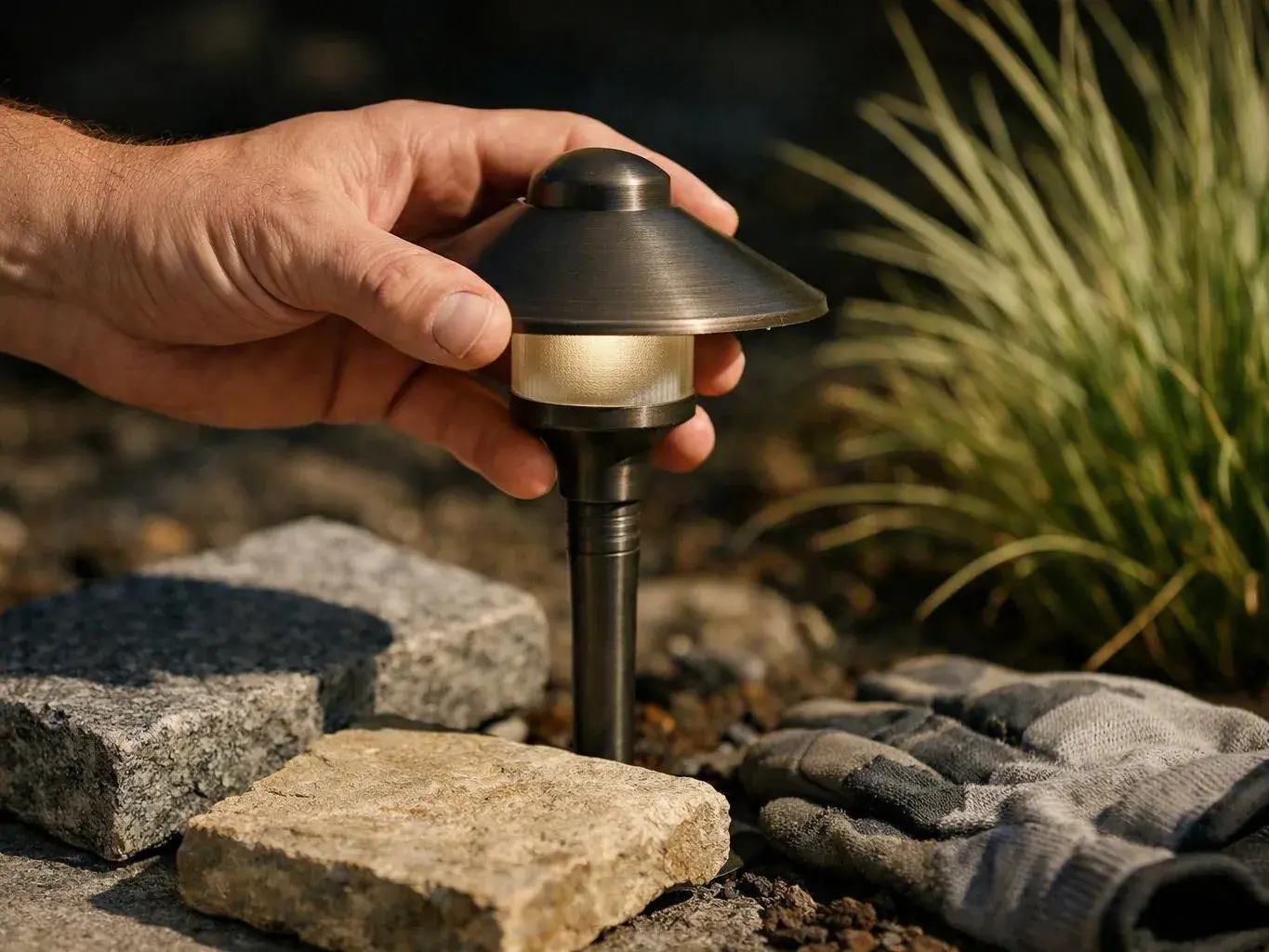
The planting area, site preparation, soil work, access, and related construction change the quote. A plan with new beds has a different scope from one that also includes patios, walkways, retaining walls, lighting, or water features. We review those choices before preparing a project quote.
When does native planting fit a property?
Native planting fits properties where the owner wants habitat value, varied plant form, and a less uniform garden layout. Soil, drainage, sunlight, access, and existing hardscape still guide the plan. A formal lawn-only goal points to a different service, while a mixed yard can combine planting with lawn and outdoor living areas.
Why do host plants matter if flowers already attract insects?
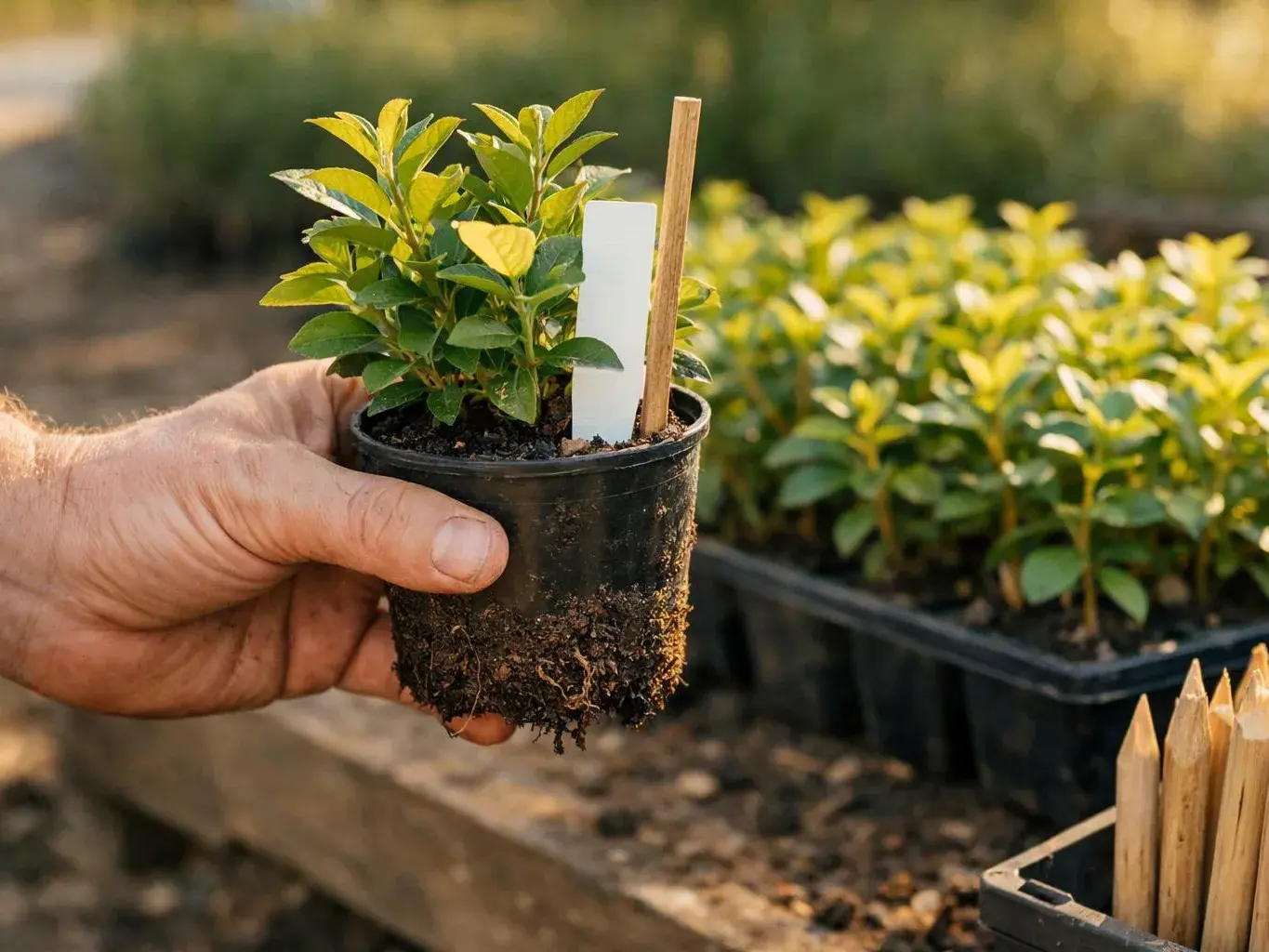
Host plants support insect life beyond the flower stage. Flowering plants offer nectar and pollen, but host plants provide places for insects to feed and develop. We consider both roles when planning habitat beds, along with bird cover, paths, views, and the amount of maintenance the property can support.
How does a landscape architect differ from a landscape designer?
A landscape architect has formal landscape architecture training, while a landscape designer may follow a different education path. The project scope matters most because planting, grading, drainage, structures, and construction can require different skills. Our design-to-build work connects site review, planning, planting, and related landscape construction.
What should I prepare before requesting a planting assessment?
A clear list of goals helps shape the planting assessment. Note which areas need habitat, where you want paths or gathering space, and what maintenance level feels realistic. Photos, site access details, and concerns about soil, drainage, or existing plants can also help define the first project discussion.