How can native landscaping support pollinators and local wildlife?
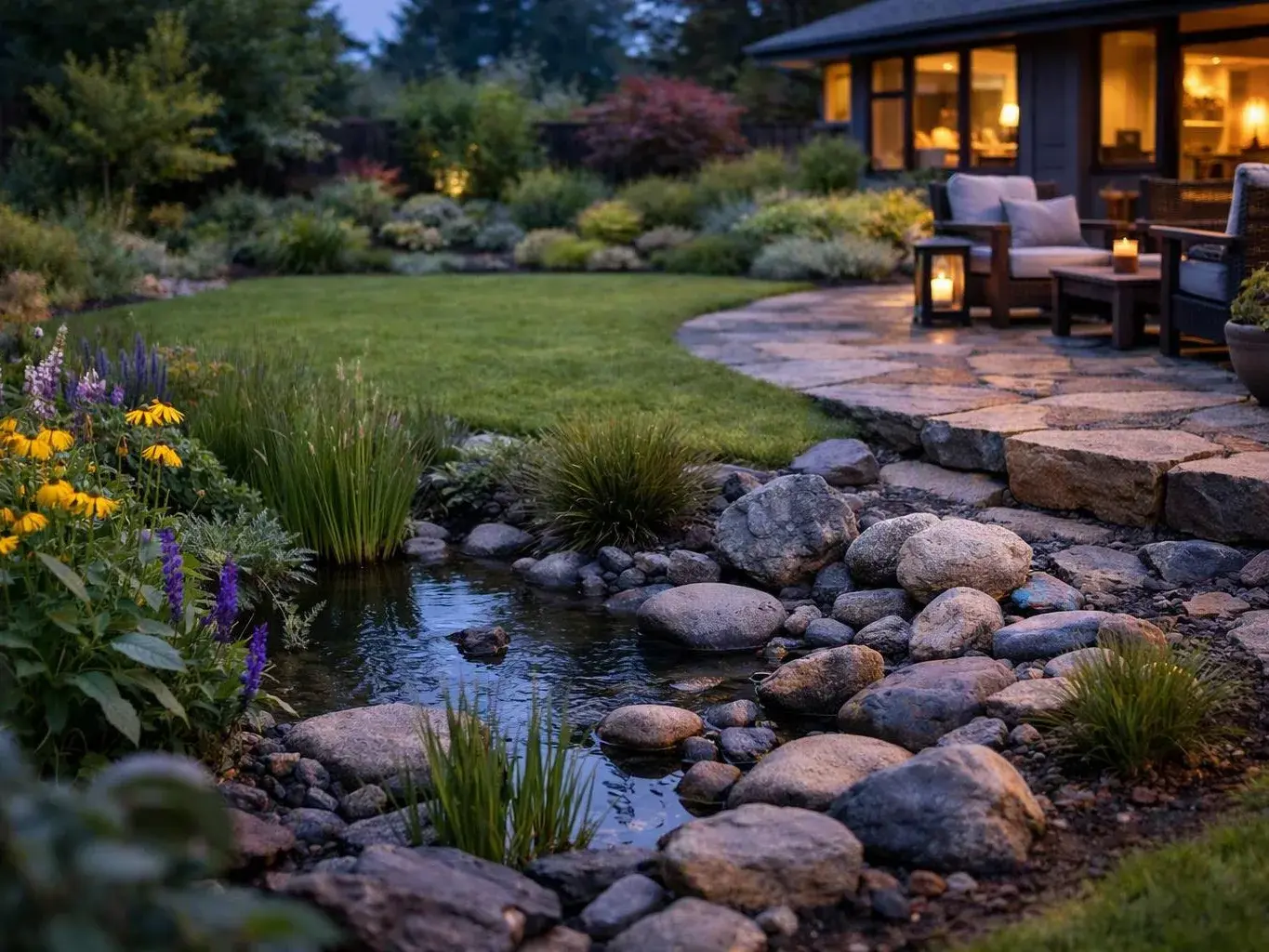
Bird habitat supports pollinators and local wildlife when planting includes food, shelter, host plants, and seasonal bloom. Pollinator plants supply nectar and pollen, while host plants support other life stages. Flower succession keeps the planting useful across changing seasons. We also fit habitat areas around paths, lawns, patios, and views, so the yard remains practical for daily use.
What does the first site review check before planting begins?
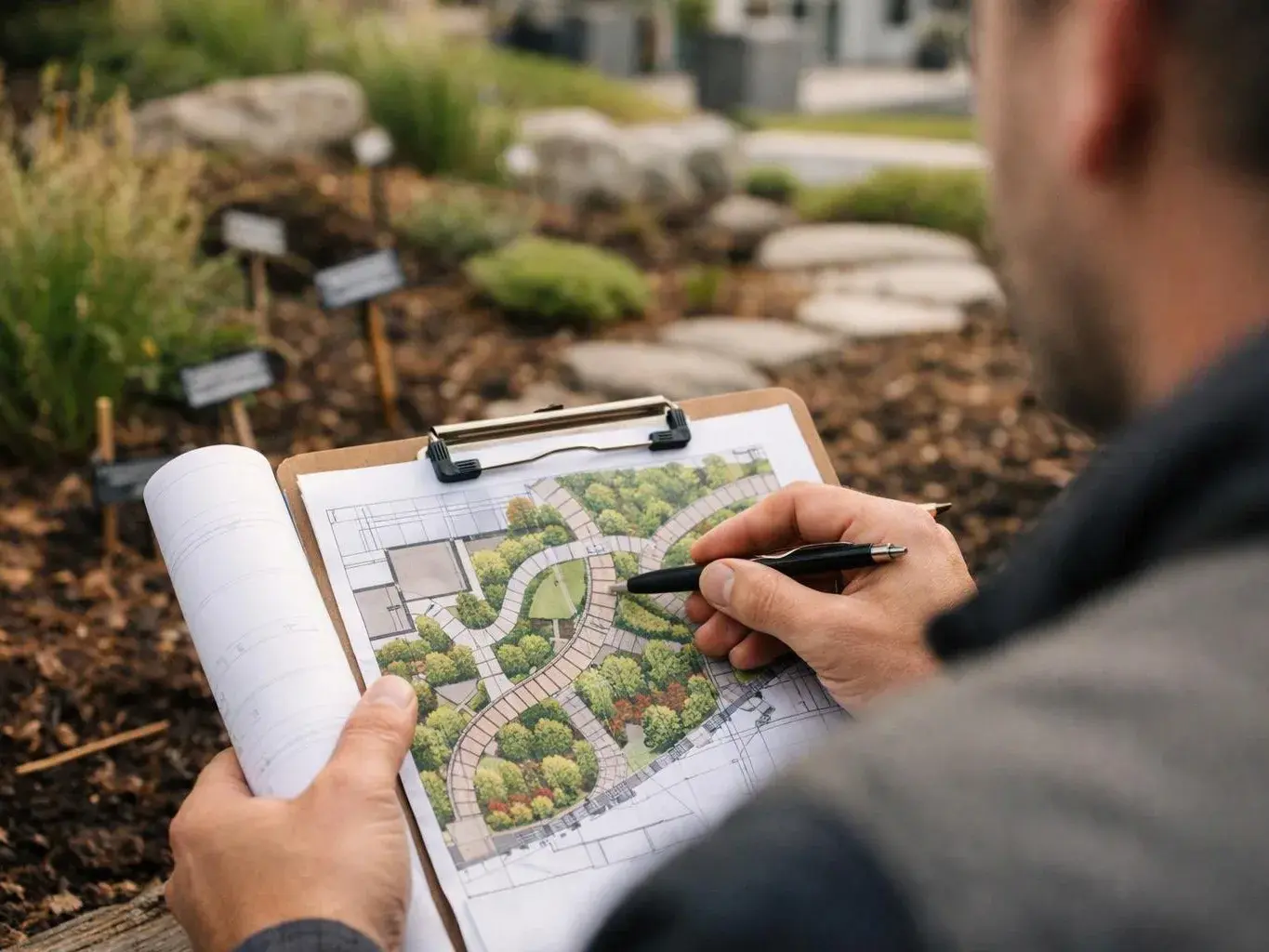
The first site review checks soil, light, drainage, slopes, existing plants, lawn, access, and the home's relationship to the yard. These findings shape the planting areas and habitat roles. A simple site photo set and notes about wet spots, shade, and maintenance goals can help us discuss the right scope before design work begins.
Which parts of a habitat planting job change the quote?
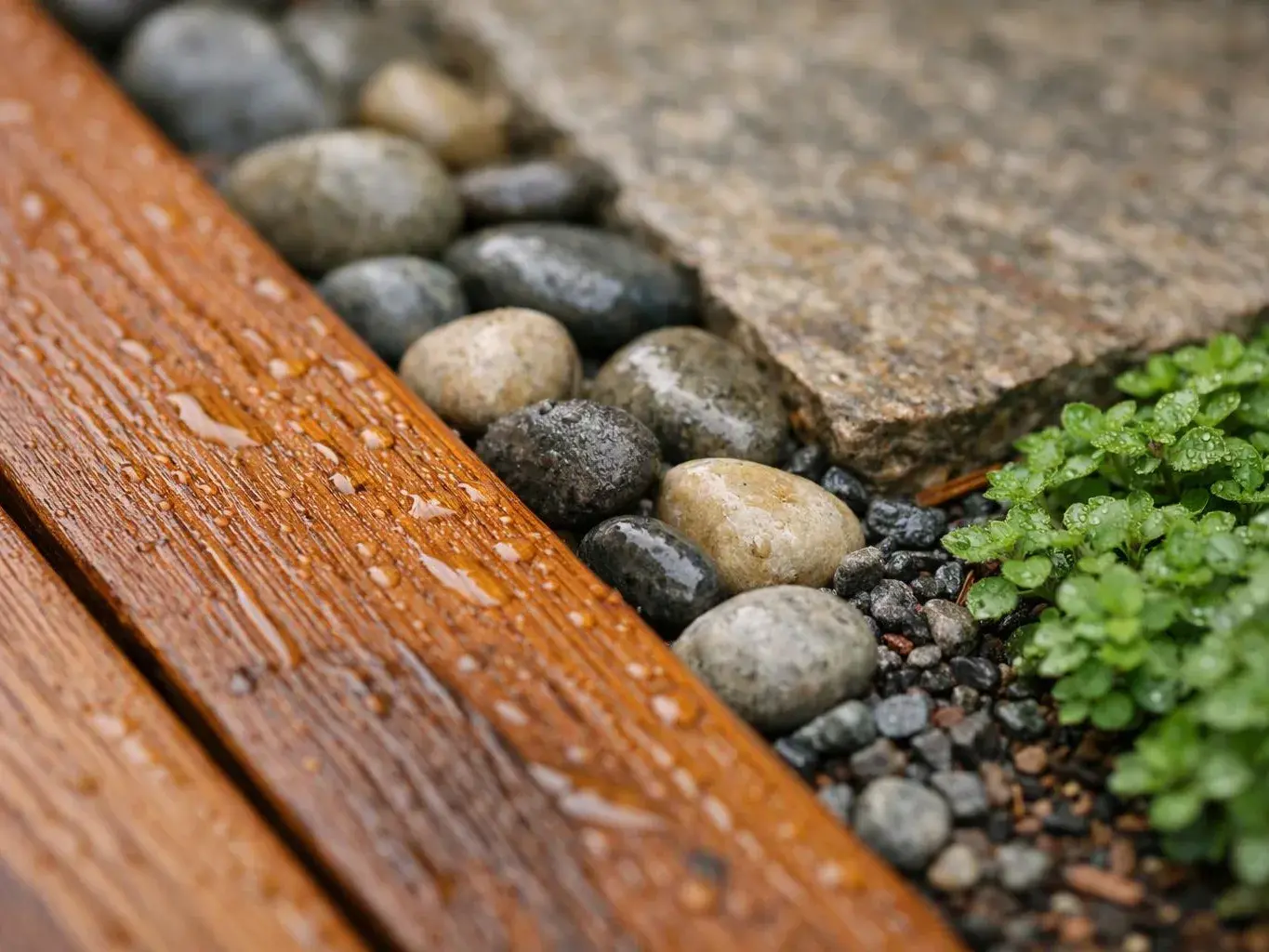
The planting area, site preparation, soil work, drainage needs, plant selection, access, and related hardscape change the quote. A small bed with ready soil has a different scope from a lawn conversion tied to paths or retaining walls. We review those conditions and provide upfront pricing for the work discussed.
When is native planting the wrong fit for a yard?
Native planting is the wrong fit when the only need is routine lawn care, one plant replacement, or a structural repair. Those needs call for a narrower service scope. A broader planting plan fits when the property owner wants habitat, seasonal bloom, less lawn, or a design that connects plants with outdoor living areas.
Why should pollinator plants and host plants appear together?
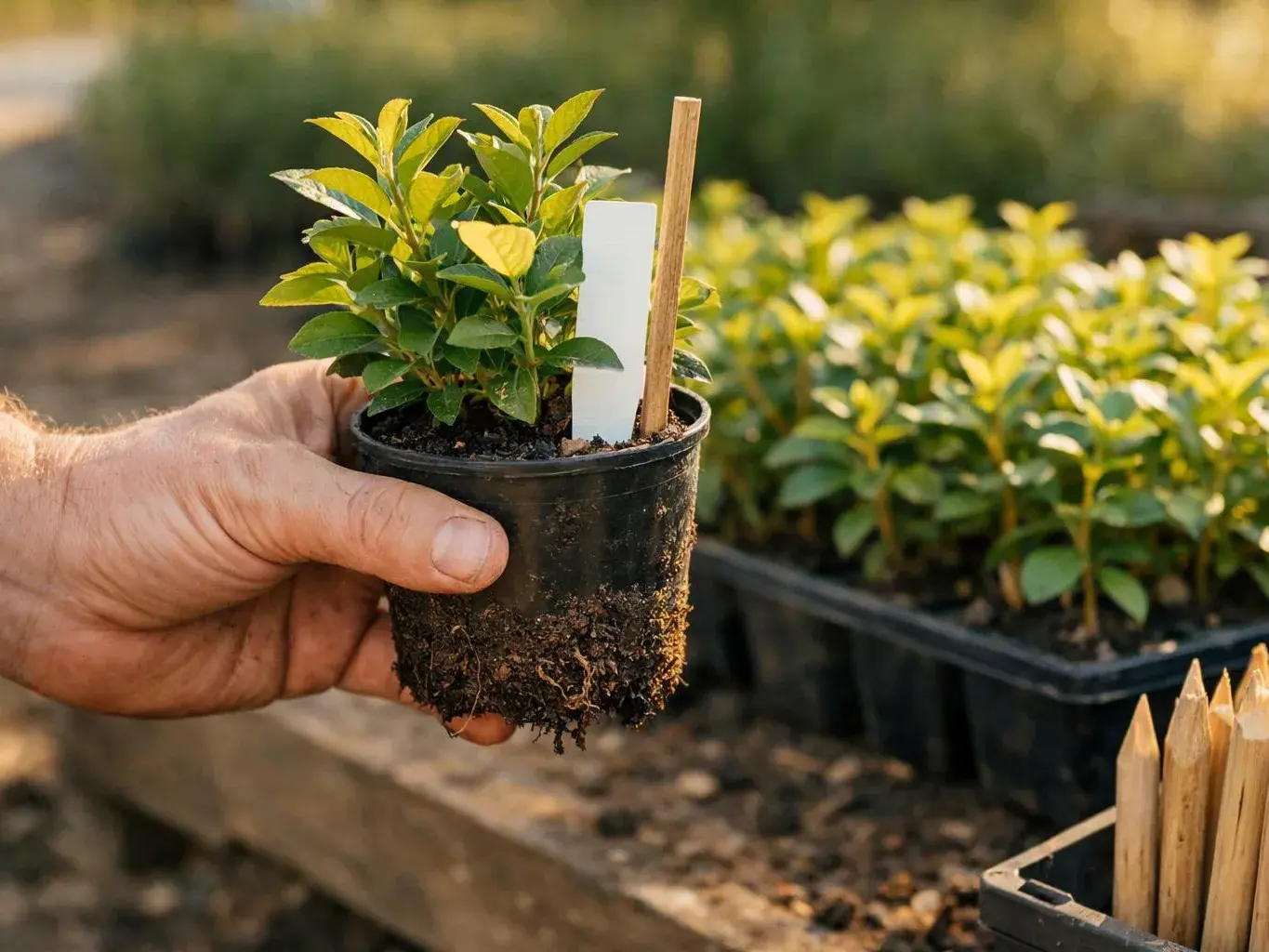
Pollinator plants feed insects, while host plants support other stages of wildlife life cycles. Using both creates a fuller habitat plan than relying on flowers alone. The mix still needs to suit the site's light, soil, drainage, access, and maintenance needs, so we place each plant group where it can serve a clear purpose.
What should I prepare before requesting a planting quote?
A planting quote is easier to shape when you share the habitat goal, site photos, areas under review, and known access concerns. Add notes about lawn use, wet spots, shade, desired maintenance, and nearby patios or paths. Those details help us discuss planting scope and related landscape work without assuming the property needs a full-yard redesign.