Skip to content

Rain Garden Design in Clyde Hill, Washington

Soil permeability changes the scope when it needs replacement instead of adjustment in Clyde Hill. We plan rain gardens around runoff paths, property slopes, and usable planting areas.

5 · 36 Reviews29 Years in BusinessUpfront, Transparent PricingServing 123 Communities

Quick Summary: Rain Garden Planning in Clyde Hill, Washington

Rain Garden Design in Clyde Hill is provided by LandscaperBellevuewa.com for homeowners across Bellevue, North Bend, Issaquah, Sammamish, Mercer Island, Kirkland, Snoqualmie, and other King County communities. The service covers site review, runoff planning, planting areas, and design coordination through a clear concept-to-completion process.

  • What we do: LandscaperBellevuewa.com provides Rain Garden Design for Clyde Hill, Washington properties, with plans shaped by runoff paths, soil, slopes, and the home's setting.
  • What is included: Key capabilities include checking downspout outlets, reading natural low points, assessing property slopes, planning planting beds, and coordinating the design with nearby patios, walkways, walls, or lighting.
  • What you get: The finished plan shows where stormwater should collect, spread, and soak into the soil without directing water toward the home.

Where should a rain garden be placed to manage stormwater effectively?

A rain garden belongs where runoff can reach it safely and the soil can accept water. Soil permeability, downspout outlets, natural low points, and property slopes guide the placement. The garden must also stay clear of building foundations, key access routes, and areas that need to remain dry. A site review confirms the best location before design work begins.
Our Track Record

Years in Business
29
Average Rating
5
Customer Reviews
36

Rain Garden Design for Clyde Hill Properties

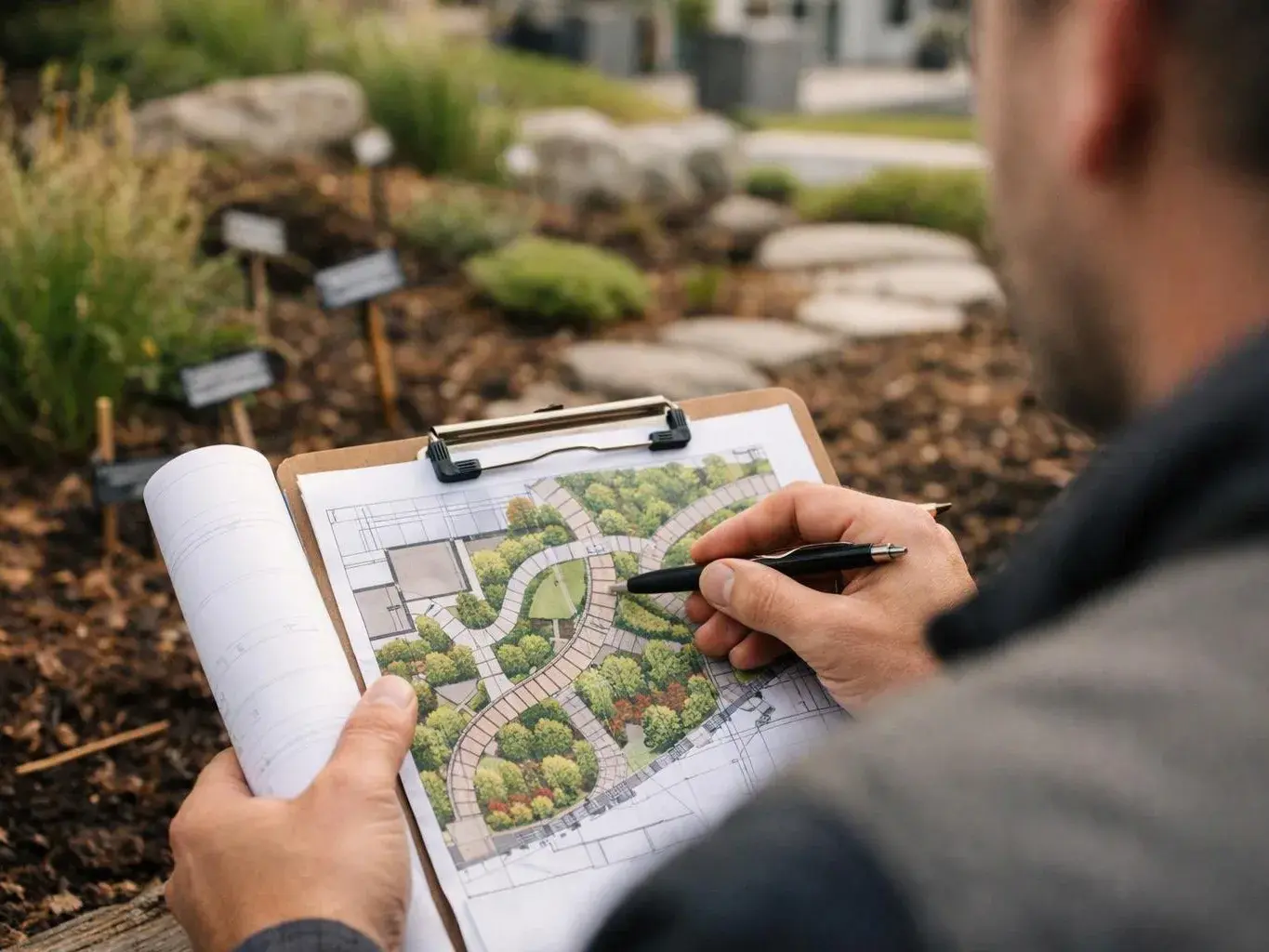
Rain garden design focuses on one decision: where stormwater should go after it leaves a roof, paved area, or sloped part of the property. The plan connects downspout outlets with a safe planting area and accounts for soil, grading, access, and the home's location.

The key limit is simple. A rain garden isn't the right answer for every drainage issue, especially when water must be removed from a foundation area or the soil won't accept it. We review the site first, then explain whether adjustment, soil replacement, or another drainage approach fits the property.

  • Trace each downspout outlet and note where roof water currently flows.
  • Check natural low points and the direction of property slopes.
  • Review soil permeability before setting the garden's location.
  • Keep the proposed planting area clear of foundations and main access paths.
  • Coordinate the garden with patios, walkways, retaining walls, lighting, and existing planting.
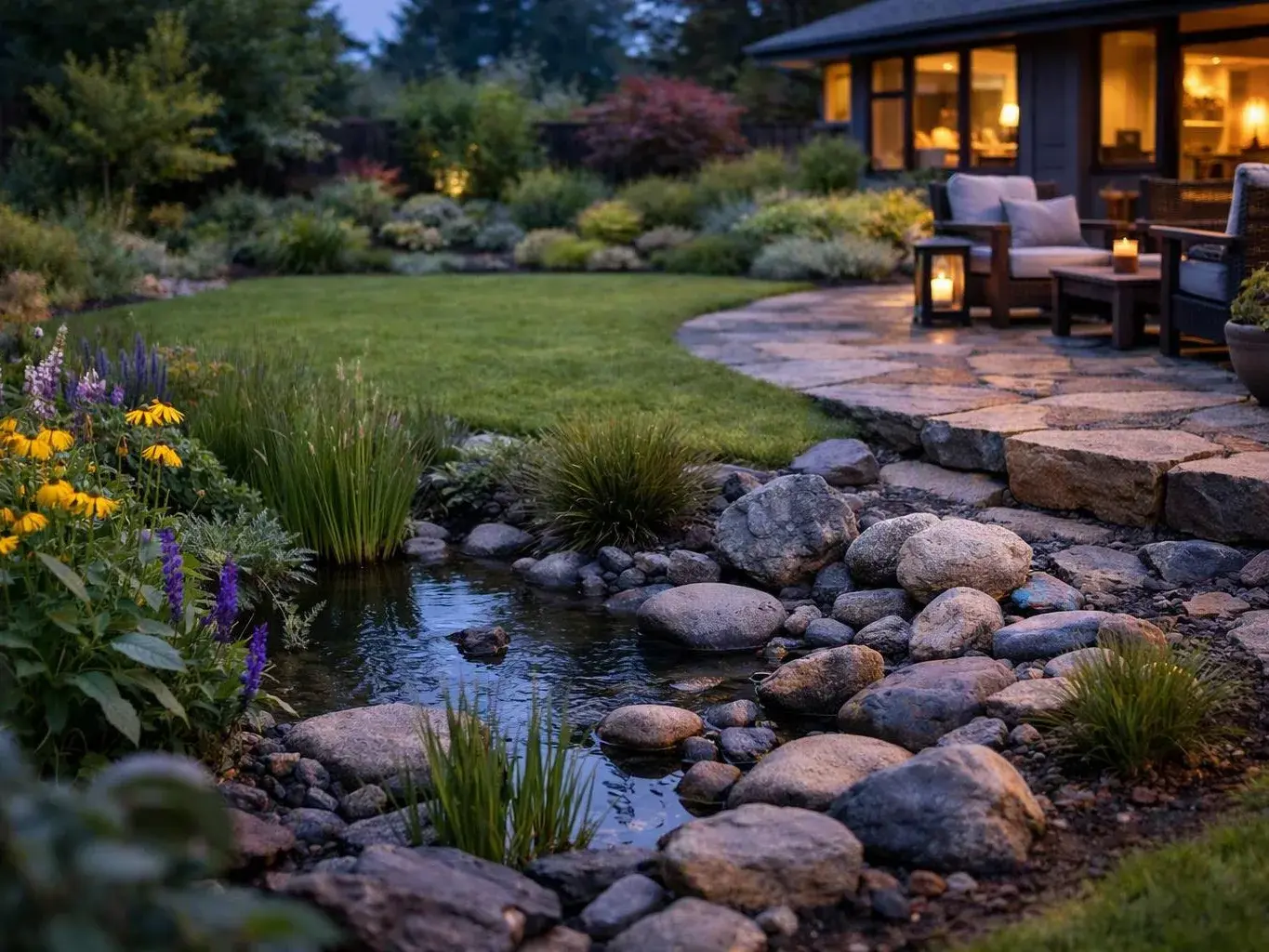
A landscaped backyard garden features a stone patio, glowing lanterns, a small pond, and lush flowers at dusk

Service Overview

Rain garden design is a site plan that directs stormwater into a planted area where soil can absorb it.

  • It differs from general planting because it starts with runoff flow, soil testing, grading, and drainage limits.
  • We provide this service for Clyde Hill properties and other King County communities we serve.

What Your Rain Garden Plan Includes

LandscaperBellevuewa.com provides comprehensive Rain Garden Design in Clyde Hill. Here's what you get:

  • We review the property's runoff paths and note how water reaches the site.
  • We assess soil permeability and identify whether the soil needs adjustment or replacement.
  • We locate downspout outlets, natural low points, and suitable planting areas.
  • We account for slopes, access, hardscape, retaining walls, and the relationship between the garden and home.
  • We prepare a design that guides planting, grading, and stormwater movement.
  • We explain the concept and the next steps through our concept-to-completion process.

What Better Rainwater Placement Changes

A clear runoff route helps you decide where roof water should collect.

The plan reduces guesswork before planting, grading, or related hardscape work begins.

Soil and slope checks help prevent a garden from being placed where water cannot soak.

The design can connect a planted drainage area with patios, walkways, walls, and the home.

Regular maintenance can help keep soil, inlets, and planted areas working as intended.

Process

How We Plan a Rain Garden for Your Property

1

Trace the runoff path

We follow water from roof edges and downspout outlets toward the lower parts of the property.

2

Check soil and slope

We review soil permeability, natural low points, property slopes, foundation clearance, and access around the proposed area.

3

Set the garden location

We choose a placement that can receive runoff safely and connect with the home's existing planting and hardscape.

4

Build the design scope

The plan identifies grading, planting areas, soil work, and related features that the project may need.

5

Explain the next steps

We walk through the concept, quote scope, construction questions, and maintenance needs before work proceeds.

Why Use a Design-LED Rain Garden Plan

Site decisions before planting

Runoff direction, soil, and slope are reviewed before the planting area is set. A rain garden is the wrong job when water must be captured by a foundation drain or moved through a separate drainage system.

Design that fits the home

The plan considers the house, paving, walls, lighting, and existing planting together. That helps the stormwater area feel connected to the property instead of placed as an isolated bed.

Landscape architect-LED design

Adam Gorski is a certified landscape designer and Cornell University Landscape Architecture graduate. Our trained employees also include people with bachelor's degrees in landscaping-related fields.

The scope this service is meant to handle

A typical property review starts at the downspout outlets and follows water toward natural low points. We check soil permeability, slope, foundation clearance, and access before choosing a rain garden location. If the soil needs replacement or the slope sends water toward the home, the plan must address that condition first.

Rain Garden or Other Drainage Approach

These options differ by how they handle runoff, soil intake, and concentrated water.

ApproachMain purposeBest fit to review
Rain gardenCollects stormwater in a planted areaSites with suitable soil, space, and safe overflow
Drainage trenchMoves water through a defined channelConcentrated flow that needs a directed route
Grading adjustmentChanges the ground shape and water pathSites where slope sends runoff toward an unwanted area

Our Standard

  • Collaborative Process
  • Site-Specific Planning
  • Documented Communication
  • Ecological Maintenance Planning

Customer Reviews for Rain Garden Design in Clyde Hill

5(36 Customer Reviews)View our Google Business Profile
Jonathan Miller
Jonathan Miller
3 years ago
Verified on Google
I'm very happy with the work Adam has done for me. He was always on time and has terrific design sensibilities. Best of all he accurately incorporated my ideas into his design.
Kelly Hawkins
Kelly Hawkins
9 months ago
Verified on Google
Adam has a great eye for design and always offers suggestions that improve our original vision. He is professional and detail oriented and does great work. We have been happy with everything he has asked us to do and have had him out for several projects. He is also a really nice person and great to work with!
Garrett Richardson
Garrett Richardson
7 months ago
Verified on Google
Adam and his team did an amazing job designing our garden in NorthBend! He was very knowledgeable and helpful in finding the right plants to thrive in our particular environment. His team was courteous, friendly, and considerate. From the beginning we didn’t know exactly what we wanted, but Adam helped us find the perfect plants to complement the space. We are very happy with the results and his expertise. Thank you again, Adam!

Questions About Rain Garden Planning

Where should a rain garden sit on a sloped property?

Soil permeability, runoff direction, and foundation clearance decide where a rain garden should sit. A low point may collect water well, but the slope can also send flow toward the home or walkway. We check downspout outlets and the ground shape before setting the location. The design must include a safe overflow path if the area receives more water than the soil can absorb.

What should I prepare before the first site discussion?

Photos of wet areas and downspout outlets give the first site discussion useful context. Mark where water collects, where it flows during rain, and which paths must stay clear. Property plans can help, but they aren't required for every conversation. We use the available information to define the assessment and identify questions for the site visit.

Which soil issue changes the design scope?

Soil that absorbs water slowly can change the design more than the planting choice. The proposed area may need soil adjustment, replacement, added grading, or a different drainage method. We review the soil condition with the site's slope and runoff volume before recommending the work. That keeps the quote tied to a real site need.

How does a rain garden differ from a drainage trench?

A rain garden uses a planted area to receive and absorb stormwater, while a drainage trench moves water through a defined channel. The right choice depends on soil, slope, space, and the location of the runoff. We compare those conditions during planning. A rain garden won't replace a system designed to protect a foundation from concentrated water.

When should I request a rainwater placement assessment?

Request an assessment when runoff repeatedly reaches the same low point, walkway, wall, or area near the home. The site review can separate a placement issue from a soil or grading issue. Bring photos from wet weather and note which downspouts contribute water. We then outline the suitable design scope and quote path.

Why does access matter for this garden work?

Access affects how soil, plants, grading tools, and related materials reach the proposed garden area. Tight routes can change the work scope and the way existing paving or planting is protected. We review access with the site layout before finalizing the plan. Regular maintenance access also matters, so the garden must remain practical after installation.
Contact

Request a Rain Garden Design Quote in Clyde Hill

Runoff that reaches a low point or walkway deserves a site-based plan. Request a quote for rain garden design in Clyde Hill and share the soil, slope, and downspout details that shape the work.

(425) 587-8011