Skip to content

Rain Garden Design in Algona, Washington

Choose Drought tolerant plants for rain garden design in Algona, where planting zones must handle both wet soil and drying periods. We pair plant selection with soil, slope, drainage, and the home's layout.

5 · 36 Reviews29 Years in BusinessUpfront, Transparent PricingServing 123 Communities

Quick Summary: Rain Garden Planning in Algona, Washington

Rain Garden Design in Algona is provided by LandscaperBellevuewa.com for homeowners across King County and surrounding communities. The service covers site review, soil and drainage planning, plant selection, and construction guidance, backed by a design-to-build process.

  • What we do: LandscaperBellevuewa.com provides Rain Garden Design for residential properties in Algona, Washington, including plant selection, soil review, drainage planning, and installation guidance.
  • What is included: We assess soil, slopes, drainage, planting areas, materials, and the connection between the rain garden and the home.
  • What you get: Rain Garden Design delivers a site-based planting and drainage plan that fits the property's moisture changes and outdoor layout.

Why do rain garden plants keep failing after wet weather in Algona, Washington?

Changing moisture levels often point to a poor plant match or drainage issue. Rain garden design checks soil, slope, water flow, and planting depth before plant choices are made. Drought tolerant plants may suit areas that dry between storms, while wetland plants, native sedges, and deep roots may suit wetter zones. The plan should match each plant to its actual growing area.
Our Track Record

Years in Business
29
Average Rating
5
Customer Reviews
36

Rain Garden Design in Algona for Changing Moisture Levels

Rain Garden Design suits homeowners who want a planted area that works with runoff and changing soil moisture. This page focuses on the plant decision, not a full-yard master plan.

Drought tolerant plants can fit higher or faster-draining parts of the bed. Wetland plants, native sedges, and plants with deep roots may fit lower areas that hold moisture longer. We assess the site before placing these groups, because one planting mix rarely fits every part of a rain garden.

The key decision is whether the site needs a planted drainage feature or a different repair. A blocked drain, failed grading, retaining wall issue, or unsafe slope may need separate work before planting begins.

  • Identify where runoff enters and leaves the planting area.
  • Check soil texture, drainage, slope, and existing plant health.
  • Match plant groups to wet, moist, and drier parts of the bed.
  • Decide whether planting work needs grading, drainage, or hardscape support.
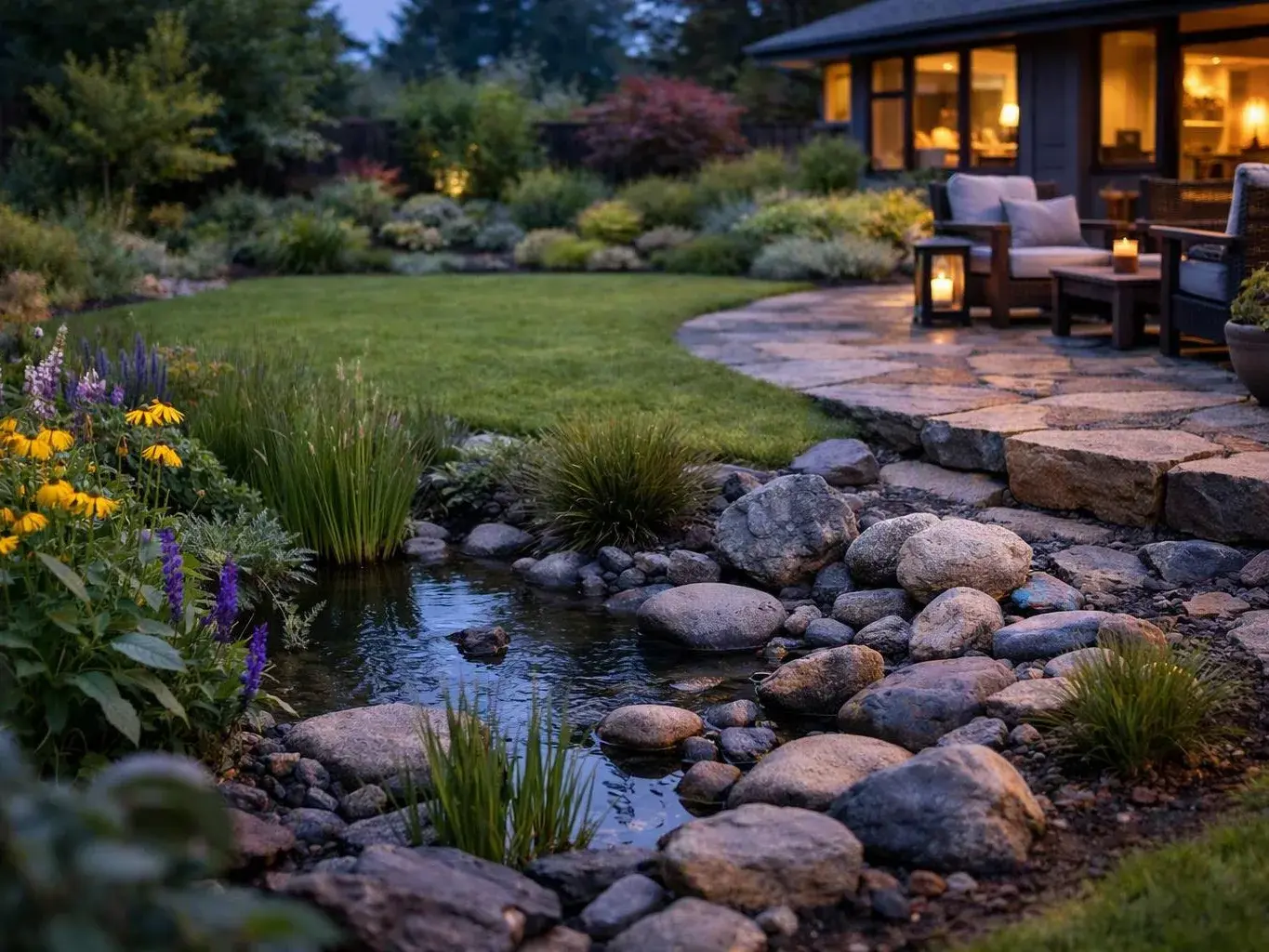
A landscaped backyard garden features a stone patio, glowing lanterns, a small pond, and lush flowers at dusk

Service Overview

Rain garden design is a planting and drainage plan that directs runoff into a planted soil bed.

  • Rain garden design differs from general planting because it matches each plant to water flow, soil moisture, and basin depth.
  • We provide rain garden design for homes and properties in Algona, with coverage across King County and nearby communities.

What Rain Garden Planning Includes for Your Property

LandscaperBellevuewa.com provides comprehensive Rain Garden Design in Algona. Here's what you get:

  • We review the property's soil, slopes, drainage, and relationship to the home.
  • We create a planting approach for wetland plants, native sedges, deep-rooted plants, and drier zones.
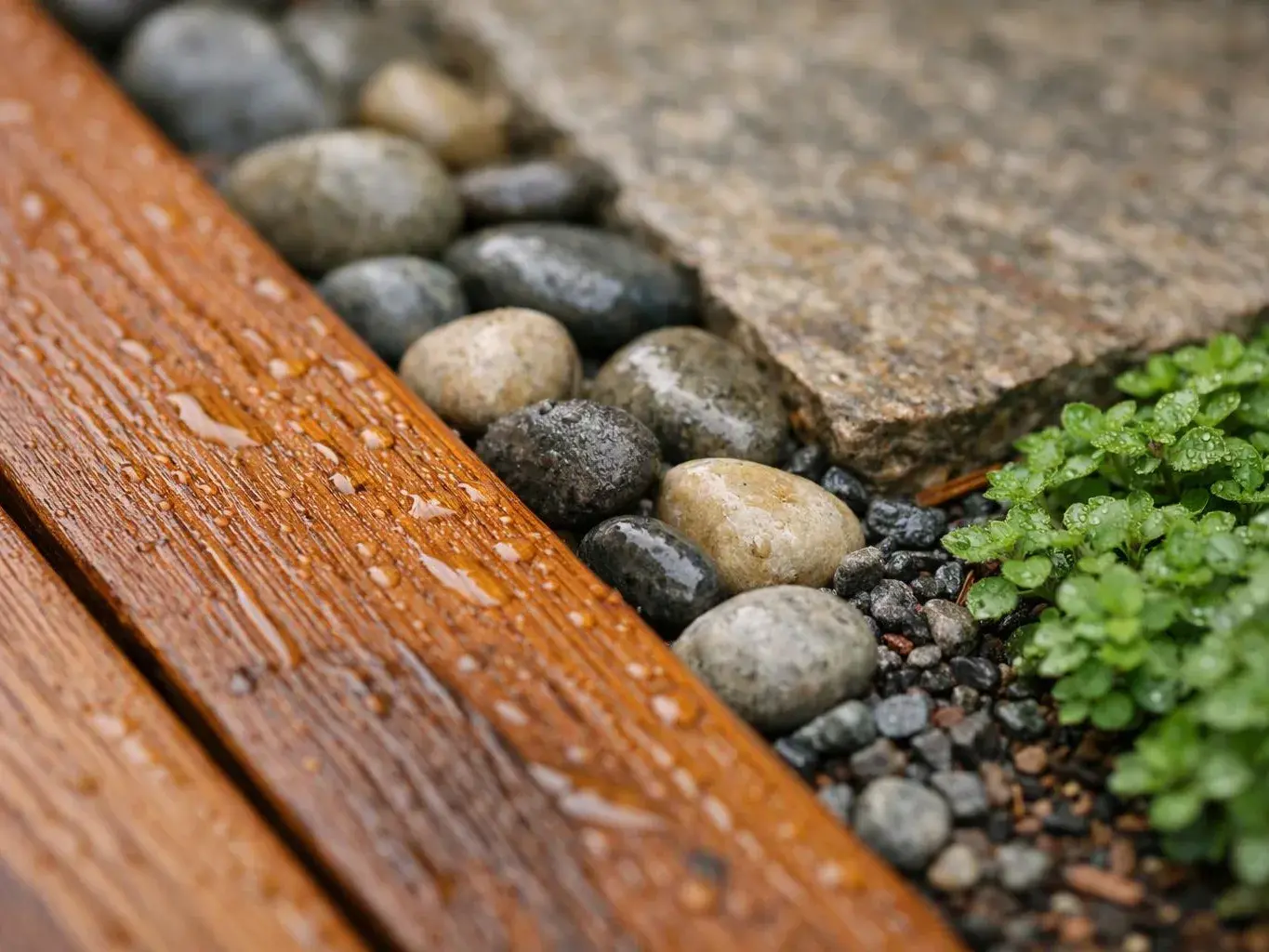
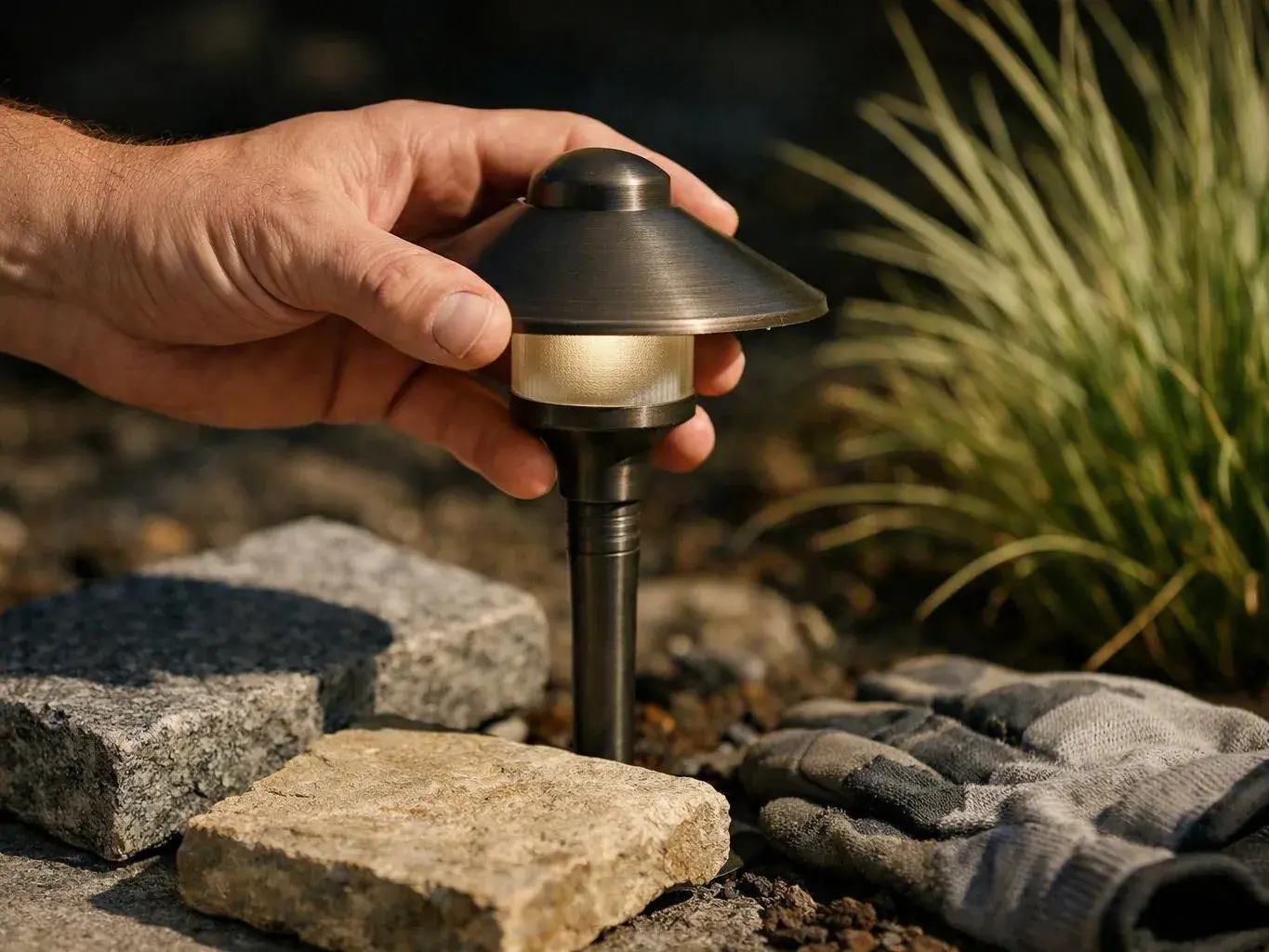
  • We consider how paths, patios, retaining walls, lighting, and other hardscape features affect the rain garden.
  • We explain the concept and guide the project from design through construction and maintenance.
  • We coordinate rain garden planting with broader landscape design when the surrounding yard needs work.

Why Use a Landscape Architect-LED Planting Plan

Moisture zones guide plant choices

The planting plan separates wetter and drier areas before we choose plants. This service is the wrong job when the main issue is a failed drain, unstable retaining wall, or unsafe slope that needs repair first.

Design and construction stay connected

Our design-to-build process links the planting plan with grading, materials, paths, and hardscape details. That keeps the rain garden tied to how the rest of the property works.

Formal training supports site decisions

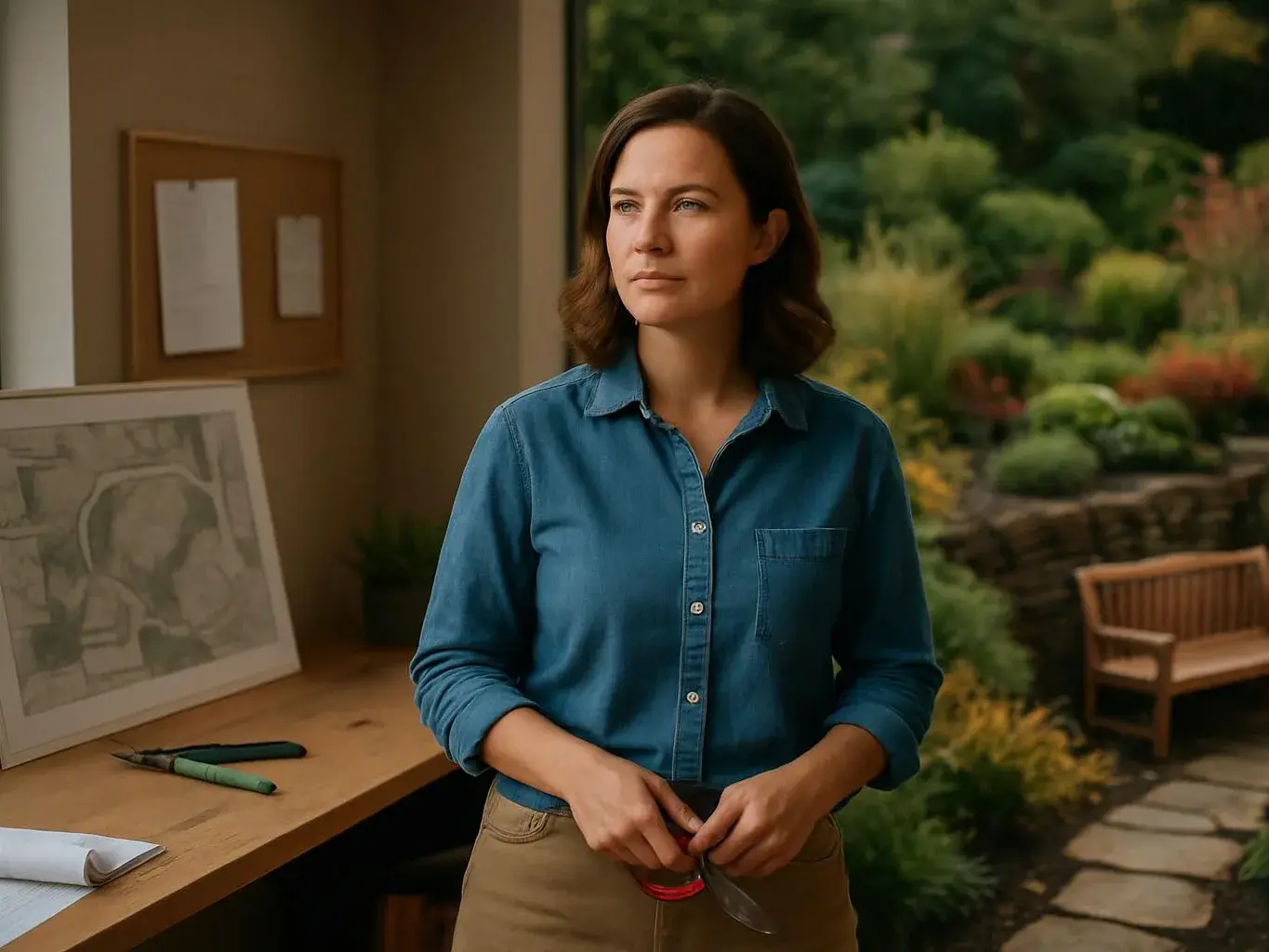
Adam Gorski is a certified landscape designer and Cornell University Landscape Architecture graduate. Our trained employees also include people with bachelor's degrees in landscaping-related fields.

Process

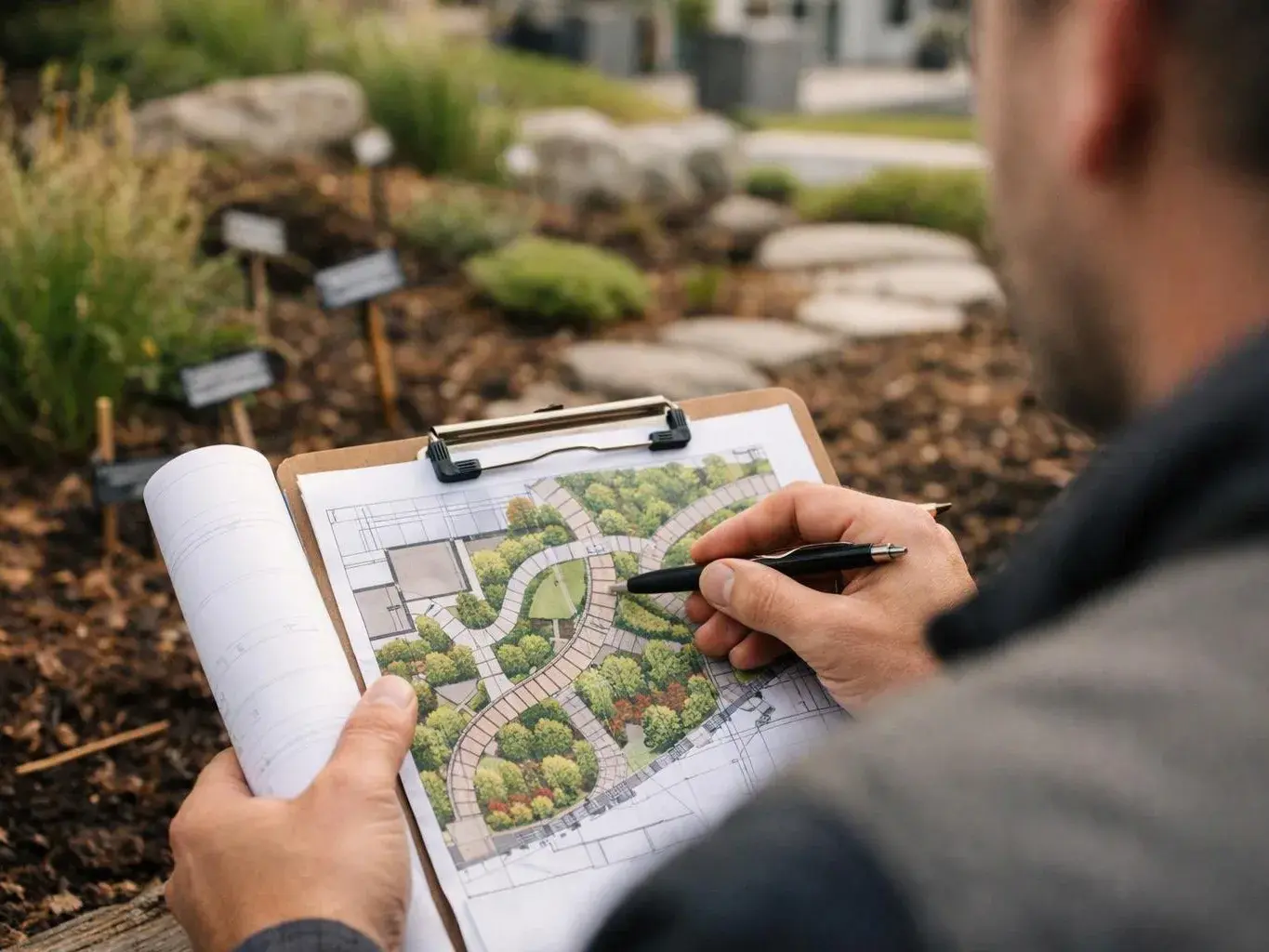
How We Plan a Rain Garden for the Site

1

Review the property and water flow

We inspect soil, slopes, drainage paths, existing plants, and the way the rain garden relates to the home.

2

Separate wet and dry planting zones

We map areas that hold moisture longer and areas that drain sooner before selecting plant groups.

3

Build the planting concept

We place wetland plants, native sedges, deep-rooted plants, and drier-zone choices where their needs fit the site.

4

Connect planting to construction

We review grading, paths, patios, retaining walls, materials, and access when those features affect the rain garden.

5

Guide installation and care

We explain the completed concept and guide the project through construction and maintenance.

What Better Plant Matching Changes

Plant selection follows moisture levels instead of treating the whole bed as one growing zone.

A clear layout helps you understand where runoff moves and where each plant group belongs.

The design connects the rain garden to the home's paths, patios, and other outdoor spaces.

A planned planting bed gives maintenance work a clear structure as plants establish.

Plant Choices by Rain Garden Moisture Zone

This table compares planting roles so you can see why one mix may not suit the whole bed.

Planting zoneSuitable plant roleWhat we check
Drier upper areaDrought tolerant plantsSoil drainage and drying between wet periods
Moist middle areaNative sedges and deep-rooted plantsMoisture range and soil depth
Wetter lower areaWetland plantsWater hold time and basin conditions

Our Standard

  • Collaborative Process
  • Site-Specific Planning
  • Documented Communication
  • Ecological Maintenance Planning

Customer Reviews for Rain Garden Design in Algona

5(36 Customer Reviews)View our Google Business Profile
Lorraine Reigel
Lorraine Reigel
2 years ago
Verified on Google
If you are looking for a landscape designer with formal credentials and extensive practical experience, Adam is your guy. We couldn't be more pleased with his overall vision and individual plant and design recommendations for our backyard transformation. Thanks to Adam and his talented and hard working crew, our project was completed ahead of schedule, within budget, and to our utmost satisfaction.
B Spence
B Spence
8 months ago
Verified on Google
Adam and his team transformed our front yard, and the results exceeded our expectations. What started as a space overdue for updating is now a bright, well‑designed landscape with vibrant flowers that looked great all summer. We also really appreciate the reduced lawn area, which has made upkeep much easier. The project was completed in just a few days and included the installation of a new underground sprinkler system. Adam’s crew was courteous, detail‑focused, and consistently left the work area clean and organized at the end of each day. We’re extremely pleased with the finished product and wouldn’t hesitate to recommend Adam and his team.
Jason Fiorito
Jason Fiorito
9 months ago
Verified on Google
I had a great experience with Adam Gorski Landscapes. I'm not big on writing reviews, but this company deserves one! From design to build, the process was flawless. Adam and his team exceeded expectations at every turn. We were honest about our budget, and there was no pressure to go over. That was big for us, and something we didn't find with other companies. Equally important was timing and professionalism. They showed up when they said they would, left the site organized and presentable every day, and finished on time and on budget. The work done was amazing, we get compliments on it over and over! I would recommend Adam and his team to friends and family. If you read this and engage with him, you won't be disappointed.

Questions About Rain Garden Planting and Site Design

Which plants suit changing moisture levels in a rain garden?

Drought tolerant plants suit rain garden areas that dry between wet periods. Wetland plants, native sedges, and deep-rooted plants may suit wetter zones when soil and basin conditions support them. Plant selection follows the site's moisture pattern, not a fixed list. A site review helps separate wet, moist, and drier areas before the planting plan is set.

What should I prepare before the first site assessment?

Photos of runoff, standing water, existing plants, and nearby hardscape help prepare for the first assessment. Note where water enters the area and where it moves after rain. Existing landscape plans can also help. Access to the property matters because the review covers soil, slopes, drainage, and the rain garden's relationship to the home.

When is a rain garden the right landscape service?

A rain garden fits a site where planted soil can receive and manage runoff. The service may not fit when the main problem is an unsafe slope, failed retaining wall, blocked drain, or damaged hardscape. We inspect the condition first, then explain whether planting, grading, drainage work, or another landscape service best matches the property.

How does the site visit shape the planting plan?

The site visit shows where water moves, how long soil stays wet, and which areas drain sooner. We check slope, soil, basin depth, existing plants, and nearby construction. Those findings guide the division between wetland plants, native sedges, deep-rooted plants, and drier-zone choices. The plan then connects those zones to access and the home's outdoor spaces.

Why can one plant mix fail across the whole rain garden?

One plant mix can fail because moisture, soil depth, and water flow change across the same bed. Lower areas may stay wet while raised edges dry sooner. Our plan places plants by zone and checks how nearby grading or hardscape changes runoff. Regular maintenance still matters as plants establish and conditions become easier to read.

Which landscape work may accompany rain garden planting?

Rain garden planting may connect with grading, drainage work, paths, patios, retaining walls, lighting, or a wider landscape plan. The right added work depends on what the site review finds. We explain how each feature affects water flow and access before adding it to the scope. That keeps the planting plan tied to the property's full outdoor layout.
Contact

Request a Rain Garden Design Quote in Algona

Request a quote for rain garden design in Algona and discuss soil, drainage, moisture zones, and planting goals for your property.

(425) 587-8011