How Professional Landscape Design Can Improve the Way You Use Your Property
Professional landscape design turns outdoor space into a plan that supports living, entertaining, movement, privacy, drainage, and easier care. At LandscaperBellevuewa.com, we use landscape master planning and renovation guidance to connect your goals with the way your property works.
Written by Adam Gorski · 29 years of local experience
Request an Estimate
What Are the Benefits of Professional Landscape Design?
Professional landscape design makes outdoor space easier to use by connecting layout, plants, surfaces, drainage, and daily activities.
We begin with how you want to use the property. Then we shape the property layout around movement, outdoor living, privacy, and landscape maintenance.
A thoughtful plan helps planting beds, pathways, patios, retaining walls, and drainage areas work together. It also helps prevent design choices that create access problems or difficult upkeep later.
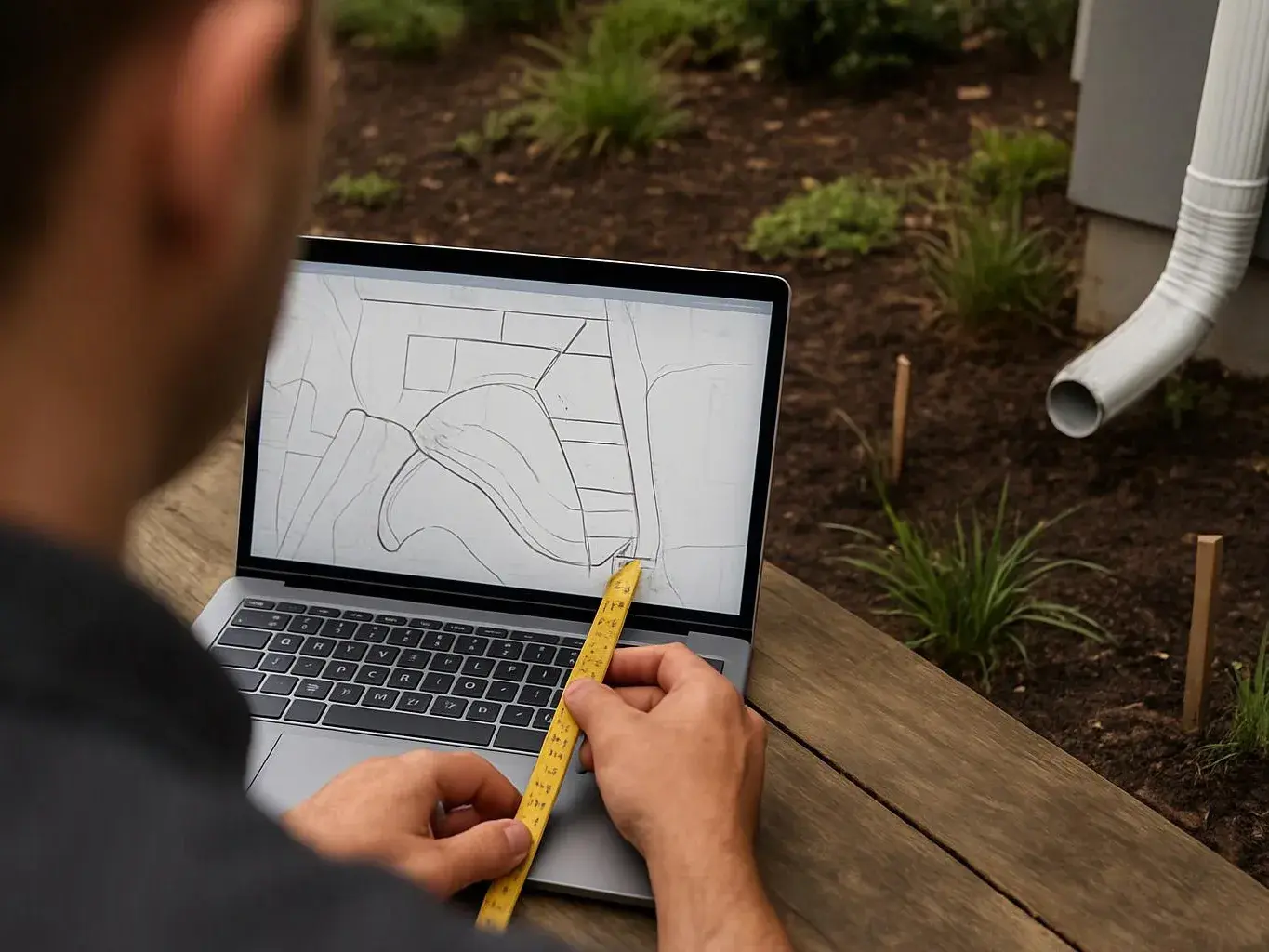
Our team uses site analysis to understand existing conditions before recommending hardscape, softscape, or planting design. The result is usable outdoor space that supports your routines and fits the land.
Written by Adam Gorski.
How Can Landscape Design Improve Outdoor Living?
Landscape design improves outdoor living by placing activity areas where people can use them comfortably and safely.
We connect each zone with clear circulation, practical surfaces, and features that support daily use.
Our team reviews how people enter, sit, dine, and move through the yard. We then align the design with outdoor entertaining and everyday comfort.
How Does a Landscape Plan Support Easier Maintenance?
A landscape plan supports easier maintenance by matching plants, irrigation, spacing, and surfaces to the property's conditions and your available time.
Landscape maintenance becomes more manageable when plant selection fits the soil, light, moisture, and exposure. We also consider mature plant size so crowded beds don't create avoidable pruning work.
Plant spacing affects air movement, access, and future growth. Mulch can help protect soil and reduce exposed planting areas that need frequent care.
Our team reviews irrigation needs and groups plants with similar water requirements. We also plan for seasonal care, including pruning, bed cleanup, and plant replacement.
Low-maintenance landscaping doesn't mean no maintenance. It means the landscape plan matches the time, tools, and care routine you can reasonably provide.
How Can Landscape Design Reduce Stormwater Runoff?
Landscape design can reduce stormwater runoff by directing water safely and using soil, plants, and permeable surfaces to slow absorption.
Stormwater runoff increases when hard surfaces send water quickly toward slopes, structures, or low areas. Our team studies grading, soil, and water flow before choosing a drainage approach.
A rain garden can hold and filter water in a planted area. Permeable paving can also let water move through the surface instead of flowing across it.
Soil improvement may help the ground absorb water more effectively. Plant roots can support erosion control on exposed slopes and around drainage areas.
Drainage design must match the property's grade and existing conditions. Our team reviews where water starts, where it travels, and where it needs safe release.
Can Landscaping Increase Property Value?
Yes, well-planned landscaping can support property value by improving appearance, function, outdoor usability, and perceived care.
Property value can benefit when a yard has clear purpose and strong landscape condition. Usable outdoor space gives the property more ways to support relaxing, entertaining, and daily life.
Curb appeal starts with the front yard, entry path, planting design, and visible maintenance. A balanced front yard design can make the home feel cared for before someone enters.
Design quality also affects buyer perception. Connected pathways, healthy plants, defined seating zones, and controlled water flow can make the landscape feel useful and dependable.
Our team focuses on lasting function, not surface changes alone. Good planning helps the landscape serve current needs while supporting future property improvement.
Which Landscape Design Service Fits Your Property Goals?
The right landscape design service depends on your property goals, existing conditions, and project scope.
We can shape a focused improvement or create a connected plan for the full property. The comparison below shows where each service fits best.
| Service | Best fit | Typical planning focus |
|---|---|---|
| Landscape Master Planning | Properties needing a connected long-term direction | Property layout, circulation, planting, drainage, outdoor living, and project priorities |
| Landscape Renovation | Existing landscapes that no longer work well | Removing problems, improving function, and updating planting or hardscape |
| Backyard Landscaping | Homes needing better private outdoor use | Patios, seating areas, privacy, shade, circulation, and entertaining |
| Front Yard Landscaping | Properties needing stronger entry appeal | Curb appeal, entry paths, planting design, visibility, and access |
Our Landscape Master Planning service can connect separate goals into one workable direction. We use the project scope to decide which planning details need attention first.
What Happens During Professional Landscape Planning?
Professional landscape planning starts with a site assessment and ends with clear project priorities.
Our Landscape Master Planning process helps prevent disconnected choices. It gives each part of the property a role within the larger plan.
How Do You Start a Landscape Design Project?
Start a landscape design project by describing how you want to use the property, then request a quote based on the site, scope, materials, and design work.
A landscape design consultation gives our team a clear starting point. We review your project goals, property conditions, access, drainage concerns, and desired level of change.
We then define the scope of work and identify whether Landscape Master Planning, Landscape Renovation, backyard landscaping, or front yard landscaping fits the project.
Quote details depend on the site, the design work, selected materials, and the number of areas involved. Contact us through the project consultation form so we can discuss the property and next steps.
Clear planning helps connect your budget, priorities, and intended use before physical work begins.
Questions About Improving Property Use With Landscape Design
What should a landscape design plan include?
A landscape design plan should include the property layout, circulation, planting design, hardscape, drainage, and project priorities. Our team also considers privacy, maintenance needs, water flow, and how each outdoor area will be used.
Is professional landscape design useful for a small property?
Yes, professional landscape design is useful for a small property because limited space needs careful planning. Our team can connect circulation, seating, planting, privacy, and storage without making the yard feel crowded.
How does landscape design improve privacy?
Landscape design improves privacy by placing planting, screens, structures, and seating areas according to sightlines. Our team considers views from the home, yard, pathways, and nearby properties.
How does landscape planning prevent costly changes later?
Landscape planning prevents costly changes later by setting the layout, drainage approach, plant locations, and project order before work begins. Our team checks how each decision affects access, maintenance, utilities, and future improvements.
What should homeowners consider before starting landscape renovation?
Homeowners should consider how the current landscape works, where water moves, which plants need change, and how the space should be used. Our team also reviews access, maintenance needs, project scope, and the order of improvements before renovation begins.