Whole-Property Master Plan or One-Area Landscape Design?
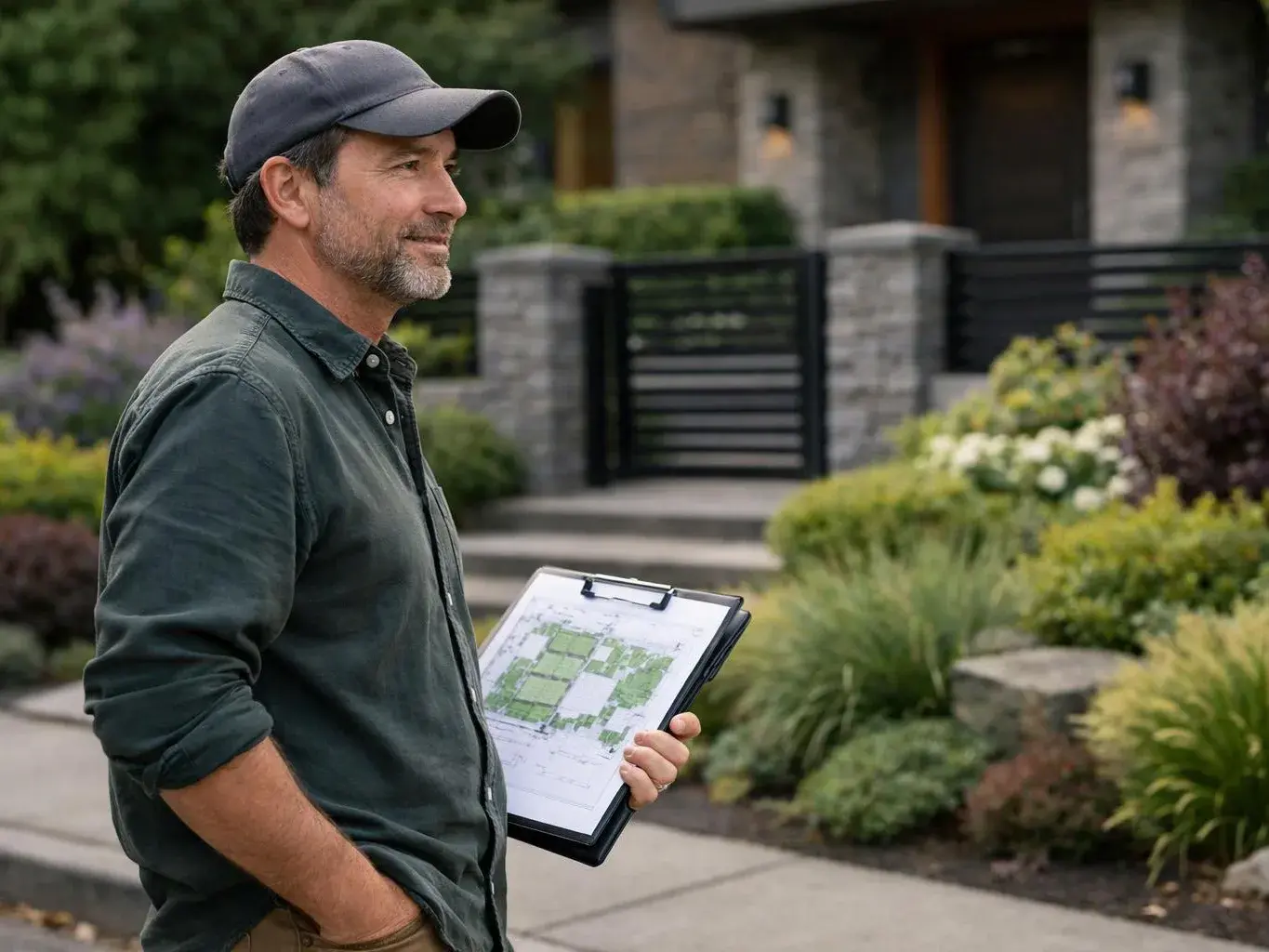
A landscape master plan suits properties that need a connected long-term direction. Single-area design suits one immediate project, and LandscaperBellevuewa.com can help you choose a practical starting point.
Written by Adam Gorski · 29 years of local experience
Request an EstimateWhat’s the Difference Between a Master Plan and Single-Area Design?
Landscape master planning guides the whole property, while single-area landscape design solves one defined outdoor space. The main difference is design scope.
A master plan connects the property layout, circulation, planting zones, hardscape, and future improvements. A single-area design focuses on one outdoor space, such as a front yard, backyard, patio, or garden.
Our team can help you review the larger property before choosing a starting point. You can also begin with one area when the immediate need is clear.
Landscape Master Plan vs Single-Area Design at a Glance
A whole-property master plan requires broader planning, while single-area design keeps the decision focused on one space. The right choice depends on how many areas need to work together.
| Factor | Whole-Property Master Plan | Single-Area Design |
|---|---|---|
| Project scope | Covers the property layout and connected outdoor spaces. | Covers one defined outdoor space. |
| Cost drivers | More areas, site conditions, design detail, and future planning can increase the scope. | Fewer areas can keep the design scope more focused. |
| Project timeline | Planning covers more decisions and may support several project phases. | Planning centers on one project and its immediate decisions. |
| Maintenance | Maintenance needs can be coordinated across the property. | Maintenance planning focuses on one area. |
| Best fit | Properties with several connected outdoor goals. | Homeowners with one clear outdoor priority. |
What Does a Residential Landscape Master Plan Include?
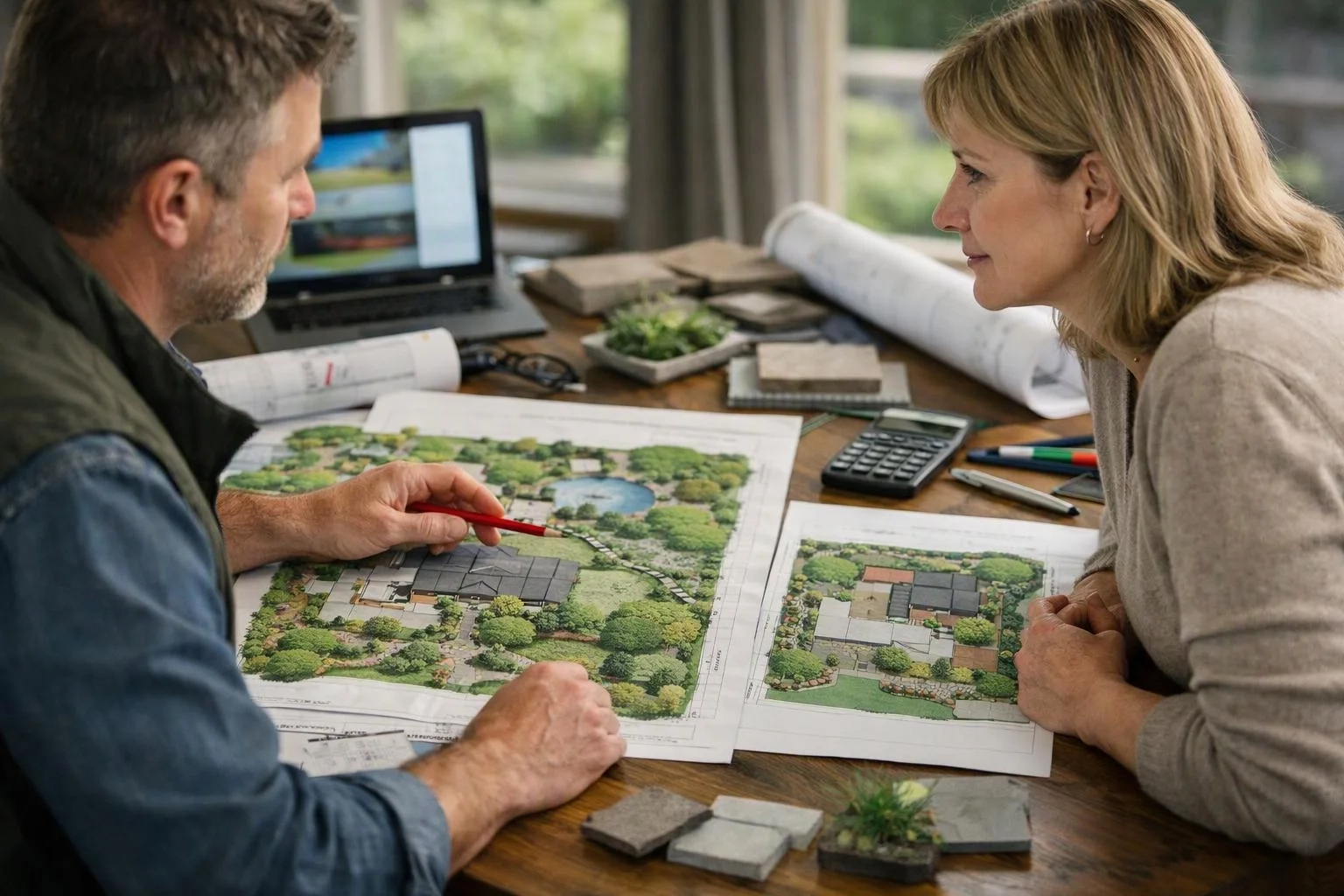
A residential landscape master plan is a property-wide design that connects outdoor spaces, circulation, planting, and future phases.
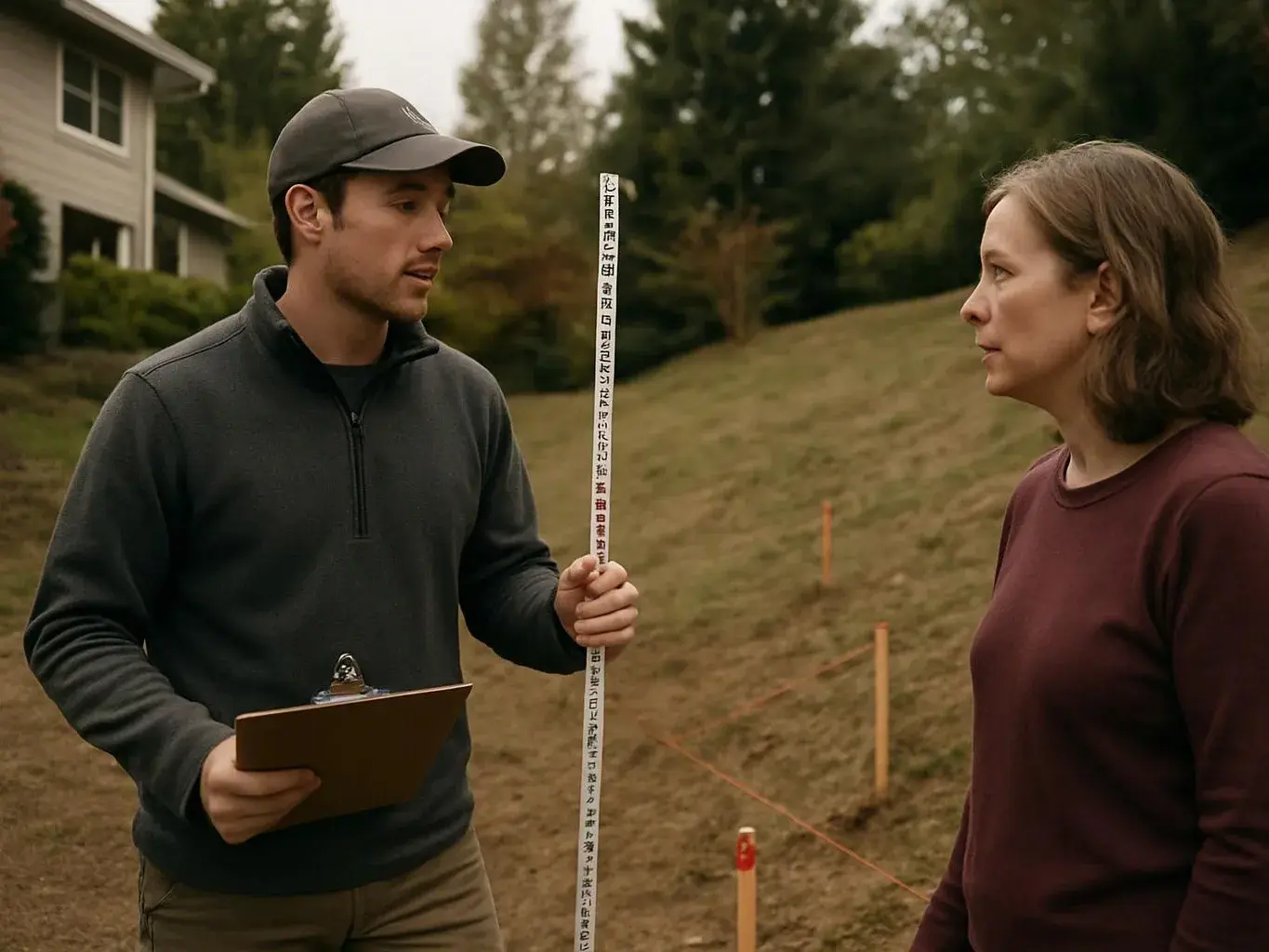
Our site assessment reviews the property layout, existing conditions, access, and problem areas. We consider grading, drainage, irrigation, sunlight, and the way people use each outdoor space.
The plan can organize planting zones, paths, patios, retaining walls, lighting, and outdoor living areas. It can also show how hardscape and planting design should work together.
Phased implementation lets you sequence landscape installation around your priorities. A maintenance plan can also guide plant selection and long-term care.
Our Landscape Master Planning service helps connect these decisions before individual projects begin.
Why Choose a Whole-Property Landscape Master Plan?
A whole-property master plan suits homeowners who want several outdoor areas to work as one system. It creates a shared direction before individual improvements begin.
Best for: homeowners with several outdoor goals, complex site conditions, or a long-term vision.
Why Choose Single-Area Landscape Design?
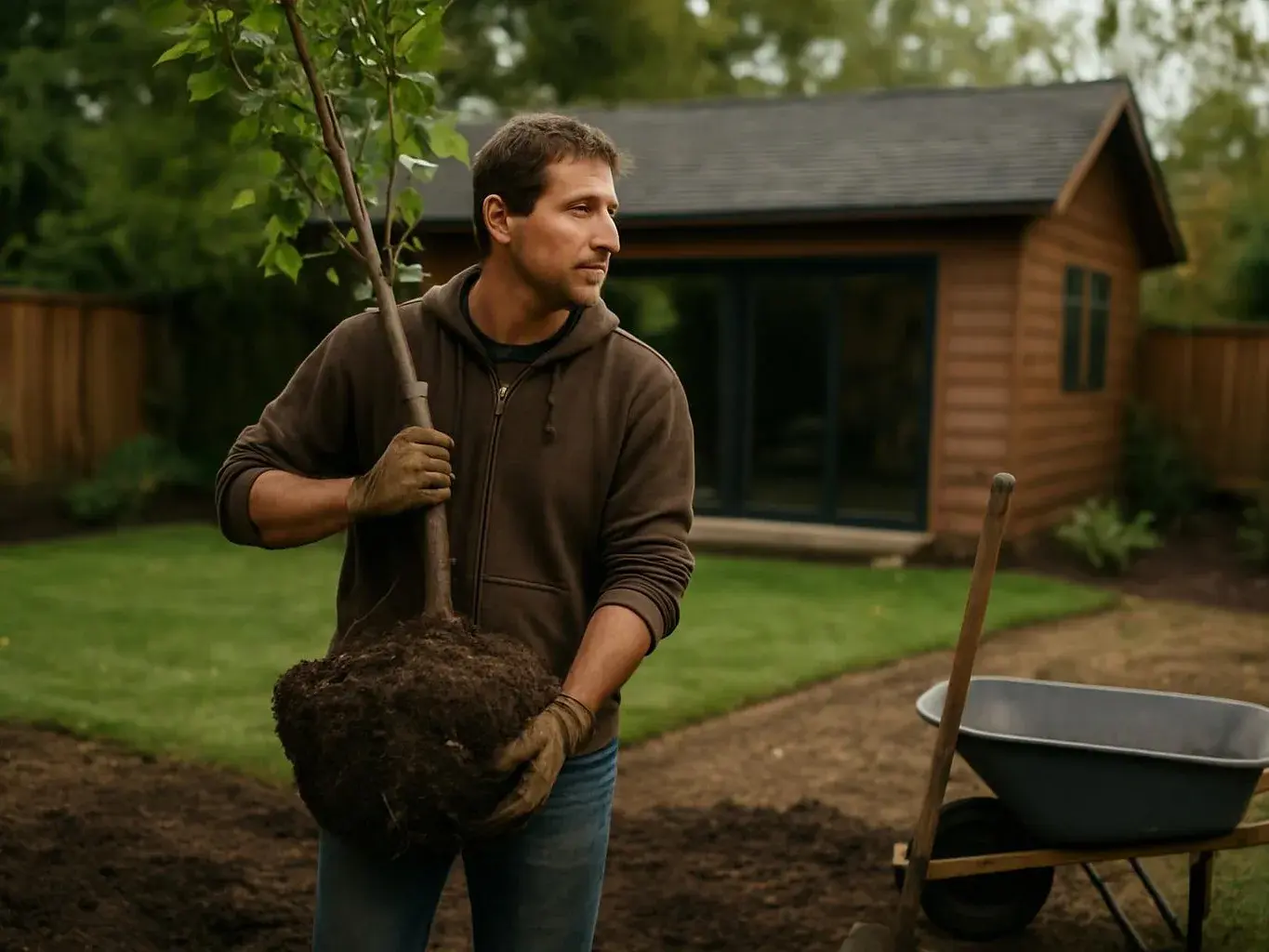
Single-area landscape design suits homeowners with one immediate outdoor need. It keeps the project focused on the space that matters most right now.
Best for: homeowners who have one clear priority and don't need property-wide coordination yet.
Which Option Fits Your Property and Goals?
Choose a master plan when several areas must work together, and choose single-area design when one space is the clear priority.
Property size matters, but site complexity matters too. Slopes, drainage concerns, irrigation needs, access, and existing hardscape can make a small property require broader planning.
Consider your current outdoor problems and your future improvements. A master plan may fit when you expect several connected projects, while one-area design may fit when your budget and priorities center on one space.
We review your property priorities with you and define a design scope that matches the work you want to plan.
Can You Landscape One Area at a Time With a Master Plan?
Yes, a master plan can guide one-area projects over time while keeping later improvements connected.
Our team can use the plan to set project sequencing around access, drainage, irrigation, planting, and outdoor living goals. Each single-area installation can then support the larger property layout.
Phased implementation also helps protect design consistency. Later work can follow the planned circulation, planting zones, materials, and maintenance needs.
How We Help You Choose the Right Design Scope
Our team helps define the right scope by reviewing the site, your goals, and the order of your priorities.
We also explain what the design includes, such as planting design, hardscape planning, circulation, irrigation, and drainage coordination.
What Changes the Cost of This Design Decision?
The cost depends on property scope, site conditions, design detail, and the outdoor features included; we provide an exact quote after reviewing the project.
Property size and site complexity can expand the work involved. Slopes, grading, drainage, irrigation, access, and existing structures can also affect the design process.
Hardscape scope, planting scope, outdoor living features, and phasing add different planning needs. A whole-property plan usually involves more decisions than a focused one-area design because it coordinates more spaces.
Our quote should clearly identify the design scope, site review, drawings or planning details, included features, and any requested project phases. You can request a project consultation through our contact page.
Plan the Right Starting Point for Your Landscape
Landscape master planning, front yard landscaping, backyard landscaping, and garden design can all start with a clear project priority.
Our team can help you decide whether the property needs a connected plan or a focused outdoor improvement. We review the site, clarify the design scope, and outline a practical path forward.
Bring your goals, problem areas, preferred outdoor uses, and ideas for future improvements to the project consultation. We’ll use that information to shape the right starting point.
Author: Adam Gorski
Questions About Landscape Design Scope
Do I need a landscape master plan for a small yard?
A small yard may need a landscape master plan when several areas must work together. Single-area landscape design may fit better when one space has a clear priority.
Should I design my whole yard at once?
You should design the whole yard at once when future areas depend on shared circulation, drainage, irrigation, or planting decisions. One-area design can be the smarter starting point when one project clearly comes first.
Can a single-area landscape design include future expansion?
Yes, a single-area landscape design can note future expansion when the larger goals are discussed early. Our team can protect key connections without turning the project into a full master plan.
What should I prepare before requesting a landscape design quote?
Prepare your project priorities, problem areas, preferred outdoor uses, and ideas for future improvements. Photos, property information, and a clear list of desired features can also help our team define the design scope.
Related Resources
Why Plants Keep Struggling in the Same Part of Your Yard
What's RequiredA Checklist for Investigating Water Near Your Home
What's RequiredA Checklist for Deciding What Needs to Change in Your Landscape
Everything About ItHow Professional Landscape Design Can Improve the Way You Use Your Property