Landscape-Based Stormwater Management for Residential Sites
Residential stormwater management landscape design combines grading, soil improvement, planting, and runoff features to slow, spread, and absorb rainwater. At LandscaperBellevuewa.com, we plan these elements as one connected site system.
Written by Adam Gorski · 29 years of local experience
Request an EstimateWe connect landscape design with stormwater runoff control across the residential site. Our approach uses green infrastructure to slow water flow, guide surface water safely, and support soil absorption.
Our team considers roof drainage, hardscape, site slope, soil conditions, and planting areas together. This creates a practical water management plan that can also support erosion control and climate resilience.
For a broader service overview, our Stormwater Management Design service connects these planning choices into one coordinated design.
How Can Landscape Design Manage Residential Stormwater?
Residential landscape design manages stormwater by slowing runoff, directing it safely, and helping soil absorb rain.
We shape drainage paths so rainwater moves away from vulnerable areas. Planting areas can hold water briefly, reduce erosion, and improve infiltration.
Green infrastructure works best when each feature matches the soil, site slope, and drainage outlet. Our team plans the system around how water moves across the whole property.
How Do Grading and Planting Affect Drainage?
Landscape grading controls where water flows, while planting helps stabilize soil and improve infiltration.
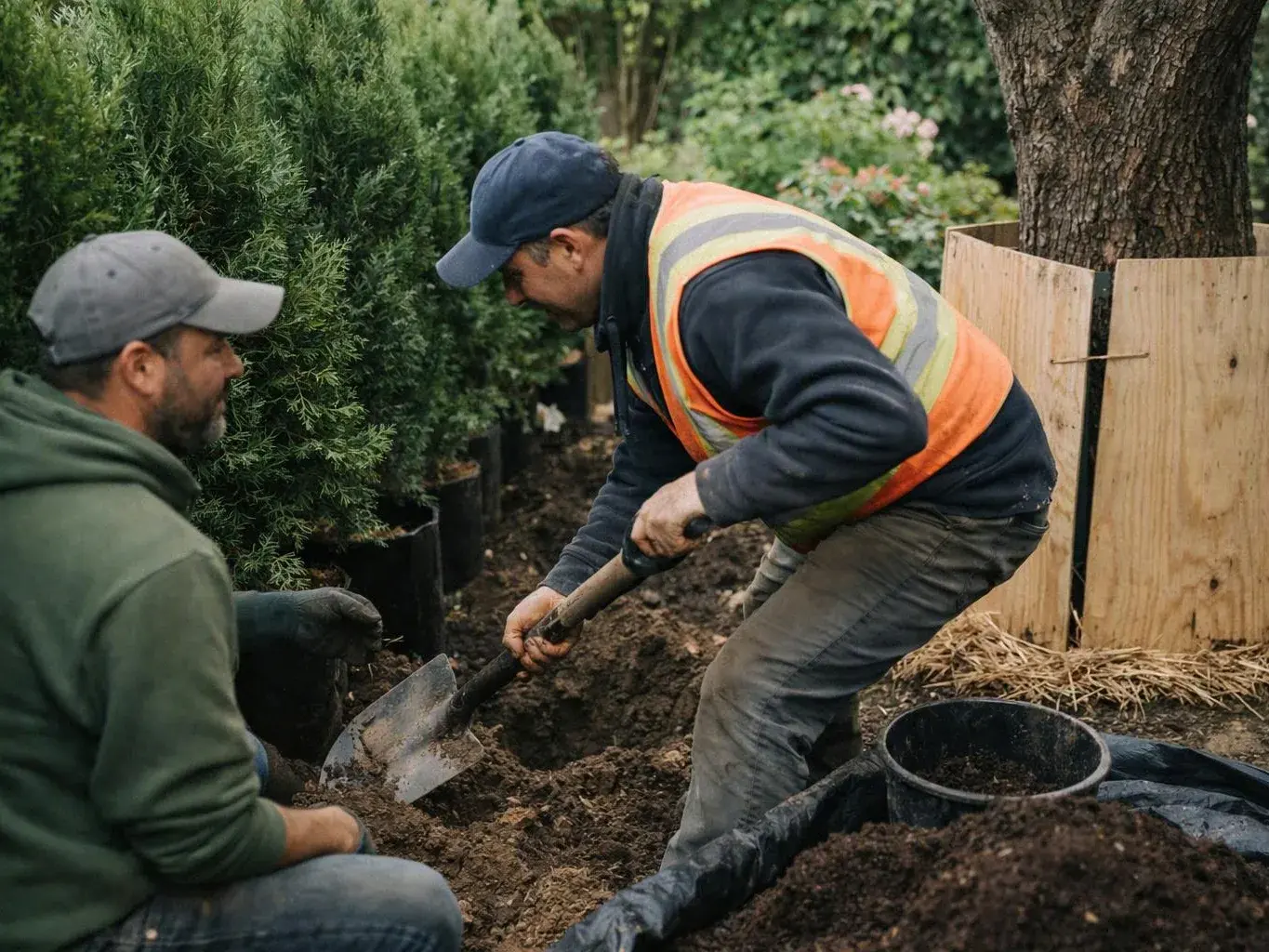
Our team reviews existing drainage patterns before changing grades. Small grade changes can redirect water, protect structures, and reduce standing water in planting areas.
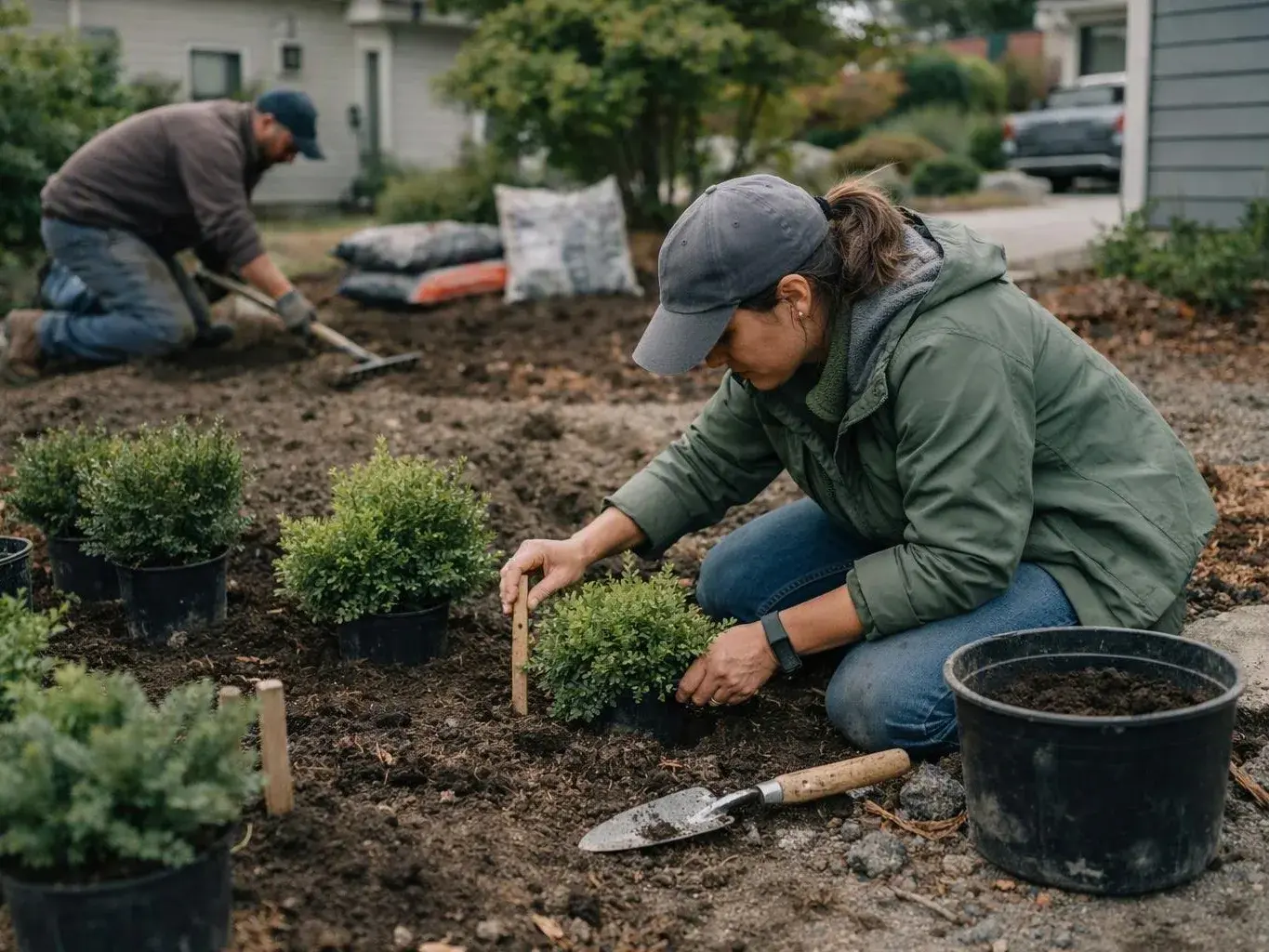
Native plants can support soil stability because their root systems hold soil and create pathways for rainwater. We select planting areas based on soil infiltration, moisture, sunlight, and maintenance needs.
Which Stormwater Landscape Features Fit a Residential Site?
Stormwater landscape features fit a residential site when their size, location, soil needs, and maintenance match the property.
We compare each option with the site's drainage goals and available space. The table shows how common features support residential runoff control.
| Feature | How it helps | Key planning factor |
|---|---|---|
| Rain gardens | Hold and filter runoff in a planted depression. | Soil infiltration and overflow routing |
| Swales and bioswales | Slow and guide water through a shallow vegetated path. | Site slope and drainage outlet |
| Permeable paving | Allows rainwater to pass through the paving system. | Sub-base, soil, slope, and maintenance |
| Infiltration areas | Give water space to soak into suitable soil. | Soil layer and groundwater conditions |
| Rain barrels | Capture roof runoff for later landscape use. | Downspout connection and safe overflow |
| Vegetated buffers | Slow water and trap soil before runoff leaves an area. | Plant selection and flow direction |
We may combine features when one element cannot manage the full drainage path. Our design keeps the planting area, soil layer, paving surface, and outlet working together.
What Are Low-Impact Development Practices?
Low-impact development practices manage rain near where it falls by preserving soil, reducing hard surfaces, and using planted systems.
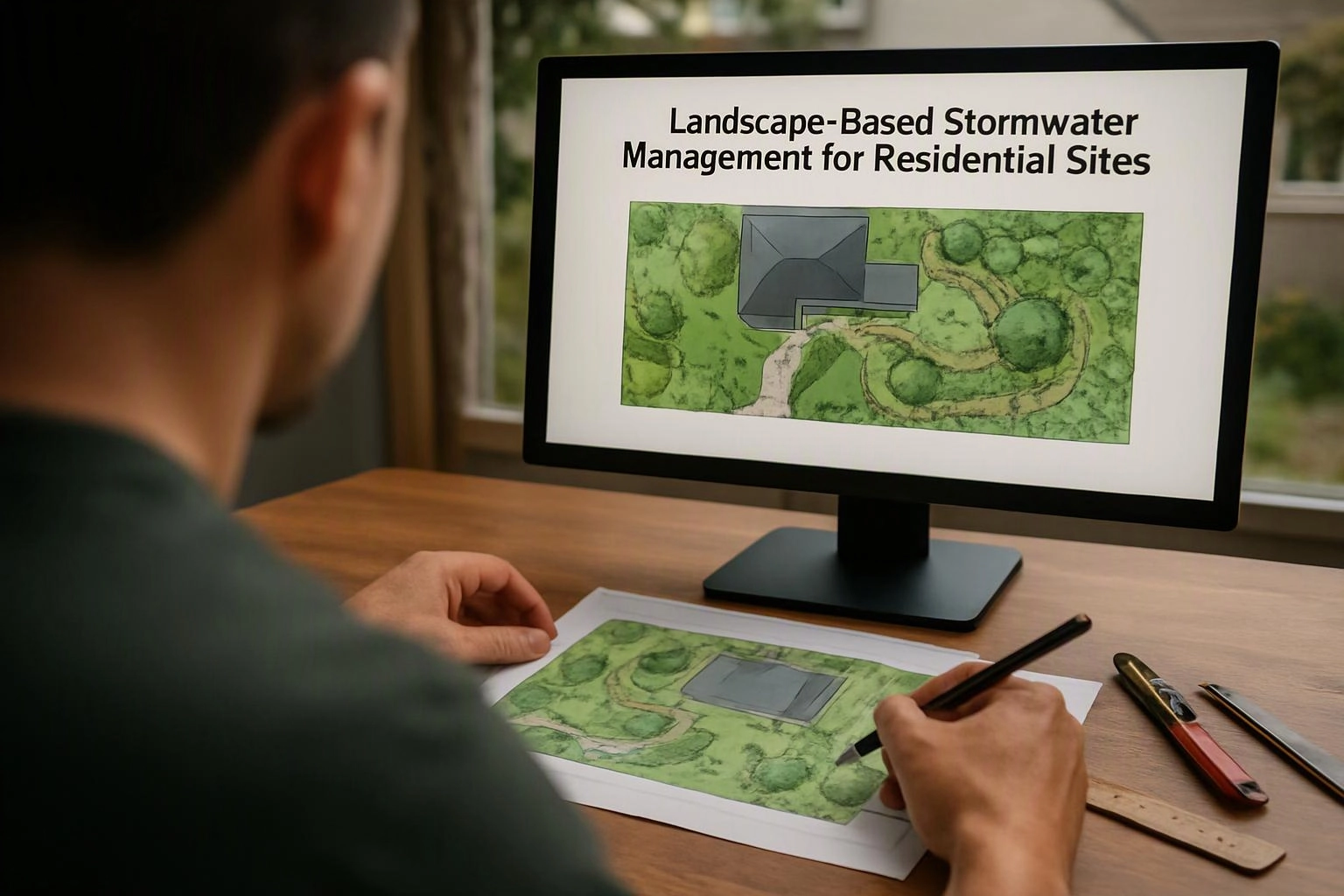
Low-impact development uses source control to reduce runoff before water reaches a drainage system. Our team protects useful soil, limits unnecessary impervious surface, and places green infrastructure close to the source.
These practices can include rain gardens, vegetated areas, downspout dispersion, and permeable paving. We choose the mix based on site conditions, drainage goals, and ongoing maintenance.
Can Permeable Paving Reduce Runoff?
Yes, permeable paving can reduce surface runoff when its base, slope, soil, and maintenance needs suit the site.
Rain passes through the paver joints and into the sub-base. The system then stores and guides water toward suitable soil for infiltration.
Our team checks the paving surface, sub-base, soil conditions, and drainage outlet before including this option. Poor drainage, compacted soil, or neglected joints can reduce performance.
How We Plan Stormwater Management for a Residential Landscape
Our stormwater management design process connects site conditions with grading, planting, and runoff control decisions.
We also consider maintenance from the start. A design performs better when its planting, paving, and drainage features remain accessible for care.
What Changes the Cost of Residential Stormwater Landscape Design?
Residential stormwater landscape design costs depend on site conditions, drainage goals, grading changes, materials, and planting scope.
Site size, existing grades, soil conditions, and drainage problems affect the amount of planning and site work. Hardscape area, planting scope, and design complexity also change the project requirements.
Our quote can define the design scope, selected features, grading work, planting work, and material needs. Contact us with the site's drainage concerns so we can prepare an exact quote for the planned work.
How Do You Start a Residential Stormwater Landscape Plan?
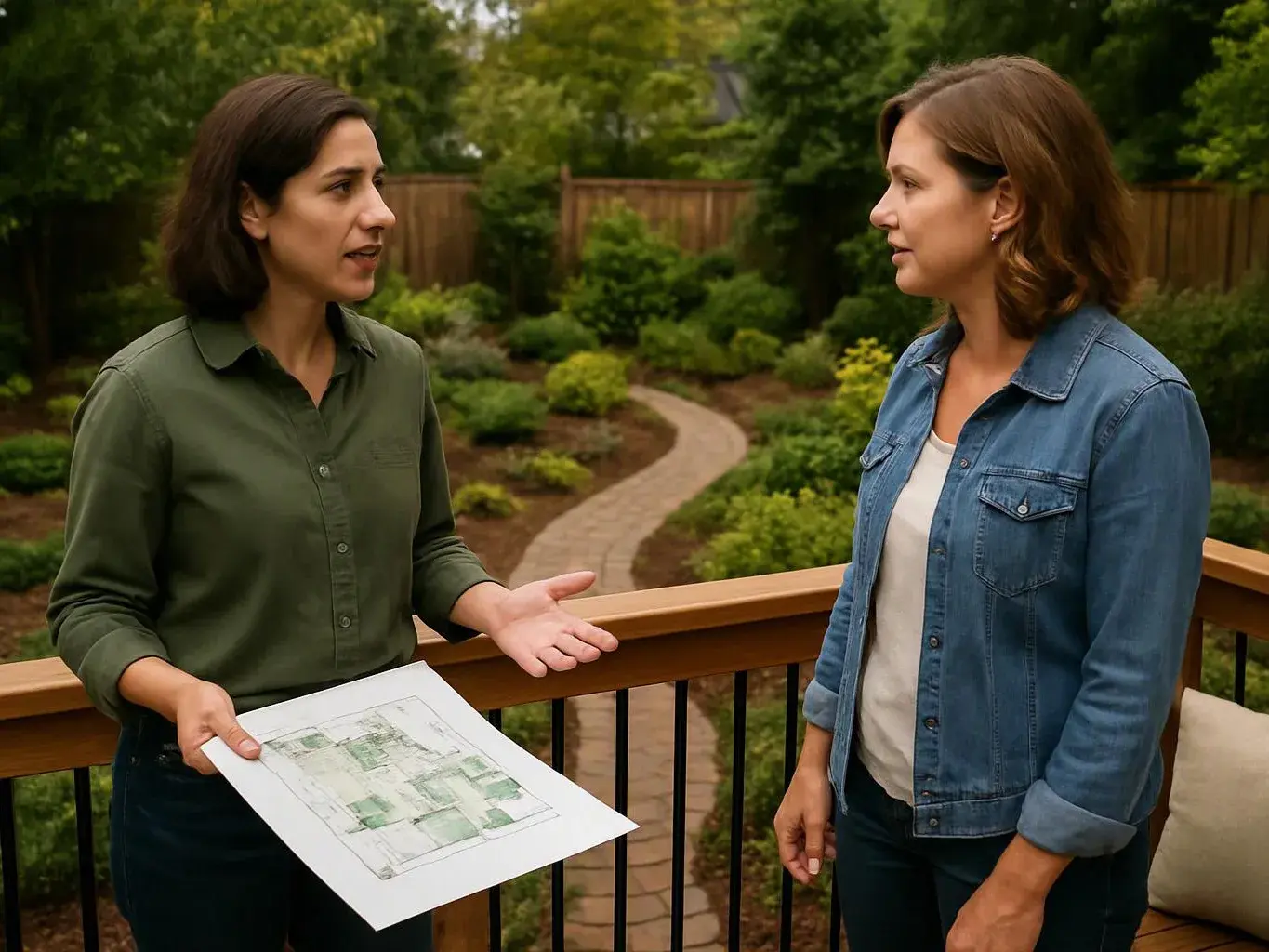
Start by sharing the site's drainage concerns, existing landscape conditions, and goals so we can define the design scope and prepare a quote.
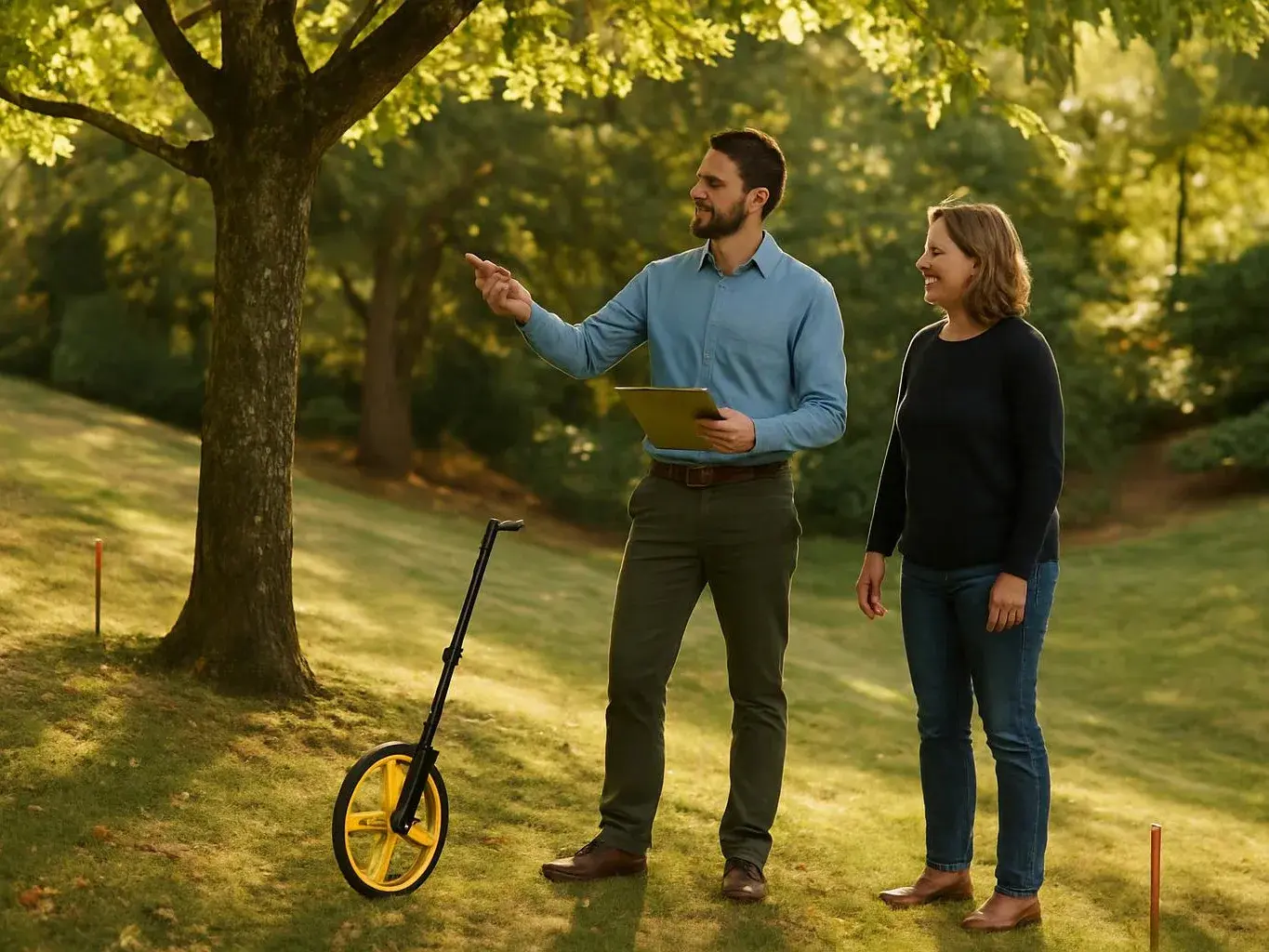
Our project consultation begins with the areas where water pools, flows quickly, or causes erosion. Photos, site plans, and notes about seasonal drainage can help us understand the problem.
We then connect your goals with a drainage assessment, grading plan, planting plan, and suitable green infrastructure. You can contact our team about your project to begin the discussion.
Questions About Residential Stormwater Landscapes
What should I do if water pools near my home's foundation?
Water pooling near a home's foundation needs a drainage assessment before landscape changes begin. Our team reviews grades, downspouts, soil, and the drainage path to identify a safer water route.
Do rain gardens work in small residential yards?
Yes, rain gardens can work in small residential yards when the location, soil, overflow path, and planting plan fit the site. Our team checks available space and water flow before selecting this feature.
How often do stormwater landscape features need maintenance?
Stormwater landscape features need maintenance based on their design, planting, sediment buildup, and seasonal runoff. Our team includes access and care needs in the design so features remain effective.
Can stormwater landscaping help prevent soil erosion?
Yes, stormwater landscaping can help prevent soil erosion by slowing water flow and supporting soil with suitable roots. Our team combines grading, planted areas, and erosion control features for the site's drainage pattern.
Written by Adam Gorski.