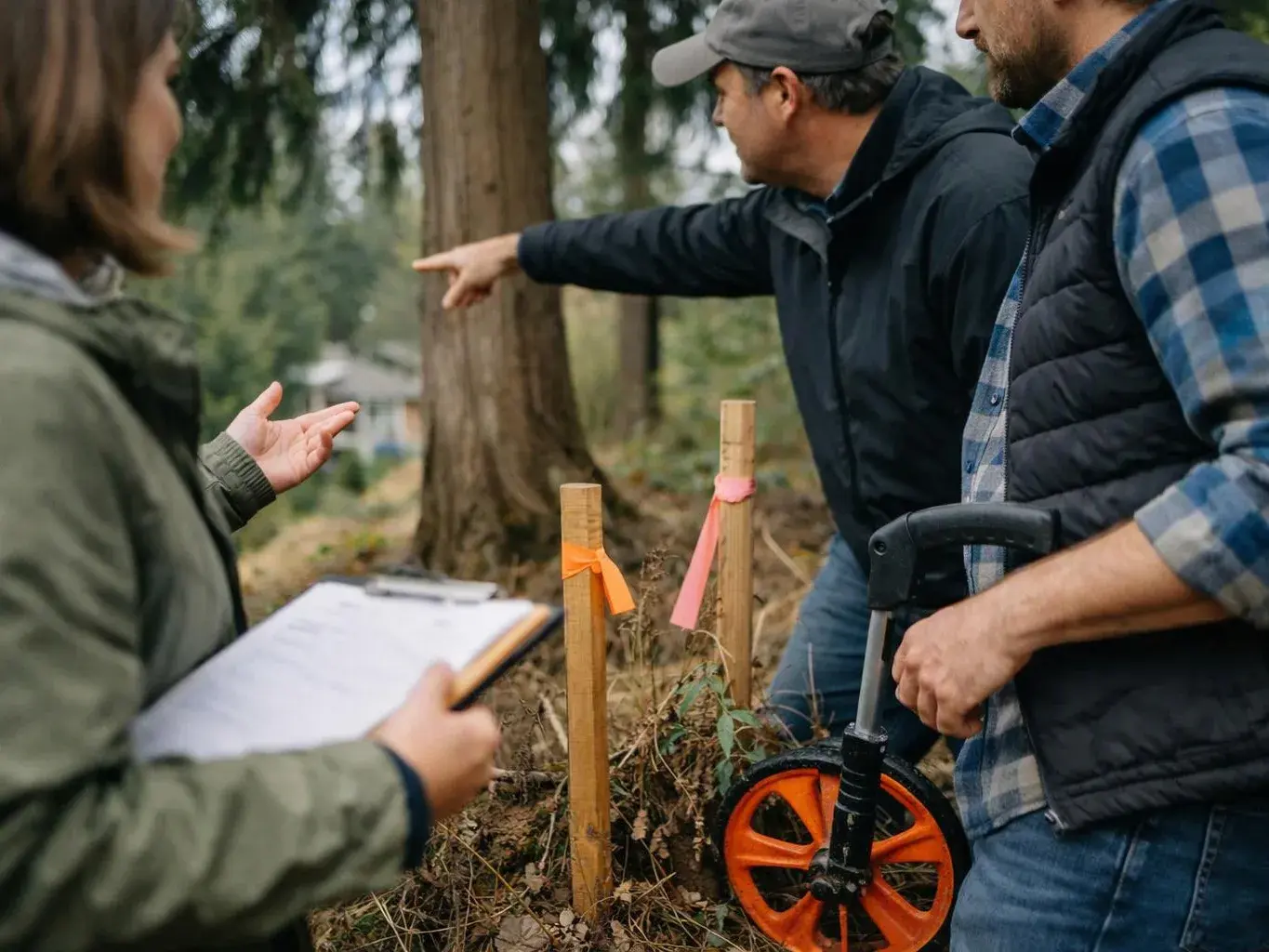
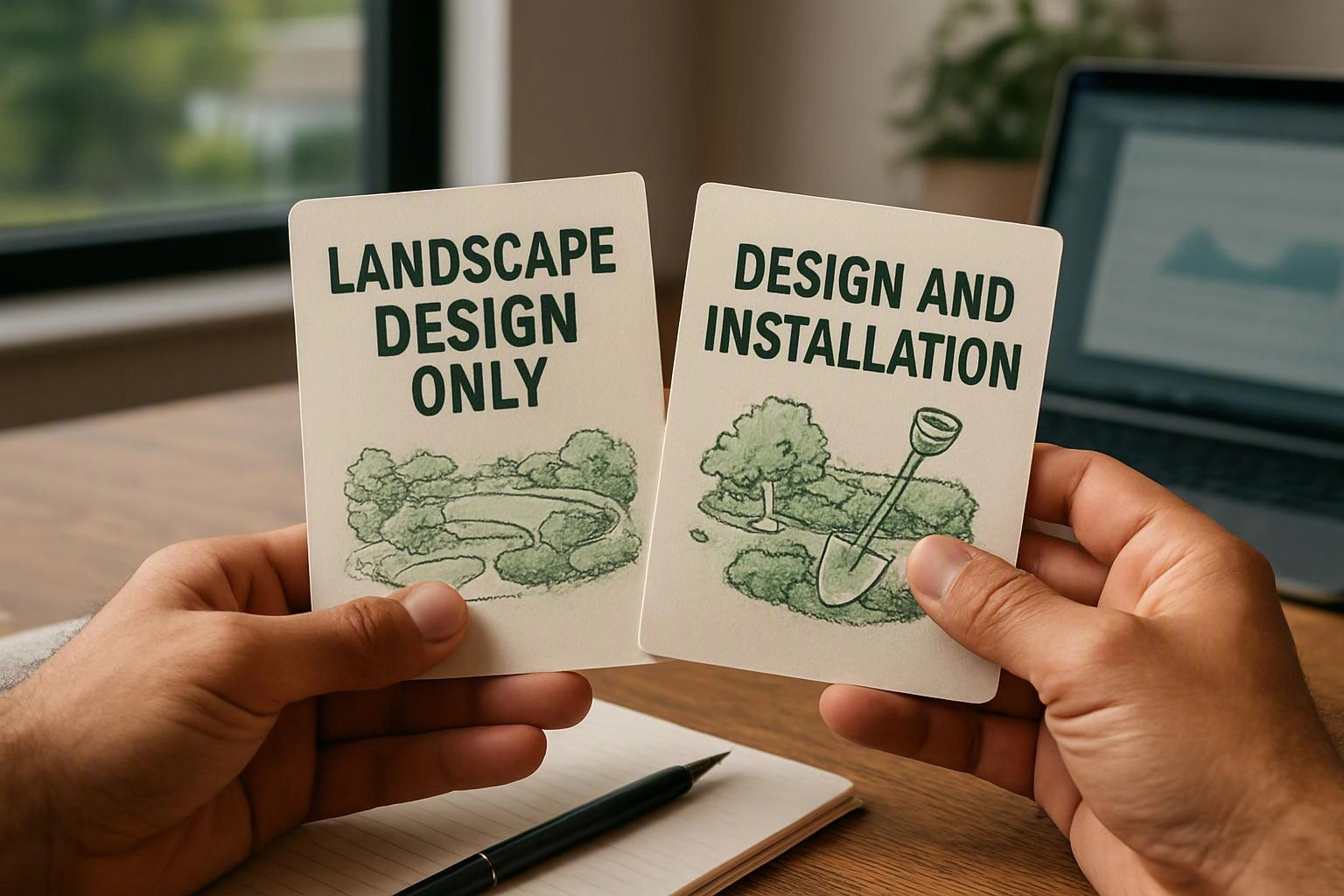
Landscape Design Only vs. Design and Installation
Landscape design only gives you a plan to use with your chosen installer, while design-build combines planning and installation through one team. LandscaperBellevuewa.com can help you choose the right path based on project scope, control, coordination, and how much work you want to manage.
Written by Adam Gorski · 29 years of local experience
Request an EstimateAuthor: Adam Gorski
Landscape design creates the plan, while landscape installation turns that plan into a finished outdoor space. At LandscaperBellevuewa.com, we help homeowners match the delivery method to their goals, site conditions, and preferred level of involvement.
A design-only project can give you more installer choice and phasing control. Design-build landscaping can simplify construction coordination when one team handles the full process.
What’s the Difference Between Landscape Design and Installation?
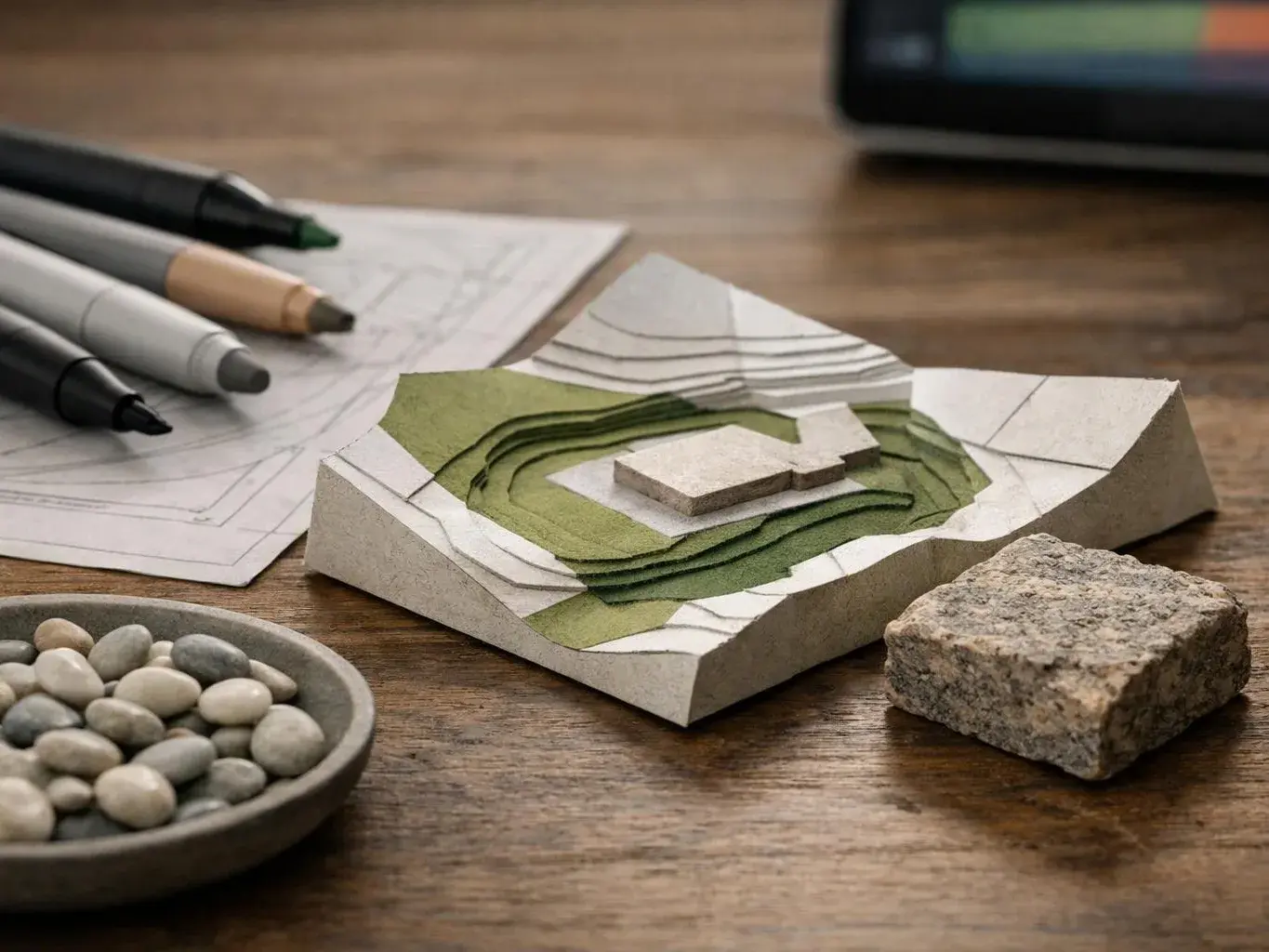
Landscape design is a planning service that defines how an outdoor space should look and function. A landscape plan may show planting areas, paths, patios, drainage needs, irrigation zones, and material choices.
Landscape installation is the construction and planting work that turns those plans into a finished space. The work may include site preparation, grading, hardscape construction, soil preparation, plant installation, and irrigation work.
Design-build landscaping joins both stages through one coordinated team. A landscape architect may focus on planning and form, while a landscape contractor may focus on construction and field coordination. Some teams provide both roles.
Landscape Design Only vs. Design-Build at a Glance
Design-only landscaping gives you control over who carries out the plan. Design-build landscaping gives you one point of coordination from concept through installation.
The right choice depends on project scope, site complexity, homeowner involvement, and maintenance needs.
- Design-only service: Best when you want installer choice, phased landscaping, or a plan for your own coordination.
- Design-build service: Best when you want one team to manage planning, construction, materials, and installation.
| Factor | Design Only | Design-Build |
|---|---|---|
| Project control | You select and coordinate the installation path. | One team manages design and construction decisions. |
| Cost drivers | Design scope, plan detail, site work, and later installation choices. | Design scope, construction work, materials, site conditions, and coordination. |
| Project timeline | Design and installation follow separate scheduling steps. | Planning and construction can be coordinated through one process. |
| Maintenance | Maintenance guidance must be carried into the installation plan. | Maintenance needs can be considered during design and installation. |
| Best-fit project | Phased work, DIY coordination, or an existing contractor relationship. | Full-yard transformations, renovations, and complex hardscape projects. |
What Landscape Design Only Includes
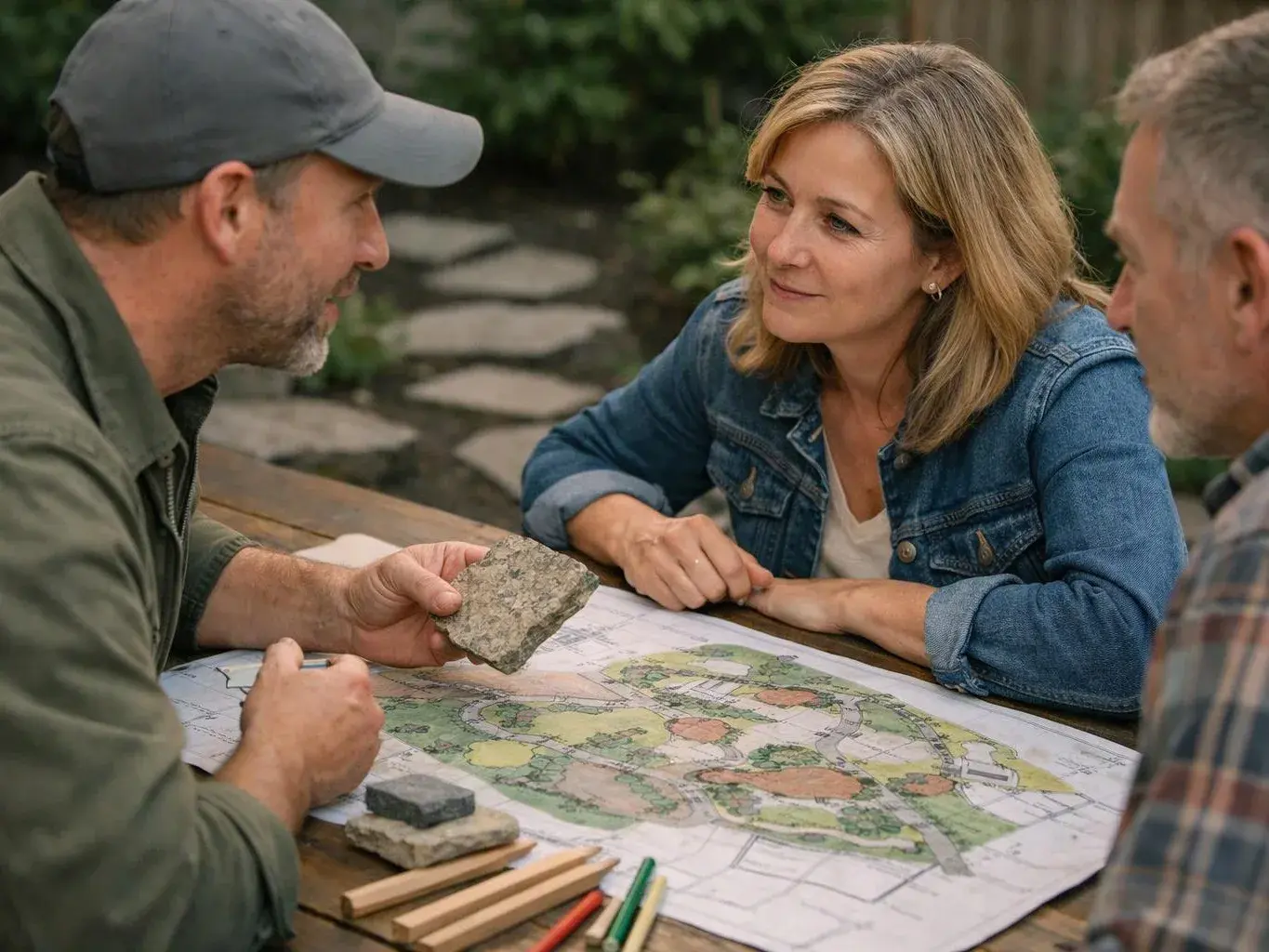
Landscape design only includes the planning documents needed to guide future work. We begin with a site assessment and a discussion of client goals, use patterns, style, budget priorities, and maintenance expectations.
The plan may include a planting plan, hardscape layout, material notes, grading concepts, drainage considerations, and irrigation zones. The final package may also include installation-ready drawings that help crews understand locations, dimensions, materials, and sequence.
Design detail should match the project scope. A simple planting area may need a focused plan, while a full-property project may need several coordinated drawings.
Advantages of Landscape Design Only
Design-only landscaping works well when you want to control the construction path. You can use the plan for phased landscaping, coordinate parts of the work, or keep an existing contractor relationship.
The trade-off is that you manage more handoffs. Questions about material substitutions, site conditions, and plan changes may need separate coordination.
Best for Design-Only Planning
Design-only planning is best for homeowners who want installation flexibility and a clear plan before construction begins. It also suits phased projects, existing contractor relationships, and DIY project coordination.
We recommend confirming that the drawings explain plant locations, hardscape edges, grading intent, drainage needs, irrigation access, and material selections. Clear documents reduce confusion when another crew carries out the work.
What Design-Build Landscaping Includes
Design-build landscaping includes a landscape concept, construction planning, and installation through one coordinated process. Our team connects the design decisions with site preparation, plant installation, hardscape installation, and project coordination.
Construction feedback can shape the plan before work begins. Field conditions may affect grading, drainage, access, material selection, or plant placement, so the design and construction teams can address those issues together.
Installation quality checks help confirm that the finished work follows the approved design and practical site requirements. Work involving electrical, plumbing, gas, or structural elements should be handled by licensed professionals and reviewed under applicable code and inspection requirements.
Advantages of Design-Build Landscaping
Design-build landscaping reduces the number of handoffs between planning and construction. One team can carry design intent into field decisions and explain changes as site work develops.
This approach can be useful when the property has complex grading, drainage, access, or hardscape needs. It can also reduce the coordination work required from the homeowner.
Best for Design-Build Landscaping
Design-build landscaping is best for full-yard transformations, landscape renovations, and complex hardscape projects. It also suits homeowners who want one coordinated process with less day-to-day management.
We review the relationship between the plan and the site before construction starts. That review helps connect planting, hardscape, grading, drainage, irrigation, and maintenance requirements.
Which Option Fits Your Landscape Project?
The best option depends on how much control and coordination your project needs. Use these questions to compare the two paths before requesting an installation quote.
How Cost and Timing Change Between the Two Options
Landscape project cost and timing depend on the design scope, site work, materials, coordination, and installation requirements.
Design scope affects the detail and review work in the plans. Site conditions such as grading, drainage, access, and soil work can add planning or construction needs.
Plant selection, hardscape materials, irrigation, permit needs, and inspection requirements also shape the project. Design-only work separates planning from installation coordination, while design-build connects those decisions through one process.
We prepare an installation quote after reviewing the project scope and site needs. A useful quote should explain included design work, construction tasks, materials, site preparation, coordination, and any known permit or inspection steps.
How Maintenance Planning Differs
Maintenance planning defines how the finished landscape will be cared for after installation. Plant maintenance, irrigation access, pruning needs, seasonal care, and replacement access should guide the plan.
Design-only projects need maintenance requirements written clearly into the landscape plans. The installation team must understand plant spacing, irrigation zones, soil needs, and access points.
Design-build landscaping connects maintenance planning with installation decisions. Our team can consider low-maintenance landscape design goals during plant selection, hardscape layout, irrigation planning, and landscape renovation work.
How We Help You Choose the Right Approach
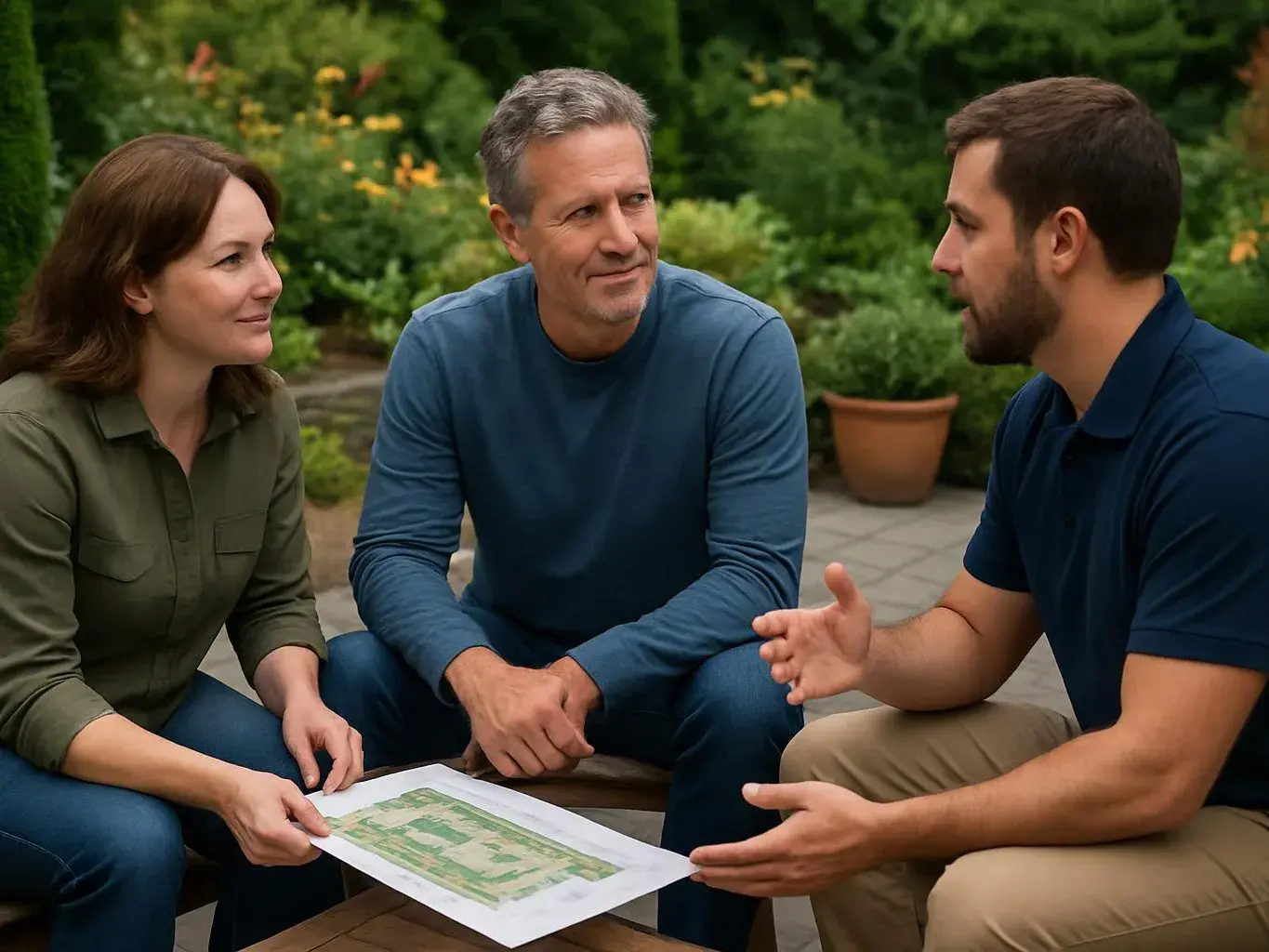
We start with a site review, project goals, and a clear look at the installation scope. Our team then explains whether design-only planning or design-build landscaping better matches the work you want managed.
Our Landscape Master Planning service can organize priorities across the property. We also use Landscape Renovation and Backyard Landscaping planning to connect improvements with access, drainage, irrigation, planting, and maintenance needs.
We use the site assessment to identify practical concerns before quote preparation. That process helps define the drawings, materials, construction coordination, installation tasks, and decisions that belong in the project scope.
Questions About Landscape Design and Installation
Can one company design and install a landscape?
Yes, design-build landscaping allows one team to design and install a landscape. We connect the landscape concept, construction planning, materials, site preparation, and installation through one coordinated process.
Should I hire a landscape architect or a landscape contractor?
The choice depends on whether your main need is planning, construction, or both. A landscape architect may suit a project focused on complex design and site planning, while a landscape contractor may suit a project focused on installation. Design-build landscaping combines both needs through one process.
Should I hire a contractor to carry out landscape plans?
Yes, installation-ready drawings should be carried out by a team that understands site preparation, materials, grading, drainage, planting, and construction coordination. We review the plans and site conditions before preparing the installation scope.
Can landscape design be completed in phases?
Yes, landscape design can be completed in phases when the plan sets priorities and protects future work. We can organize planting, hardscape, drainage, irrigation, and maintenance needs around the planned sequence.
What should landscape plans include before installation begins?
Landscape plans should explain the site layout, planting plan, hardscape design, material choices, grading intent, drainage needs, irrigation access, and maintenance requirements. The level of detail should match the project scope and installation complexity.
Tell us about your property, goals, and preferred level of involvement so we can outline the right planning and installation path.
Related Resources
A Checklist for Investigating Water Near Your Home
What's RequiredA Fall Checklist for Spotting Yard Drainage Trouble
What's RequiredA Checklist for Deciding What Needs to Change in Your Landscape
Everything About ItHow Professional Landscape Design Can Improve the Way You Use Your Property