Signs Runoff Is Washing Soil Out of Your Landscape
Signs of landscape erosion and runoff problems include small ruts, exposed roots, bare soil, muddy water, and mulch washing onto hard surfaces. At LandscaperBellevuewa.com, we use these clues to trace water flow and plan grading, drainage, and green-infrastructure improvements.
Written by Adam Gorski · 29 years of local experience
Request an EstimateWhat Are the First Signs of Landscape Erosion?
The first signs are small channels, thinning soil, exposed roots, moved mulch, and sediment left where runoff slows.
Landscape erosion starts when surface runoff carries soil away from a stable area. Check planting beds, slopes, lawn edges, and hard surfaces after heavy rain.
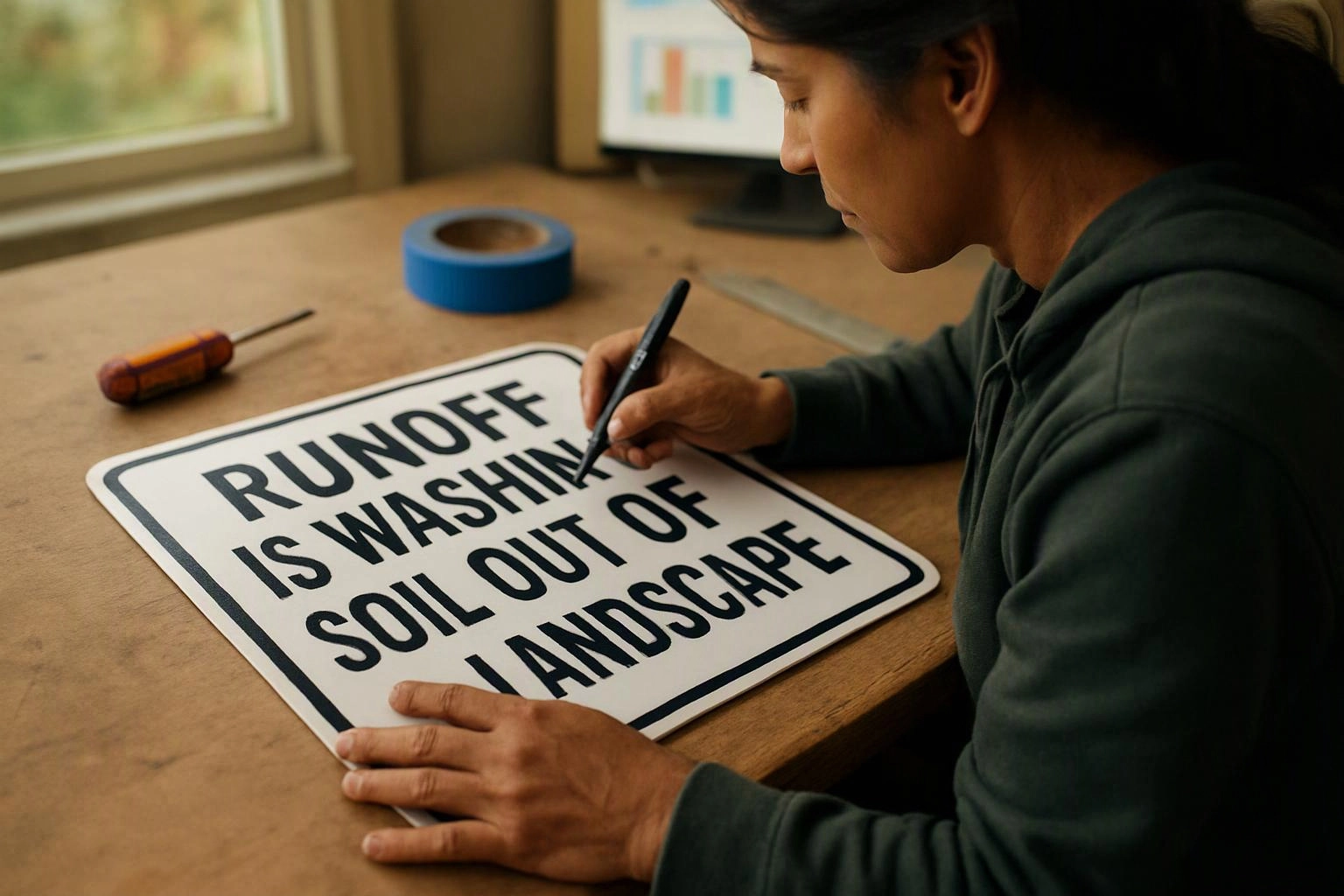
These erosion signs often point to a larger drainage pattern. One storm can reveal a problem that becomes clearer after repeated rain.
Why Does Mulch Wash Onto a Sidewalk After Rain?
Mulch washes onto a sidewalk when runoff gains enough speed to carry loose material downhill.
A landscape slope can direct surface flow toward the sidewalk. Compacted soil can also limit infiltration, so more water moves across the surface.
We look for the flow path above the sidewalk, including downspout discharge and bare areas. The visible mulch is usually a symptom of the larger runoff problem.
What Do Small Ruts in a Yard Mean?
Small ruts mean water is concentrating along a repeat flow path instead of spreading across stable ground.
Ruts can develop where yard grading sends water into a narrow route. Soil compaction can make the route deeper because water cannot soak in easily.
We trace these erosion channels uphill to find the runoff source. The solution may involve grading, improved drainage, stronger soil cover, or a combination of design changes.
Why Are Tree or Shrub Roots Becoming Exposed?
Tree or shrub roots become exposed when runoff removes the soil covering the root zone.
Sheet erosion removes a thin layer across a broad area. Channel erosion cuts deeper paths and can expose roots along one drainage path.
Exposed roots can also show that planting beds are losing topsoil. We assess the root zone, slope, and drainage pattern before recommending erosion control.
What Should You Check After a Storm?
After a storm, check where soil moved, where water pooled, and whether runoff reached paths, structures, or planting beds.
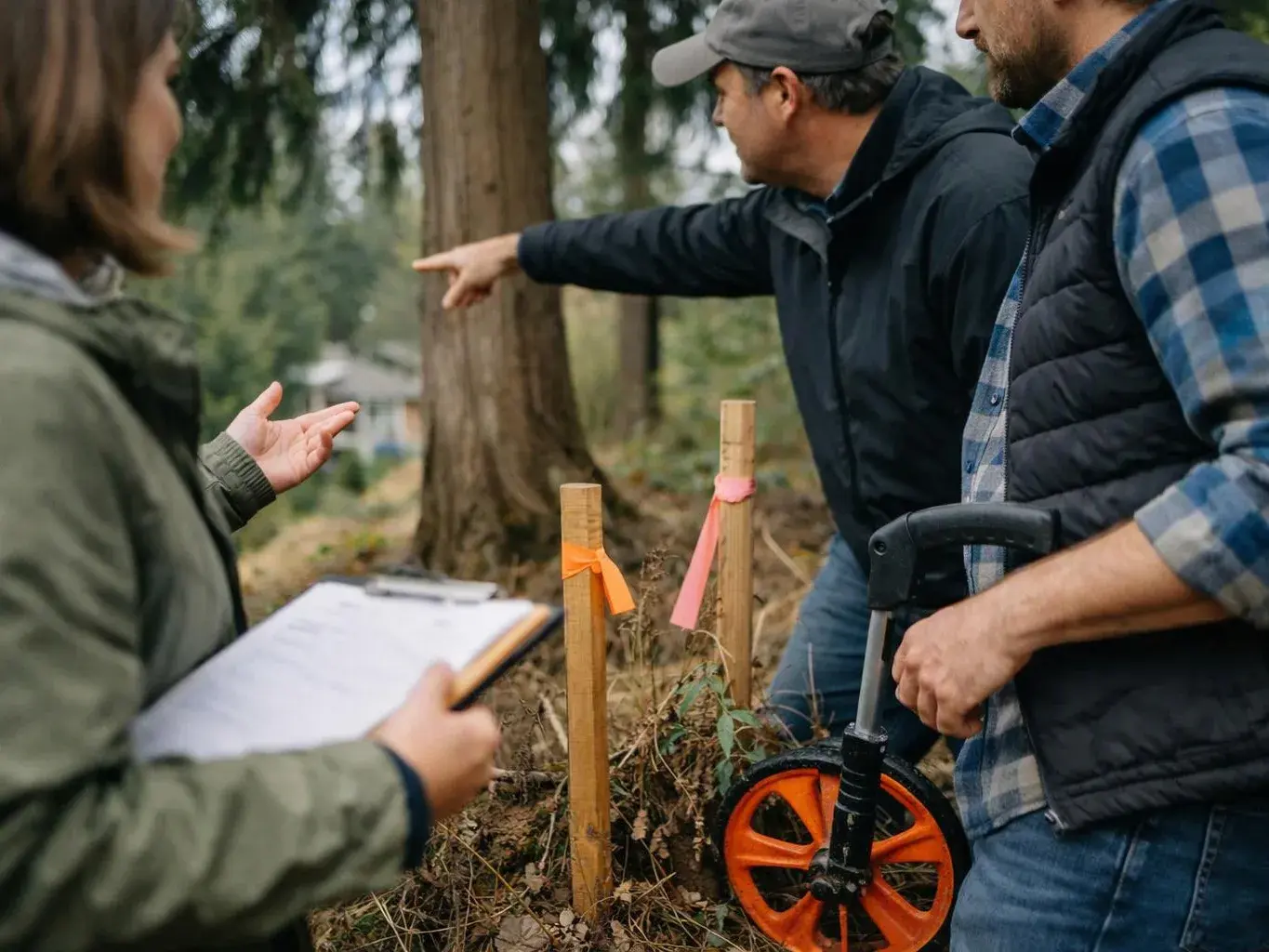
A safe storm inspection helps document runoff damage without disturbing unstable ground. Take notes from a safe location and compare the same areas after later rain.
Share clear observations with our team when the same runoff route appears after each storm. We can connect those clues to landscape drainage and erosion control options.
How We Trace Runoff and Plan Landscape Erosion Control
We trace the runoff source, follow its flow path, assess lost soil, and connect the findings to a practical landscape design.
Our team studies drainage patterns, site slope, soil stability, and the condition of planting beds. We also check how downspouts, hard surfaces, and drainage outlets affect stormwater flow.
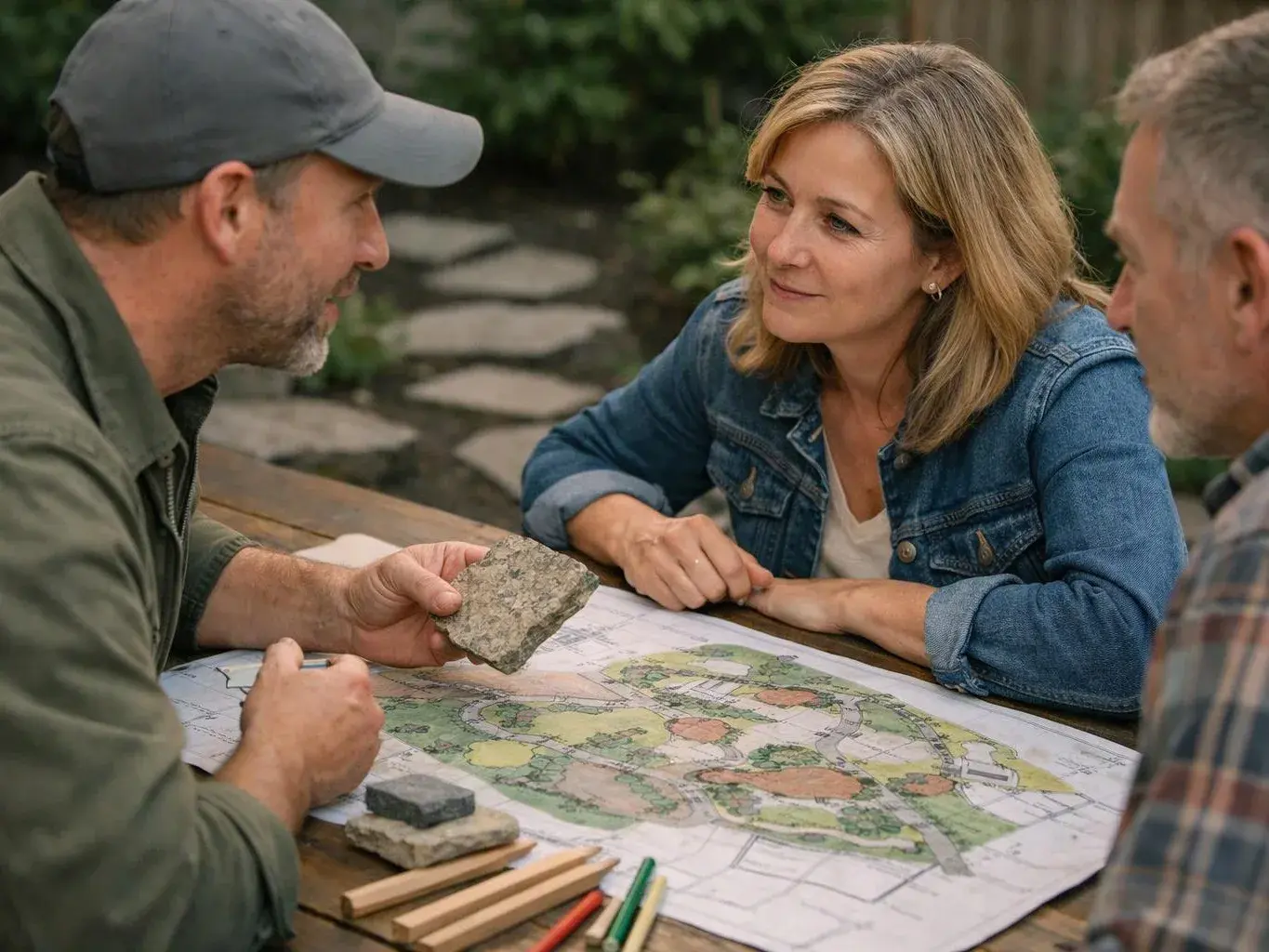
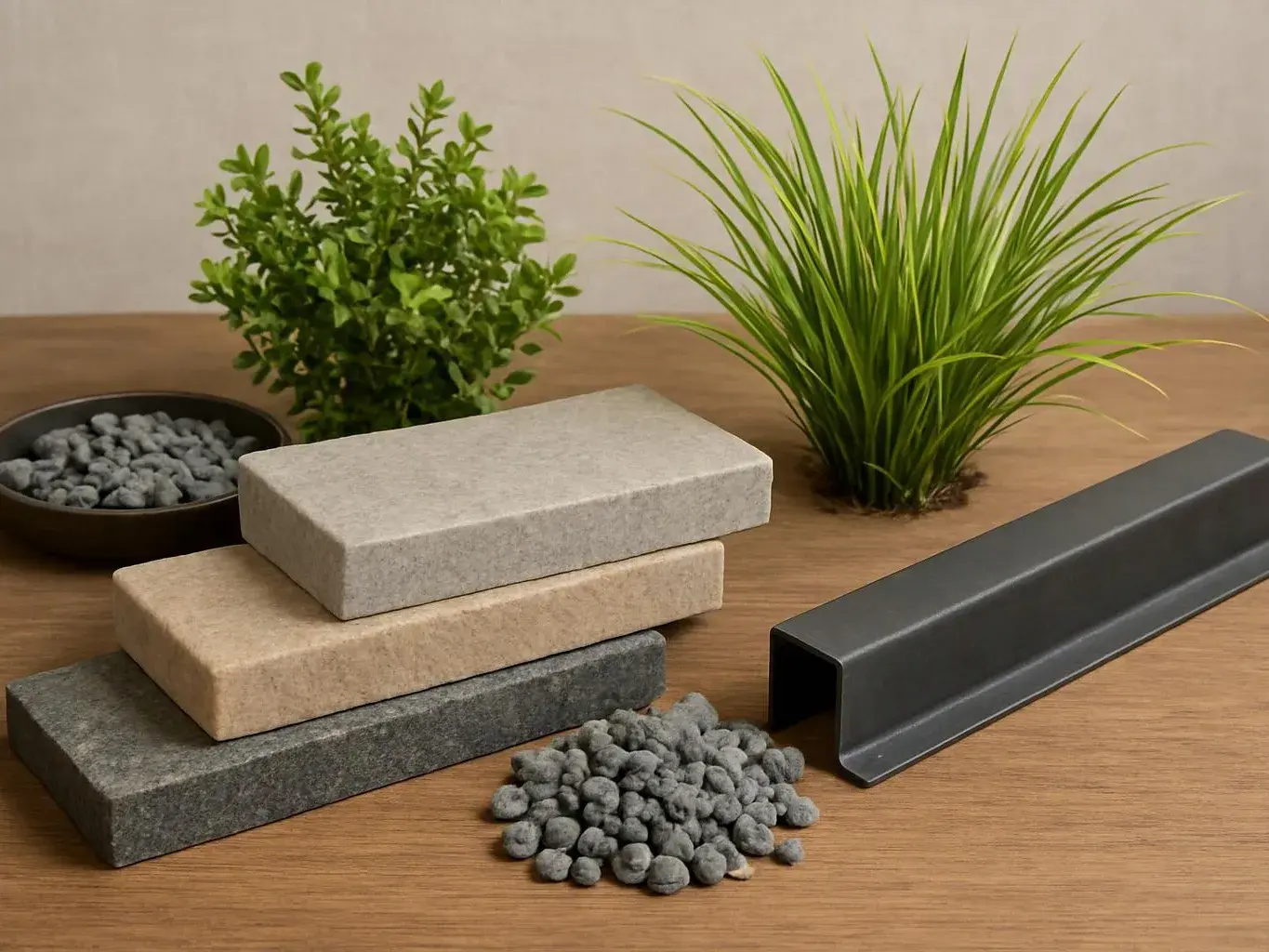
Our stormwater management design work can guide larger solutions. We may also connect the findings to Landscape Grading Design, rain gardens, permeable surfaces, or other green infrastructure.
We explain which design response fits the runoff source and the amount of soil displacement we observe. A quote can cover site assessment, grading changes, drainage features, planting, soil stabilization, or related work included in the plan.
When Can You Monitor Runoff Yourself, and When Should We Assess It?
You can document visible changes safely, while we assess grading, flow paths, and design options that address recurring soil loss.
DIY observation works well for recording ruts, muddy runoff, moved mulch, bare soil, and standing water. Avoid entering fast-moving water or unstable slopes.
Our team should assess recurring runoff problems when erosion reaches roots, structures, walkways, or drainage outlets. We also help when the source is unclear or several flow paths meet.
| Factor | What you can do yourself | What we do |
|---|---|---|
| Visible changes | Record soil loss, ruts, sediment, and mulch movement from safe areas. | Connect each clue to the likely runoff source and route. |
| Landscape grading | Notice where water flows or pools after rain. | Assess slope, low areas, and grading changes that may improve flow. |
| Drainage design | Check for obvious blocked outlets from a safe location. | Plan drainage features and discharge paths for the site. |
| Erosion control | Track whether bare areas or root exposure grow after rain. | Recommend soil stabilization, planting, grading, or green infrastructure. |
What Does the Runoff Assessment and Design Process Include?
Our process connects observed erosion to site conditions, design needs, and the work included in your quote.
We begin with site observation and identify the likely runoff source. Our team then follows the drainage path across slopes, planting beds, lawns, and hard surfaces.
Next, we review landscape grading, stormwater management needs, soil stability, and possible green infrastructure. Design recommendations may include grading changes, drainage improvements, soil protection, or planting adjustments.
The quote scope explains the planned work and the site conditions that shape it. Contact us for a quote based on your landscape and runoff pattern.
Author: Adam Gorski
Questions About Runoff and Soil Loss
Can landscape erosion get worse after each storm?
Yes, landscape erosion can worsen after each storm when the same runoff path keeps carrying soil away. New ruts, exposed roots, and sediment deposits show that the flow pattern remains active.
How can I tell whether a drainage problem is causing soil loss?
A drainage problem is likely causing soil loss when muddy water, ruts, or mulch movement follow a repeat route after rain. We assess the runoff source, slope, soil condition, and drainage outlet to confirm the pattern.
Where should runoff go when a yard slopes toward a sidewalk?
Runoff should follow a planned drainage path that limits soil loss and keeps water from carrying mulch onto the sidewalk. Our team assesses grading, discharge points, and green infrastructure options for the site.
Can new landscaping stop soil from washing away?
Yes, new landscaping can help control soil loss when the design addresses the runoff path and soil stability. Planting, grading, drainage, and permeable surfaces may work together to reduce runoff damage.
Contact us to discuss recurring ruts, exposed roots, muddy runoff, or moved mulch.
Request a runoff assessment