Landscape Design Styles and the Elements That Shape Them
Types of landscape design include formal, naturalistic, modern, cottage, Mediterranean, and other styles shaped by layout, plants, materials, and outdoor use. At LandscaperBellevuewa.com, we use these elements to connect your preferred style with a practical garden plan.
Written by Adam Gorski · 29 years of local experience
Request an EstimateWhat Are the Main Types of Landscape Design?
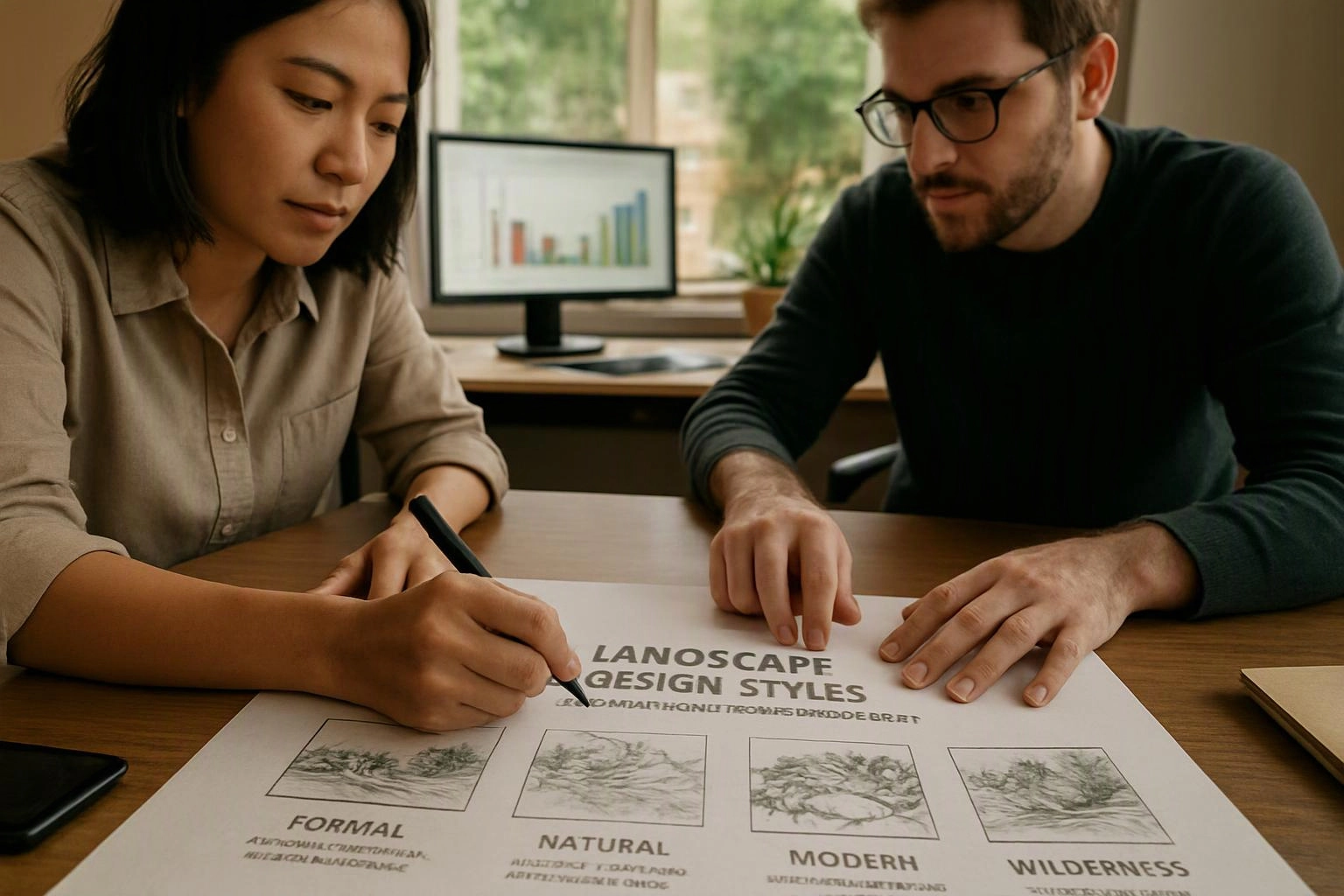
Landscape design types are visual and functional approaches that guide plant choices, layout, materials, and maintenance. Each style creates a different relationship between the home, garden beds, paths, and outdoor living areas.
We compare the style with the site before developing a plan. The right choice should fit the home, site conditions, and way you want to use the space.
| Landscape style | Common design direction |
|---|---|
| Formal landscape design | Symmetry, geometry, repeated planting, and defined edges |
| Naturalistic landscape design | Organic forms, informal planting, native plants, and layered vegetation |
| Modern landscape design | Clean lines, open space, simple planting, and clear material changes |
| Cottage garden design | Relaxed planting, seasonal color, ornamental plants, and informal paths |
| Mediterranean landscape design | Warm materials, textured planting, courtyards, and water-wise choices |
| Japanese garden design | Careful balance, natural stone, quiet focal points, and controlled views |
What Is Formal Landscape Design?
Formal landscape design is a garden approach that uses symmetry, geometry, and repeated visual patterns. Geometric beds, defined edges, and repeated planting create a clear sense of order.
We use balance and proportion to connect paths, lawns, planting beds, and the home. This style suits people who prefer a structured appearance and consistent maintenance.
What Is Naturalistic Landscape Design?
Naturalistic landscape design is a garden approach that uses organic shapes, informal planting, and layered vegetation. Native plants, shrubs, trees, and ground cover help the garden feel connected to its setting.
We vary plant height, texture, and seasonal interest to create a softer view. Naturalistic design still needs planning, even when the finished garden looks relaxed.
How Do Hardscape and Softscape Shape a Landscape Style?
Hardscape is the built part of a landscape, while softscape is the living plant material that fills and frames it. Their relationship gives a garden its structure, movement, and character.
Hardscape can include patios, walkways, walls, and retaining elements. Softscape includes trees, shrubs, perennials, and other plants that soften edges and add color or privacy.
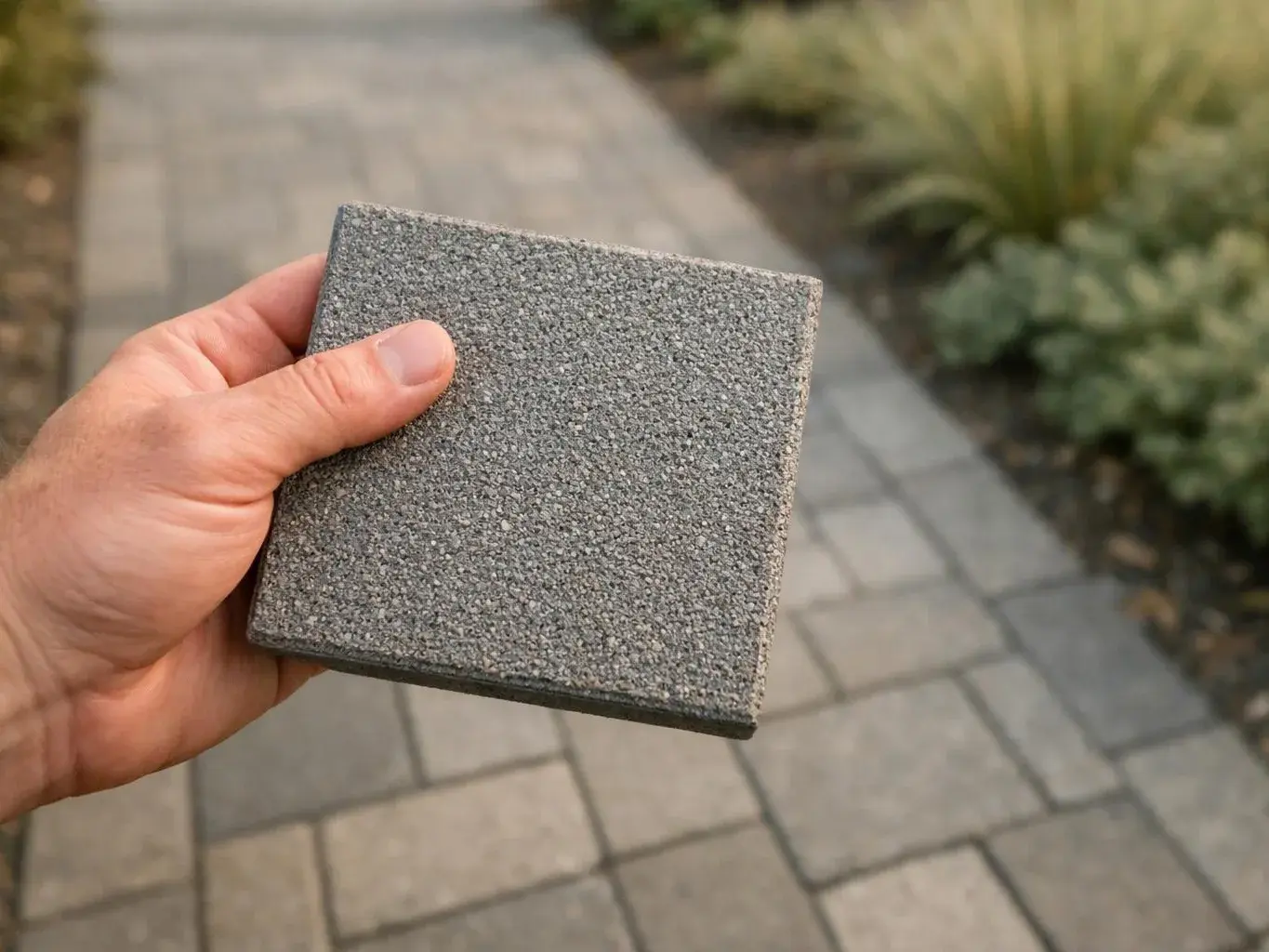
We match hardscape materials with the planting design. Natural stone may support a naturalistic garden, while precise pavers may suit a modern or formal plan.
Which Elements Define a Landscape Design Style?
Site layout defines how people move through the garden and how each area relates to the home. We study scale, proportion, sun, drainage, views, and existing features before choosing a style.
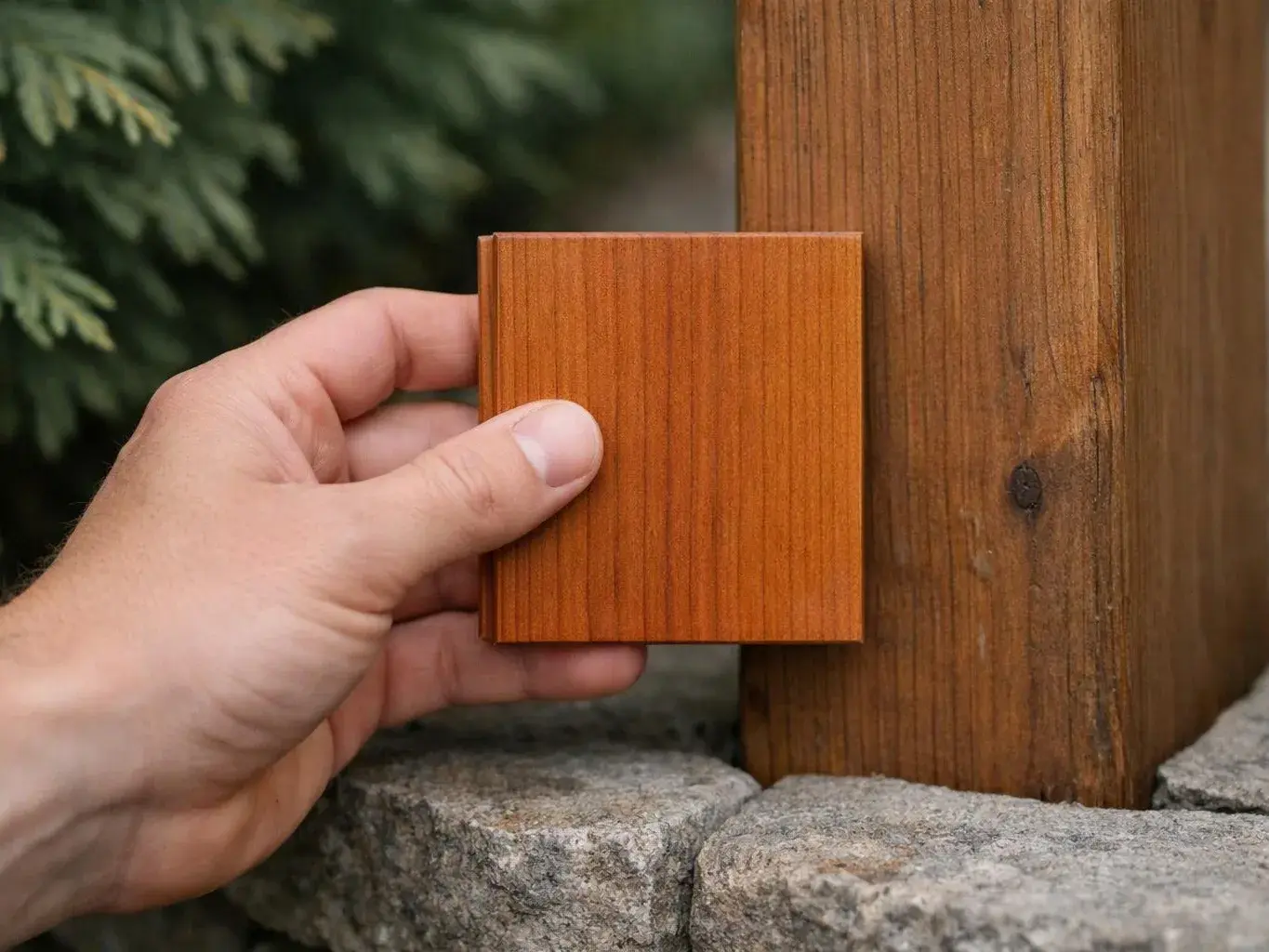
The plant palette sets the garden's color scheme, texture, seasonal color, and evergreen structure. Materials also matter because patios, walls, paths, and borders should support the same visual idea.
A focal point gives the eye a place to rest. A water feature, specimen plant, seating area, sculpture, or strong change in material can serve that role.
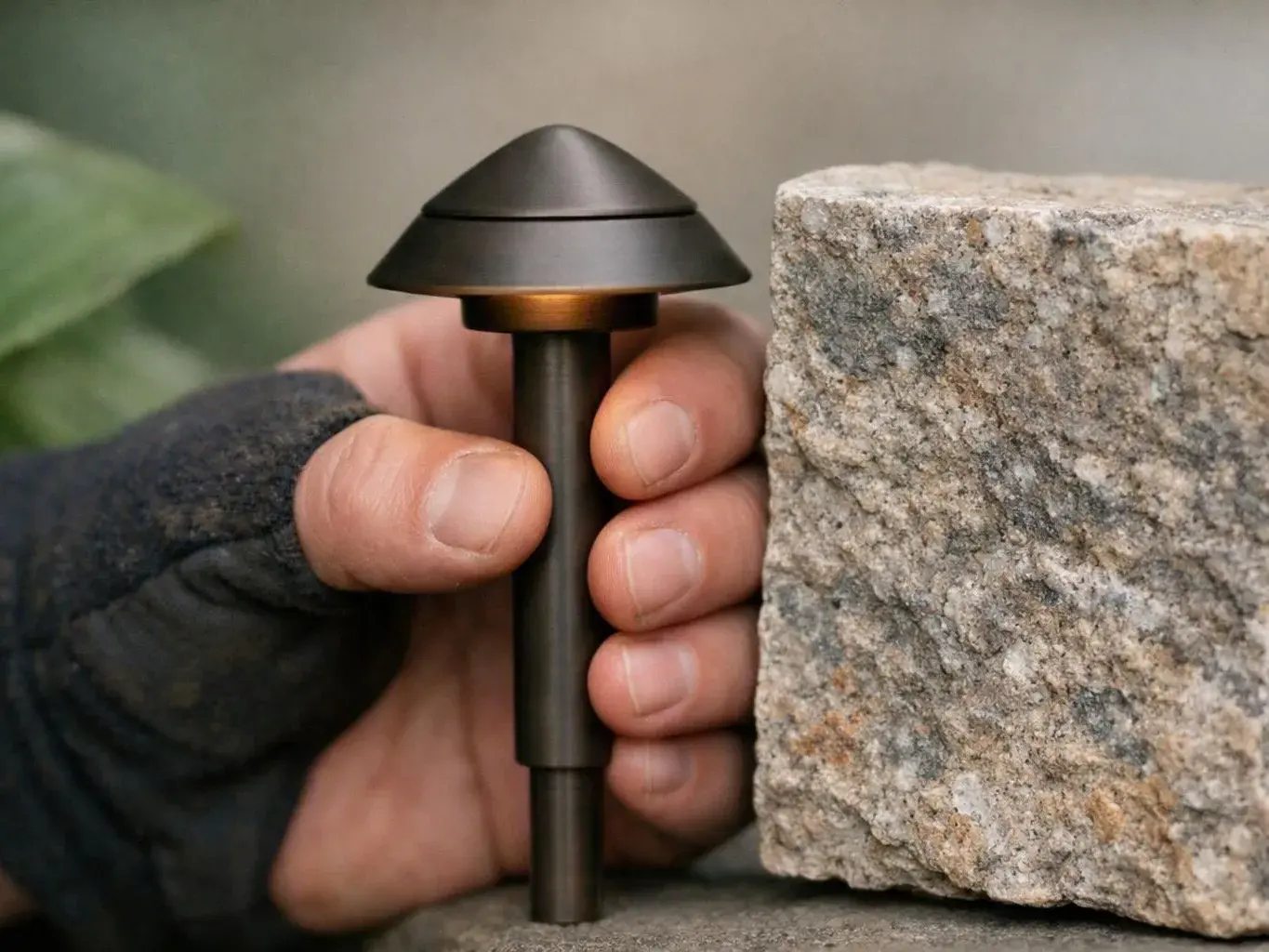
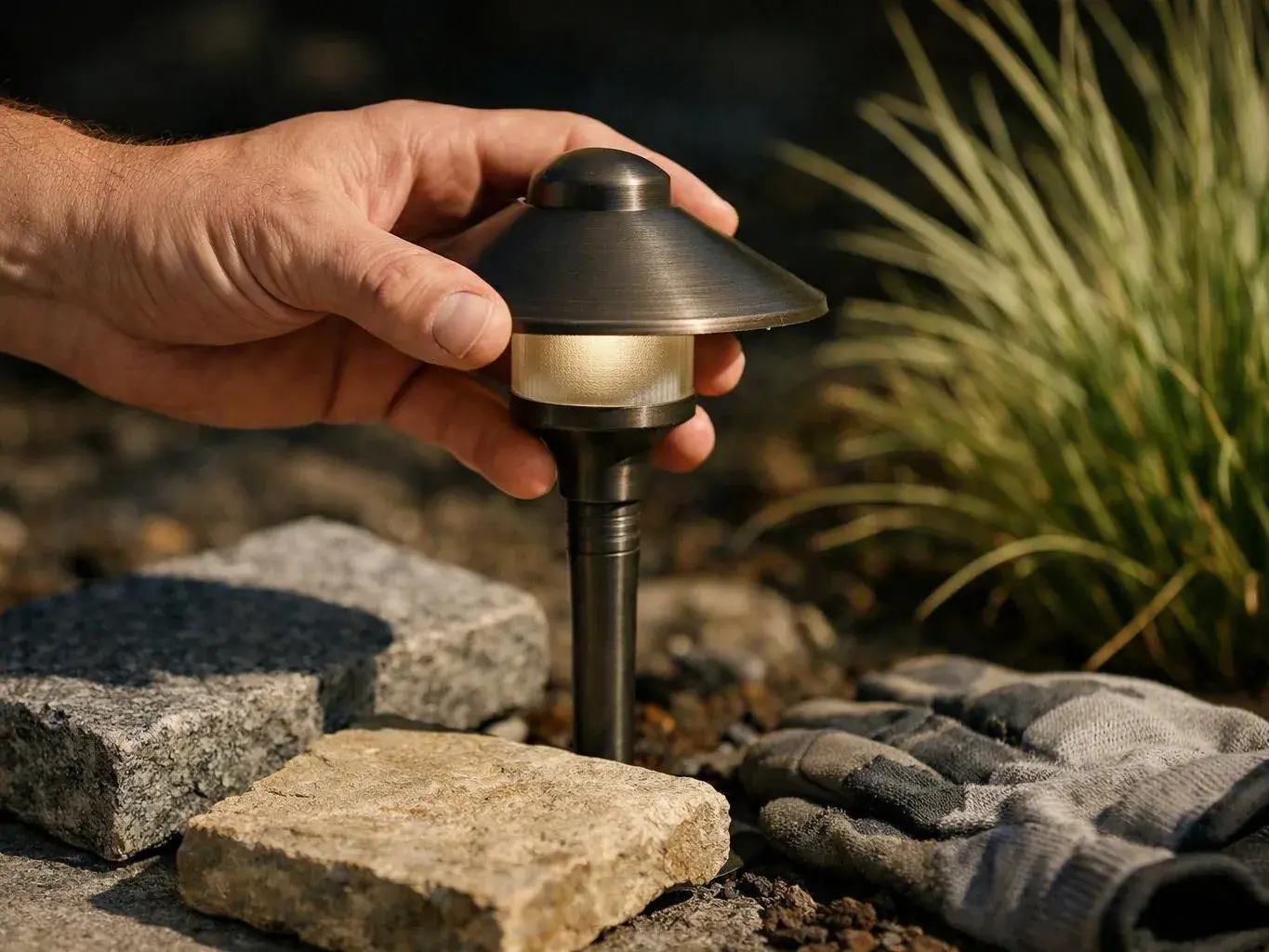
Lighting shapes the garden after dark and supports safe circulation. We place it to show paths, planting, focal points, and outdoor rooms without overwhelming the design.
How Does Outdoor Use Affect Landscape Design Choices?
Outdoor use affects landscape design by setting the needs for circulation, seating, privacy, planting, and maintenance. A garden for entertaining needs a different layout from a quiet space for reading or viewing.
We plan circulation between doors, patios, parking areas, and garden spaces. We also consider access for children, guests, pets, and routine yard care.
Entertaining areas may need flexible seating and clear paths. Play spaces need open areas, while privacy screening can make seating more comfortable.
Maintenance needs guide plant selection, bed shapes, irrigation planning, and access. Our Garden Design process connects these practical needs with the style you prefer.
How Do We Turn a Preferred Style Into a Complete Landscape Plan?
We turn a preferred style into a complete landscape plan by checking the site, setting goals, and coordinating every design element. Each step helps the finished garden look intentional and work well.
Our team reviews the whole plan for balance, access, maintenance, and long-term use. The result should express your preferred garden style without ignoring the site's limits.
How Can You Choose the Right Landscape Design Style?
The right landscape design style fits the home, site conditions, desired activities, plant preferences, and maintenance expectations. Use the points below to narrow the direction before design work begins.
We help connect these choices with a practical garden plan. Our team can explain how each design direction affects planting, materials, use, and ongoing maintenance.
Questions About Landscape Design Styles
Can different landscape design styles be combined?
Yes, different landscape design styles can be combined when the layout, materials, and plant palette share a clear connection. We may use a formal entry with a more naturalistic backyard, but transitions should feel planned.
How do I match a landscape style to my home's architecture?
Match a landscape style to your home's architecture by repeating its lines, materials, scale, and level of formality. We review the exterior before selecting paths, patios, planting structure, and focal points.
What landscape style works best for low-maintenance planting?
single landscape style guarantees low-maintenance planting because care depends on plant selection, site conditions, irrigation, and layout. We focus on suitable plants, manageable bed shapes, durable materials, and practical access.
How do site conditions affect landscape design choices?
Site conditions affect landscape design choices by limiting suitable plants, materials, drainage solutions, and outdoor layouts. We check light, soil, grades, moisture, wind, access, and existing vegetation before finalizing the plan.
Author: Adam Gorski
Our team can discuss your preferred landscape style, site needs, and complete design goals.