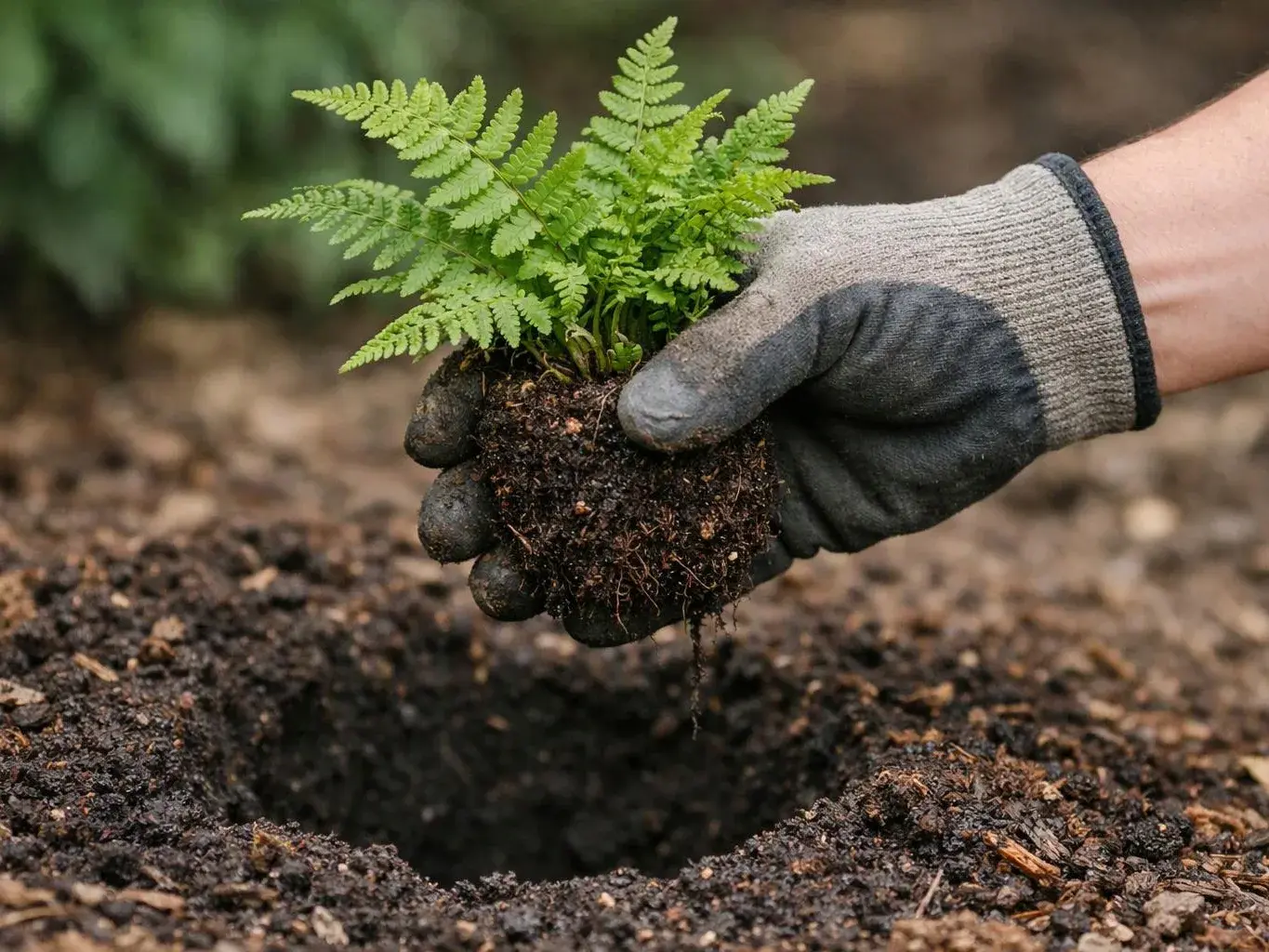
Why Patio Pavers Sink, Shift, or Become Uneven
Patio pavers sink, shift, or become uneven when the soil, base, drainage, or edge restraints cannot support them. LandscaperBellevuewa.com checks the surface, underlying layers, water flow, and grading before recommending a repair or design solution.
Written by Adam Gorski · 29 years of local experience
Request an Estimate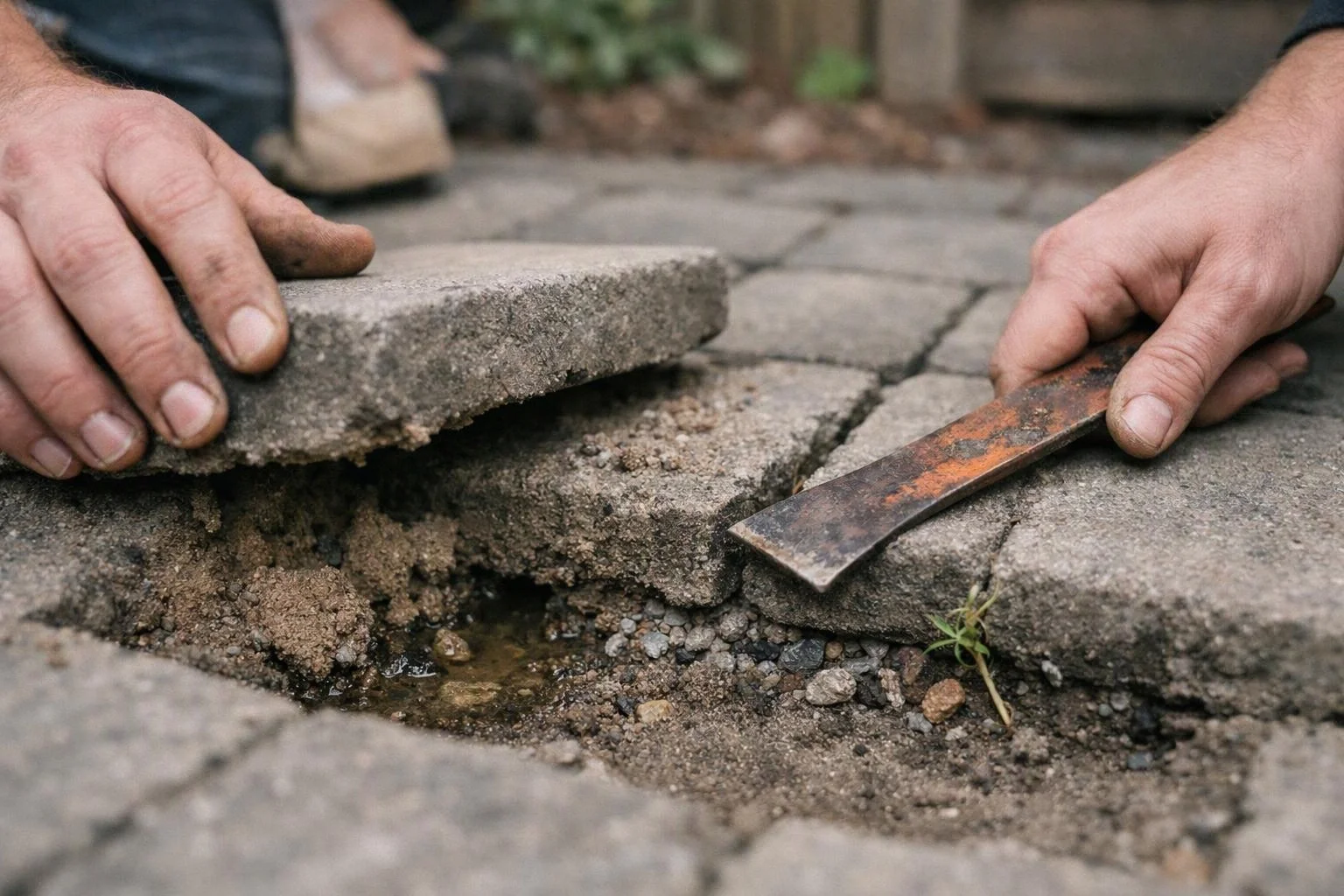
What Causes Patio Pavers to Sink or Shift?
Patio pavers sink or shift when the supporting soil, base, drainage, or edge restraints fail.
A paver patio depends on more than its visible surface. Compacted soil supports the paver base, while bedding sand helps place each paver evenly. Poor compaction can leave weak areas that settle under foot traffic, furniture, or water.
Settlement happens when the base or subgrade loses support. Soil movement can also lift or separate pavers. Soil expansion causes heaving when wet ground swells, while dry or eroded soil can leave low spots.
Strong edge restraints help keep pavers from spreading outward. When an edge fails, paver joints can open and the surface may shift toward the unsupported side.
Warning Signs of a Sinking or Uneven Patio
A sinking or uneven patio often shows small surface changes before movement becomes severe. Walk the area carefully and look for patterns that point to settlement, drainage trouble, or edge failure.
One warning sign may have several possible causes. Our team looks for links between the surface, joints, water flow, and surrounding soil.
Why Pavers Become Uneven Near Downspouts
Pavers near a downspout become uneven when concentrated water washes out soil or weakens the base below the patio.
Downspout discharge can create a focused runoff path across or beside the paver patio. Moving water may cause soil erosion, carry bedding sand away, or create a base washout.
Surface runoff can also collect where the patio slope meets a low part of the yard. Water pooling keeps soil saturated, which reduces support and encourages settlement.
Our team checks the downspout outlet, drainage path, patio slope, and nearby ground. The right correction may involve redirecting water or changing the drainage layout.
Can Poor Yard Grading Cause Pavers to Shift?
Yes, poor yard grading can cause pavers to shift when runoff moves toward the patio or keeps its base soil saturated.
Yard grading controls how surface drainage moves across a property. When the grade directs stormwater runoff toward a patio, water can collect beside the edge or beneath the base.
Soil saturation weakens support and may increase soil movement. Retaining conditions can also affect drainage when soil or water presses against the patio edge.
Our team reviews the grade around the patio and traces the runoff path. A grade correction may be needed when the surface problem comes from the wider yard.
What to Check Before Repairing a Sunken Patio
A sunken patio needs a cause check before pavers are lifted or reset. Surface repairs may not last when the base, soil, or drainage problem remains below.
You can safely observe the surface and water flow from the ground. Our team checks hidden layers when the cause cannot be confirmed visually.
DIY Checks Compared With Our Patio Assessment
A DIY check can identify visible symptoms, while our patio assessment connects those symptoms to the supporting layers. The comparison below shows where a surface review ends and deeper evaluation begins.
| Factor | What you can do yourself | What we do |
|---|---|---|
| Surface inspection | Look for low spots, movement, open joints, and trip hazards. | Map visible movement and relate it to nearby edges, slopes, and water flow. |
| Drainage inspection | Watch where rainwater travels and where it pools. | Trace downspout discharge, surface runoff, and possible washout paths. |
| Paver removal | Avoid removing pavers when the cause or support is unclear. | Lift affected pavers as needed to inspect the layers below. |
| Base evaluation | Note signs of settlement or water damage at exposed edges. | Evaluate base aggregate, bedding sand, compacted soil, and subgrade support. |
| Grading review | Observe whether water moves toward or away from the patio. | Review site grading and recommend a grade correction when needed. |
| Patio design | Record how the current layout affects access and water movement. | Connect repair needs with a practical Patio Design solution. |
Our assessment helps separate a local paver repair from a wider drainage or grading issue. That distinction guides the repair plan and helps protect the finished surface.
How We Address Sinking, Shifting, and Uneven Pavers
We address uneven pavers by correcting the failed support, water path, or edge condition beneath the surface.
Our crew can lift affected pavers and inspect the settled base. We then correct weak material, improve soil support, and restore a stable bedding layer.
Edge restraint repair helps keep the rebuilt area from spreading. Drainage correction may include changing how water reaches or leaves the patio.
We reset pavers to match the surrounding surface and review the finished grade. The repair approach depends on whether the cause is settlement, heaving, soil erosion, or a drainage problem.
When a Patio Needs Design or Grading Changes
A patio needs design or grading changes when repeated movement comes from the wider site, not one isolated paver.
Landscape Grading Design can guide runoff away from the patio and reduce soil saturation. Stormwater Management Design can address concentrated flow from roofs, hardscape, or sloped ground.
Walkway Design may be useful when shifting pavers connect to an access route or create a trip hazard. A complete Patio Design can also improve drainage layout, transitions, and edge support.
Our team reviews the patio and surrounding landscape as one system. We explain which correction fits the site and what the quote includes before work begins.
Questions About Uneven Patio Pavers
Can rain cause patio pavers to sink?
Yes, rain can cause patio pavers to sink when water erodes soil, washes out the base, or keeps the ground saturated.
Do tree roots make patio pavers uneven?
Yes, tree roots can make patio pavers uneven by lifting sections of the surface or changing soil support below it.
Can I replace only the sunken pavers?
You can replace only the sunken pavers when the surrounding base, drainage, soil, and edge restraints remain stable.
Why do paver joints keep opening after repair?
Paver joints keep opening when movement, edge failure, soil erosion, or water flow continues below the repaired area.
Our team can review the paver surface, base, drainage, and grading together. Request a quote through our contact page so the repair scope reflects the actual cause.
Author: Adam Gorski